How Much Does an Ad on Instagram Cost?
Blog

Is there a fixed price for an ad on Instagram?
No. Instagram does not have one universal advertising price. Ads are generally bought through Meta’s advertising system, where the amount you pay changes according to the audience, objective, placements, creative, timing and competition involved in the campaign. Two businesses can advertise on Instagram at the same time and see very different costs.
This is why a simple answer such as “an Instagram ad costs a certain amount per click” is rarely useful. A click price from another business may come from a different country, offer, audience or campaign goal. It also tells you nothing about whether those clicks became qualified conversations or customers.
You normally control how much you are willing to spend by setting a budget. The platform then uses that budget to pursue the result connected to your campaign objective. Your final cost can be discussed through several measurements:
- Cost per impression: what it costs to show the ad.
- Cost per click: what you spend for each recorded click.
- Cost per conversation or lead: what you spend to create a meaningful response.
- Cost per booked call: ad spend divided by the calls attributed to the campaign.
- Customer acquisition cost: the total relevant acquisition spend divided by the customers created.
The first two measurements describe media activity. The others get closer to the result a coach, creator or digital-product business actually needs.
If your Instagram ads already bring people into the DMs but you cannot see which conversations become qualified, try Mochi free for 7 days and organize the demand you are already paying to create.
What changes the price of Instagram advertising?
Instagram ad pricing moves because every campaign enters a different situation. The following factors can change both the amount you pay and the value you receive.
Audience competition
If many advertisers want to reach the same people, gaining their attention can become more expensive. A narrow audience is not automatically cheaper, and a broad audience is not automatically better. The useful question is whether the people reached are plausible customers for the offer.
Campaign objective
A campaign built to generate awareness is asking for a different outcome from one intended to create messages, leads or sales. Compare campaigns against the result they were designed to produce. A low-cost view is not necessarily valuable when the business needs qualified calls.
Creative and message
The image, video, opening line and offer determine whether the right person stops and responds. Creative that attracts curiosity without matching the offer may produce activity but weak conversations. Strong creative makes the problem and next step clear enough to filter some people before they enter the sales process.
Offer and landing experience
The ad is only one step. A confusing profile, landing page or DM opener can lose somebody after the platform has already charged you to reach them. The real cost rises whenever attention fails to become a useful next action.
Timing, placements and market conditions
Competition and user behavior change over time. Costs can also differ across placements and formats. Treat any benchmark as context, not a guaranteed quote for your campaign.
The process after the response
This is the factor many teams overlook. Imagine two campaigns create the same number of DM conversations for the same spend. In the first campaign, replies are handled quickly, qualified people are found and follow-ups happen. In the second, the team works from the newest message downward and forgets interested leads. The advertising price may look identical, but the business result is not.
The ad does not become profitable when somebody clicks. It becomes profitable when enough of the right people move through the rest of the sales journey.
How to set an Instagram ad budget that makes sense
A useful budget begins with the economics of the offer rather than a random daily amount or somebody else’s benchmark. Work backward from the outcome your business needs.
- Choose the final result. Decide whether the campaign should create direct customers, qualified booked calls or another clearly defined action.
- Define a qualified lead. Write down what makes a person worth the team’s attention. For a coaching offer, that might include the right problem, a genuine interest in solving it and a reasonable fit for the offer.
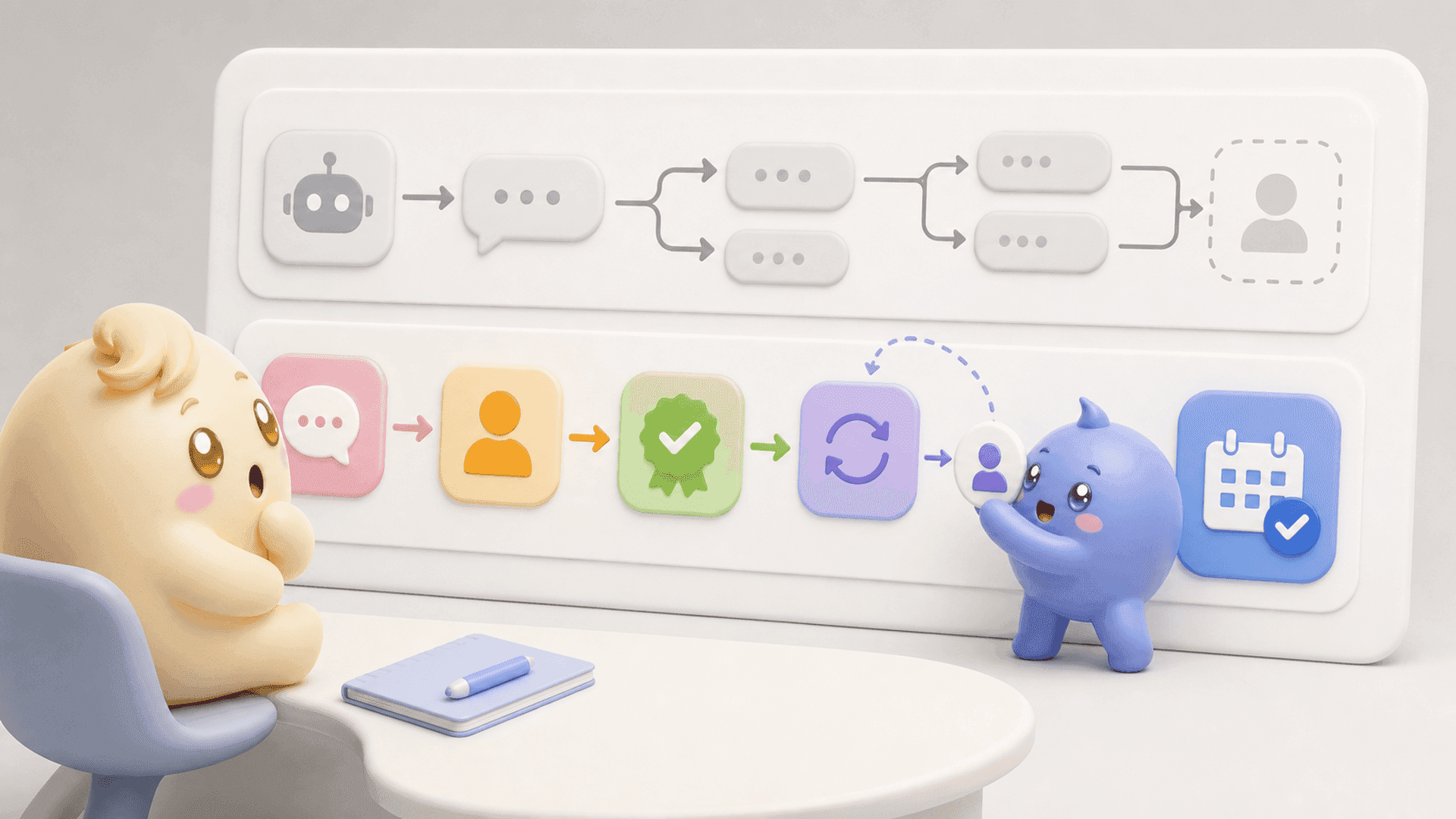
- Map the full journey. Record the stages between the ad and the sale, such as new conversation, in contact, qualified, calendar link sent, link clicked, booked call and customer.
- Select a test budget you can evaluate responsibly. The budget should be large enough to produce useful observations without depending on immediate profit. Avoid treating a very small sample as a final verdict.
- Change one major variable at a time. If you change the audience, creative, offer and DM script together, you will not know what caused the result.
- Review quality as well as cost. Read the conversations. A more expensive lead can still be the better lead if more of those people qualify and buy.
You can also calculate the maximum amount the business can reasonably pay backward from its own numbers. Start with the value of a customer, account for the portion of booked calls that become customers and then account for the portion of qualified conversations that book. Use your own verified figures rather than a generic internet benchmark.
For example, if a campaign creates plenty of conversations but few people qualify, the problem may be the audience, creative or offer. If qualified people appear but do not receive the calendar link, the ad may be doing its job while the sales process is leaking later. Those require different fixes.
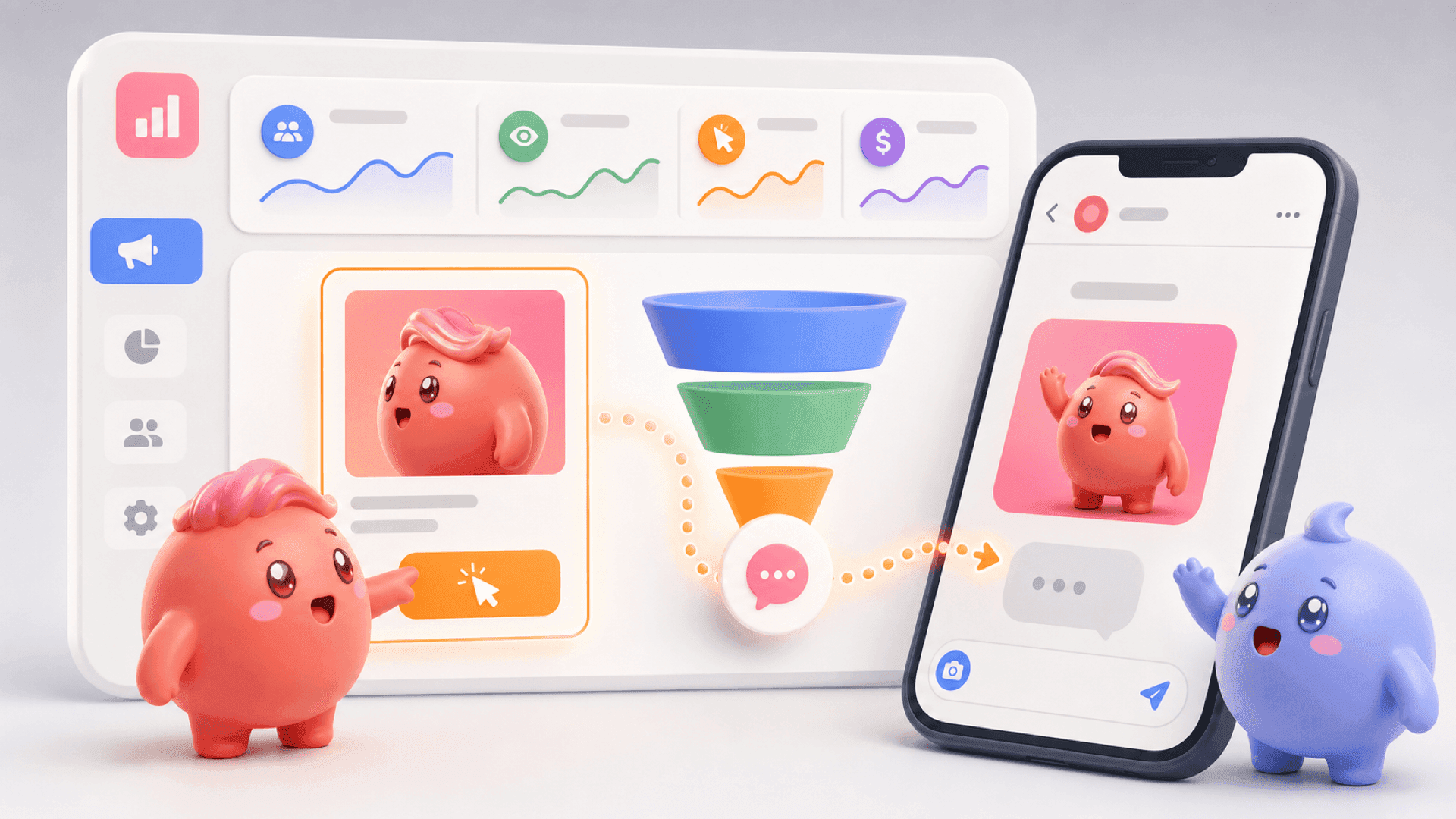
Mochi connects content and sources to the conversations, qualified leads, booked calls and customers they create. Custom Funnels show where people stop moving, while Calendar Link Tracking helps the team see who received, opened or booked through the link. If you want to judge ad spend by what happens after the first DM, start a 7-day free trial of Mochi.
How to tell whether your Instagram ad price is good
A “good” price is one that supports a profitable and repeatable customer journey. Cheap activity is not enough. Use a simple scorecard that connects the ad to the sales process:
- How many new conversations did the campaign create?
- How many of those people replied and stayed active?
- How many became qualified leads?
- How many qualified people received the next step?
- How many booked a call or bought?
- Where did the largest group stop moving?
- Which creative or source produced the strongest conversations?
These questions reveal whether you have an ad problem or a DM sales problem. If the ad attracts the wrong people, improve the targeting, promise or creative. If it attracts qualified people who disappear inside the inbox, fix priority, ownership and follow-up. If people receive the calendar link but do not book, inspect that final step rather than buying more traffic immediately.
For businesses selling through Instagram DMs, Content Attribution can connect a source to the leads, booked calls and customers it creates. The DM Sales Pipeline shows movement across the whole business, and Lead Filters help the team find qualified conversations or follow-ups without searching the inbox manually. These workflows make it easier to separate expensive advertising from an expensive leak after the ad.
The practical answer to “What is the price of an ad on Instagram?” is therefore: your media cost is variable, but the number that matters is the cost of producing a real business outcome. Set a controlled budget, track the complete journey and improve the stage where good people are actually disappearing.
If you want to see what happens after paid attention enters your Instagram inbox, try Mochi free for 7 days. Use it with your real conversations to identify qualified people, follow up and see which sources are creating booked calls or customers.