Instagram Marketing Is Broken: Why Your DMs Leak Sales and How to Fix It
Blog

The missing part of Instagram marketing
When most people talk about Instagram marketing, they talk about Reels, followers, engagement rates, and Story views. They talk about getting more comments and more DMs. That is where most advice stops.
But for coaches, creators, and digital product businesses, the DMs are not the end of the marketing funnel. They are where the actual selling happens. Somebody comments a keyword, replies to a Story, or clicks an ad. A conversation starts. Your team asks questions, sees if the person is a good fit, and tries to turn them into a booked call or a customer.
That means the DMs are one of your most important sales channels. And yet most businesses treat them like a normal Instagram inbox.
Here is the uncomfortable question: out of the people already messaging you, how many actually book a call or buy? Most business owners cannot answer that. They know the DMs come in. They know a few calls get booked. But they do not know what happens to the other 90 percent of people who took the time to write.
That silence is where the money leaks.
How the native inbox leaks sales
Instagram was built as a chat app, not as a sales system. It has no concept of a qualified lead, a follow-up, or a booked call. It simply shows the newest message at the top.
Here is how that quietly kills your sales.
Imagine you post a Story and 50 people message you. The Instagram inbox puts the newest message first. So the person who replied 30 seconds ago sits at the top, even if they just sent a compliment. Meanwhile, lower in the inbox, there is somebody who already answered all your questions, confirmed they can afford the offer, and asked to book a call.
That qualified person is waiting. But every new message pushes them further down. The setter works from top to bottom, trying to get through the noise. Eight hours later, the team has been busy all day, but the person who wanted to buy never got a reply.
The same thing happens with context. A lead tells you two weeks ago that they are traveling in Thailand and want to start when they are back. That is a golden piece of information. But in a busy inbox, the next setter only sees the latest message and sends, "Hey, are you still interested?"
That is how a warm lead goes cold. Not because they were not interested, but because the conversation suddenly felt like nobody was listening.
Fix the leak before adding more leads
Once you see the leak, the fix becomes clear. You do not necessarily need more content, more ads, or more leads. You need to stop losing the good people you already have.
That means you need a system that treats your DMs like the sales channel they really are. A few things change when you work this way.
Work from priority, not recency
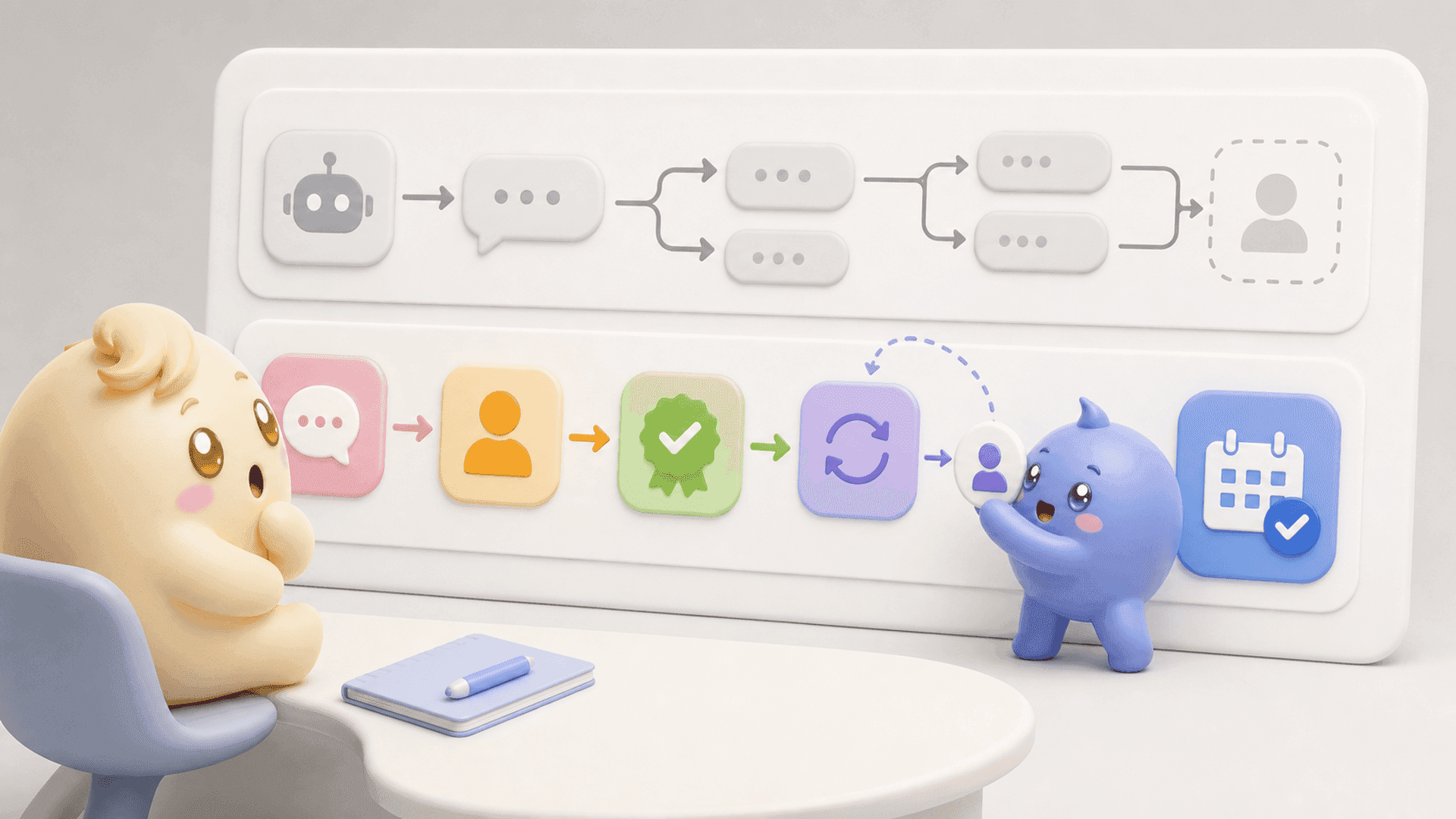
You work from priority, not recency. Qualified leads, people waiting for a follow-up, and people who already received the calendar link get handled first. New messages still get answered, but they no longer hide the conversations that are closest to booking.
Keep the conversation context
You give the team the context they need. Instead of scrolling through weeks of messages, the person replying can instantly see the lead's pain points, what they said before, and what the next step should be. The reply can sound like somebody actually listened.
Track what creates booked calls
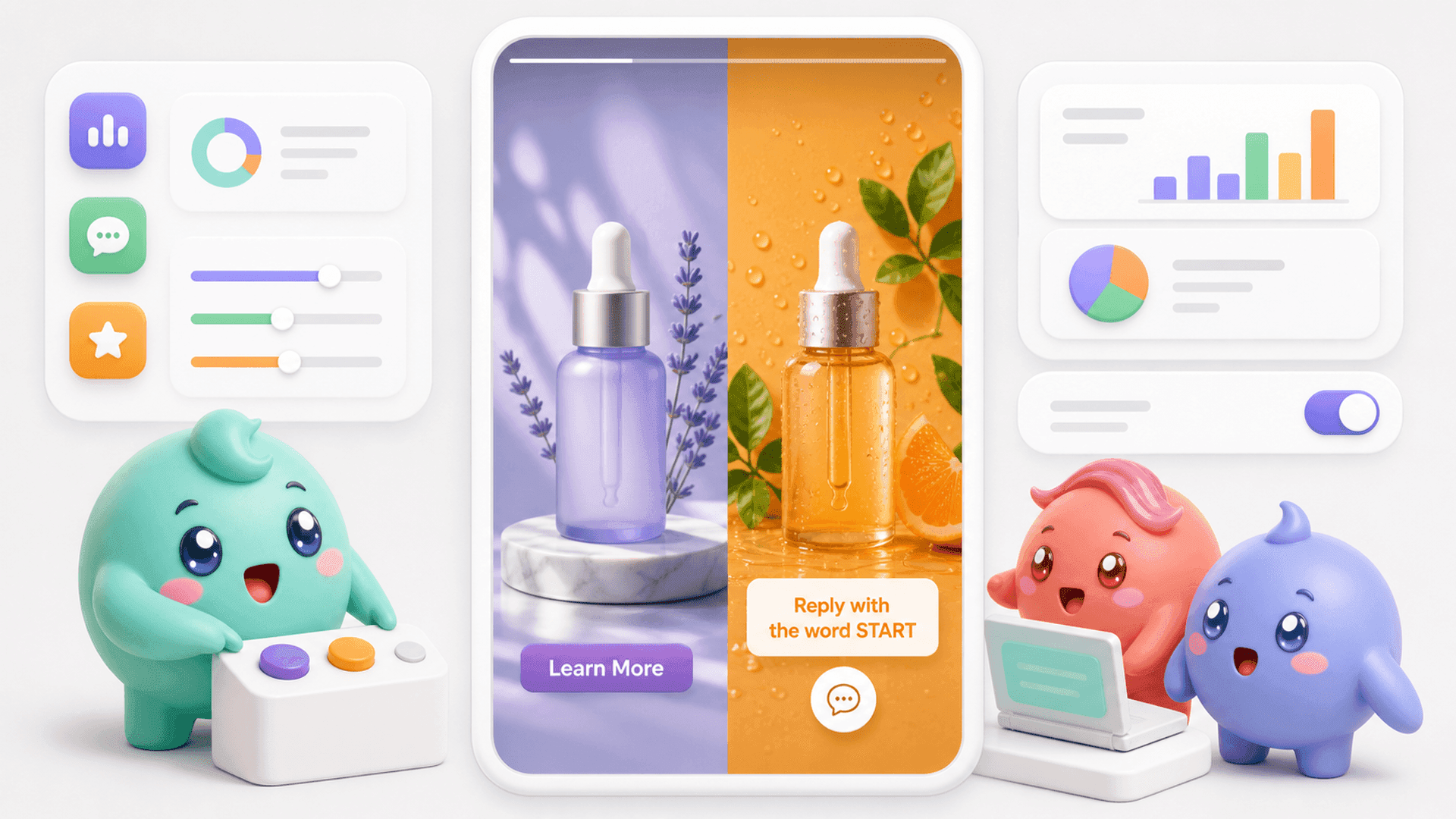
You track what is working. You can see which content brings qualified conversations, which setter is creating booked calls, which script gets replies, and where people disappear before they book. You stop guessing and start deciding based on data.
This is not about automating the human out of the conversation. It is about making the human much better at their job.
A practical way to repair the process
You do not need to overhaul your entire marketing overnight. You just need to start paying attention to the part that actually makes you money.
Here is the process a lot of businesses use to fix their Instagram DM sales:
1. Count the actual numbers
How many new people enter the DMs each week? How many become qualified? How many receive the calendar link? How many book a call? Most businesses can only answer the first and the last question. The middle is where the leak lives.
2. Separate busy from productive
Your setter can send 100 messages and book no calls. Or send 30 messages and book five calls. Do not reward activity. Reward outcomes.
3. Reply with context
If the person already said they are interested, the follow-up should not ask if they are still interested. It should reference what they said. That is the difference between a template and a real conversation.
4. Follow up after the calendar link
That group is closer than a random new DM. They just need a nudge with the right context.
If you want to stop losing qualified conversations under random new messages, you can start a 7-day free trial and organize the leads already inside your Instagram inbox. That is exactly what Mochi is built for. It helps you see who needs attention first, understand what to say, and know what is creating booked calls.