ManyChat vs Chatfuel: Which Is Better for Your Messaging Workflow?
Blog

ManyChat vs Chatfuel: the short answer
ManyChat is a strong choice for creators and businesses that want to start and automate conversations from social activity. Chatfuel is commonly considered by ecommerce businesses and teams focused on WhatsApp automation. Neither is automatically better for every business.
The right decision begins with a more useful question: what must happen before, during and after someone sends a message?
If you only compare chatbot builders, you may focus on triggers, automated replies and flow design. Those things matter, but they cover only the beginning of the customer journey. A coach or creator selling through Instagram still needs to identify serious leads, continue human conversations, follow up, send a calendar or checkout link and understand which conversations become customers.
This distinction matters because an automation can work perfectly while the sales process behind it still loses people. Someone comments a keyword, receives the promised resource and replies. The automation has done its job. If that person then sits beneath newer messages or receives a generic follow-up, the business can still lose the sale.
If that is the problem you are trying to solve, compare ManyChat and Chatfuel as conversation starters, then evaluate the system that will handle what happens next. Try Mochi free for 7 days if you want to organize and manage the Instagram conversations already entering your business.
What ManyChat and Chatfuel are designed to help with
ManyChat
ManyChat is mainly associated with starting and automating conversations. A person can comment a keyword, reply to a Story or take another supported action, and an automation can deliver the first message or guide that person through a flow.
That makes it relevant to creators and marketers who want to connect social engagement with direct messaging. Instead of asking a team member to send the same resource manually to every person, the first interaction can happen while interest is fresh.
Chatfuel
Chatfuel is another messaging automation platform. The supplied search research consistently positions it as a close ManyChat alternative, particularly for ecommerce and WhatsApp-focused use cases. That makes it worth considering when customer conversations, product questions or sales journeys rely heavily on those areas.
Because product plans and capabilities can change, check each provider’s current documentation before choosing. The broad comparison is more dependable than a temporary feature or price list:
- Choose around the channel: identify where customers actually message you.
- Choose around the journey: decide whether you need a simple automated response or a longer path involving qualification, follow-up and a human team.
- Choose around ownership: decide who takes responsibility when automation hands the conversation to a person.
- Choose around measurement: define whether success means messages sent, replies received, qualified leads, booked calls or customers.
Where they overlap
Both products belong in the messaging automation category. Their value begins with handling repeatable interactions quickly and consistently. For example, a business may want to deliver a resource, answer a common question or open a conversation after a social trigger.
The overlap is why a feature checklist alone rarely produces a clear answer. Start with the result your business needs, then work backwards to the messages, channels and handoffs required to create it.
How to choose between ManyChat and Chatfuel
1. Start with your primary channel
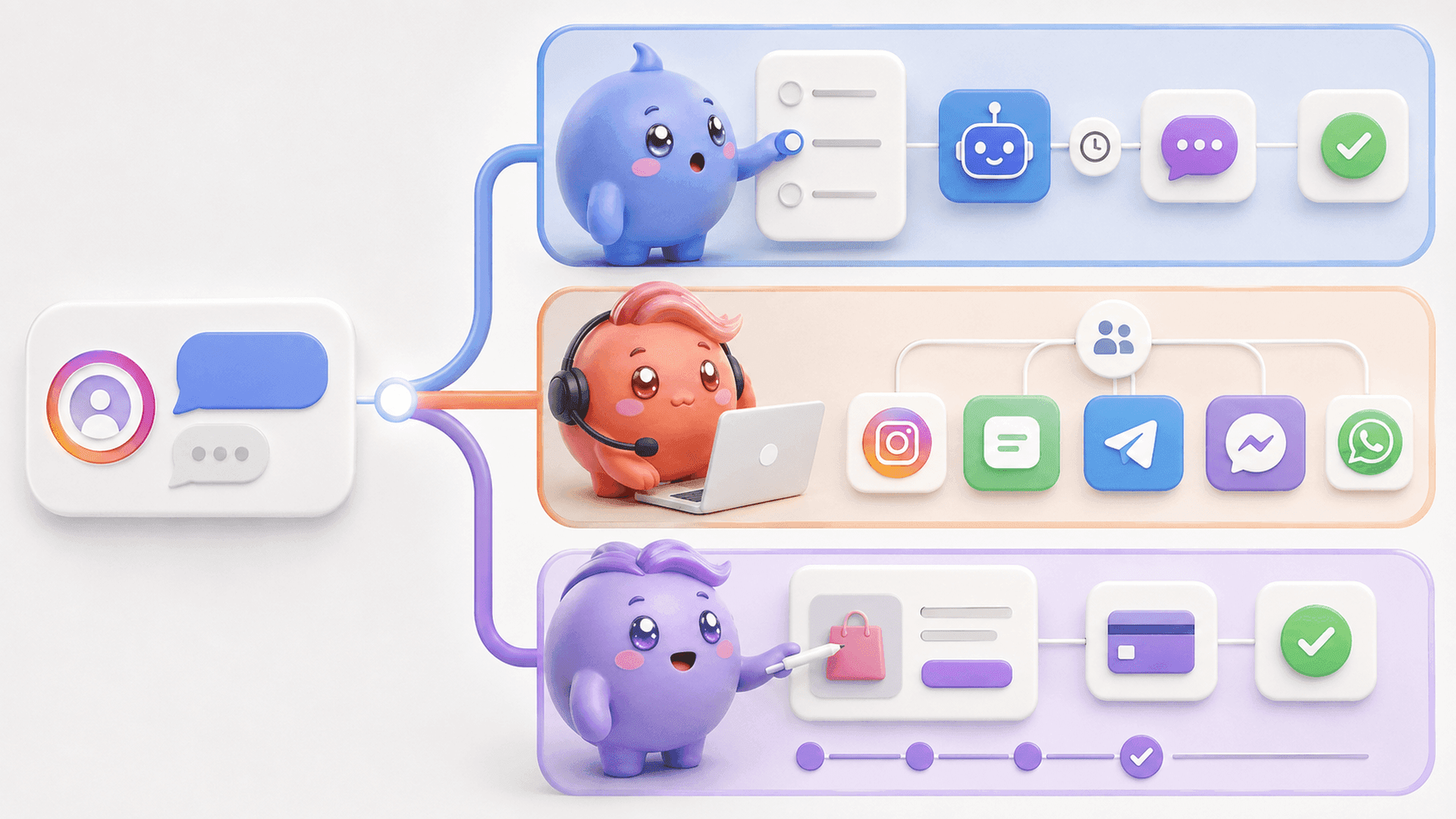
Do not choose a messaging tool because it supports the greatest number of channels on paper. Choose around the channel that already creates meaningful conversations for your business.
If Instagram content is the main source of demand, examine how easily the tool connects a comment, Story response or other supported trigger to a DM. If WhatsApp is central to your ecommerce or customer messaging operation, examine that workflow in detail. Test the complete journey using a real scenario rather than relying on a product overview.
2. Map the handoff to a human
Automation is most useful when the handoff is clear. Decide when a person should take over, what context they will receive and how the team will know that the conversation needs attention.
A useful test is to imagine that 50 people respond to one campaign. Ask:
- Does everyone receive the correct first message?
- Can the team see who replied?
- Can it separate a casual response from a serious lead?
- Does one person clearly own the conversation?
- Can the team find people who need a follow-up tomorrow?
If those questions are unanswered, the business may automate the opening while leaving the important middle of the journey inside a normal inbox.
3. Measure outcomes, not activity
Messages sent and flows completed are useful operational numbers, but they are not always the result. A coaching business may care about qualified booked calls. A digital-product business may care about purchases. An ecommerce business may care about resolved questions or completed orders.
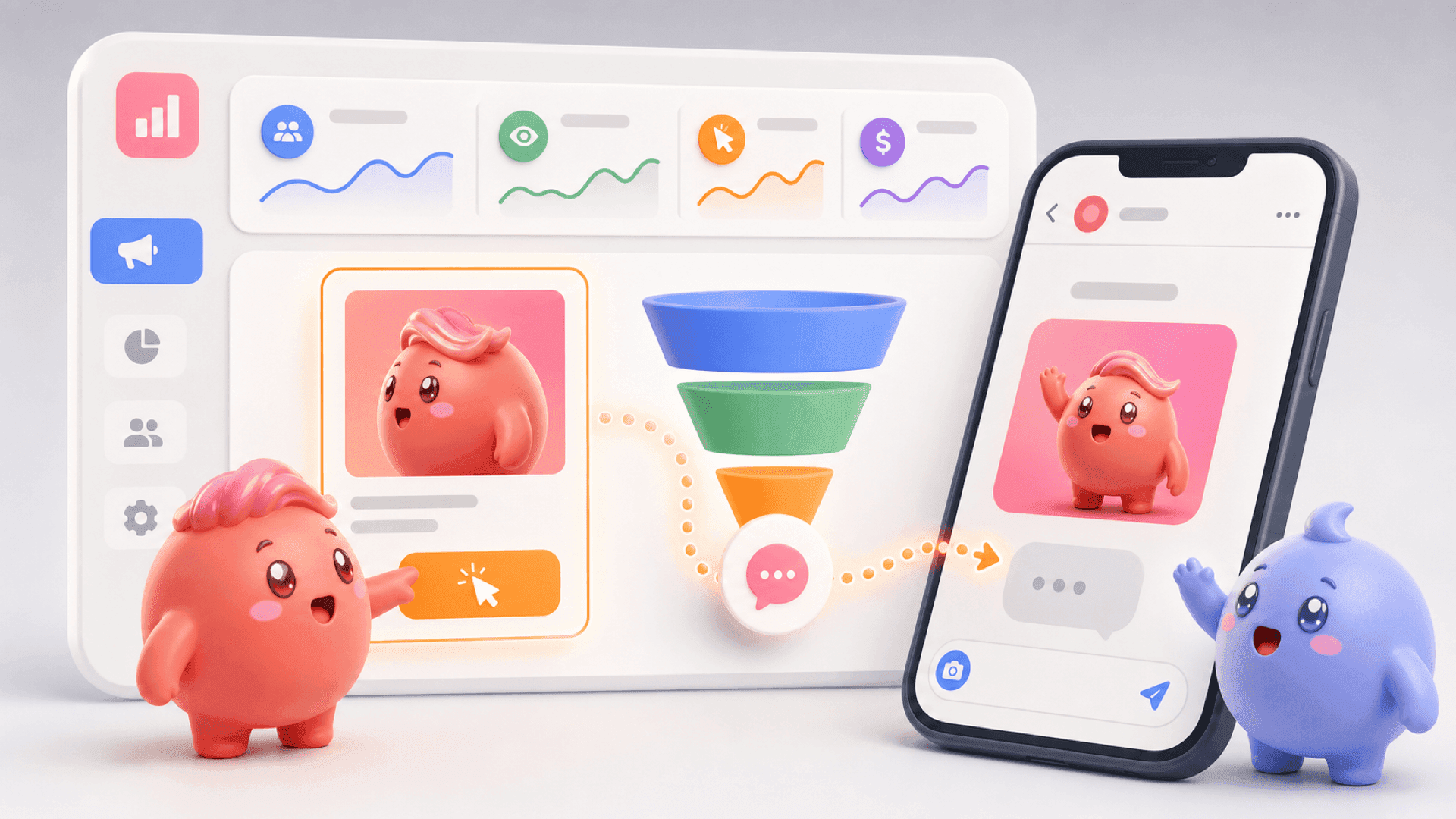
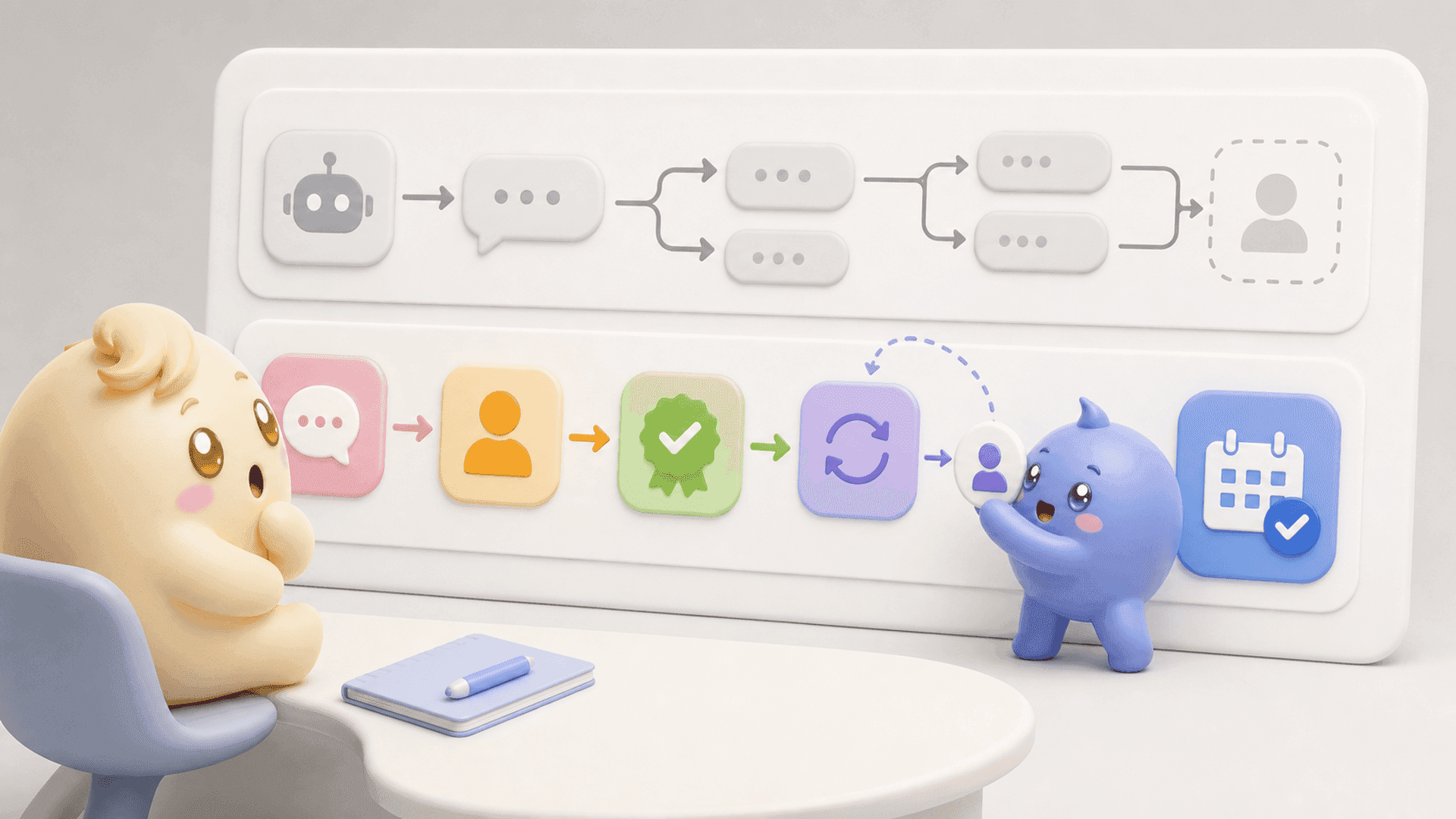
Define the stages that matter before comparing tools. For an Instagram booked-call funnel, those stages might be new conversation, in contact, qualified, calendar link sent, calendar link clicked, booked call and customer. Once the stages are visible, the business can see where people disappear.
4. Test the daily workflow
Build one representative journey in each product. Use the same trigger, message and desired outcome. Then let the person who will operate the system test it.
- Create the opening automation.
- Enter the journey as a lead.
- Reply with a question that requires a human.
- Hand the conversation to a team member.
- Schedule or complete a follow-up.
- Record whether the person reached the desired outcome.
This reveals more than a long feature table. The best tool is the one that fits the real work your team performs every day.
The missing question: what happens after automation?
For coaches, creators and digital-product businesses, Instagram is often more than a place to publish content. It is a sales channel. Content starts conversations, but the business makes money by moving the right people from those conversations to a purchase or a qualified booked call.
This is where comparing only ManyChat and Chatfuel can leave an important gap. Both may be evaluated for how they begin or automate messaging, while the team still needs a system for the conversations that follow.
Mochi is built for that Instagram DM sales operation. It can also start selected conversations, but its clearest role is helping the business manage what happens around and after the first message:
- Priority Inbox and Lead Filters help the team find qualified people, follow-ups and other important conversations before random new messages push them out of sight.
- Scheduled Follow-Ups bring interested people back at the right time, with the option to skip a scheduled message if they reply first.
- Conversation Summaries show the person handling the inbox what the lead already said, so the next reply can use the real context.
- Calendar Link Tracking shows who received the booking link, who opened it and who booked.
- Custom Funnels and the DM Sales Pipeline reveal where conversations stop moving between the first message and the customer.
- Content Attribution connects posts and Stories to the qualified leads, booked calls and customers they create.
A business can continue using existing ManyChat flows and use Mochi to manage what happens after those flows start a conversation. The important decision is not always replacing one automation tool with another. It may be keeping the automation that works and fixing the sales process behind it.
Try Mochi free for 7 days if qualified Instagram conversations are getting buried, forgotten or lost after the first automated message.
Final verdict
Choose ManyChat when its social messaging workflows fit the way your audience starts conversations. Consider Chatfuel when its ecommerce and WhatsApp orientation better matches your customer journey. Verify current channel support, features and pricing directly with both providers before committing.
Whichever tool you choose, do not stop the evaluation at the first automated reply. Map the handoff, follow-up, qualification and final outcome. If Instagram DMs are a serious sales channel, the real question is not only which chatbot sends the first message. It is whether your business can see and improve everything that happens afterward.
If you want a dedicated system for turning more existing Instagram conversations into qualified booked calls or customers, start a 7-day free trial of Mochi.