SMS Instagram: What It Means and How to Manage Instagram Messages for Sales
Blog

Does “SMS Instagram” mean text messaging?
If you searched for SMS Instagram, you may be looking for a way to send someone a message on Instagram. The message feature you want is normally called an Instagram Direct Message, or Instagram DM.
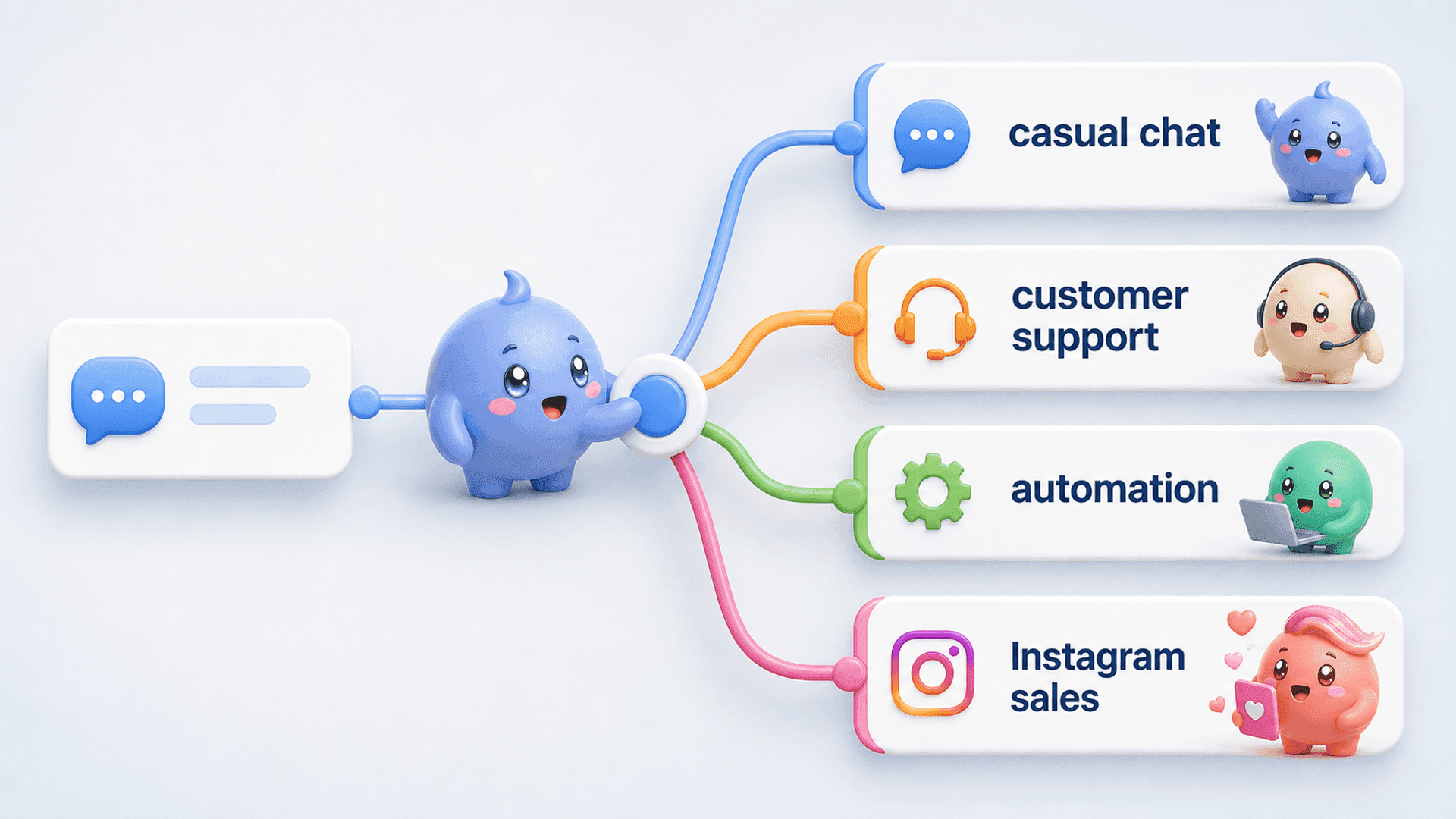
SMS and Instagram DMs can both support one-to-one conversations, but they travel through different channels:
- SMS is sent to a phone number through a mobile network.
- Instagram DMs are sent between Instagram accounts inside the Instagram app or its connected messaging tools.
- Instagram DM automation uses software to start or manage selected Instagram conversations when a supported action occurs.
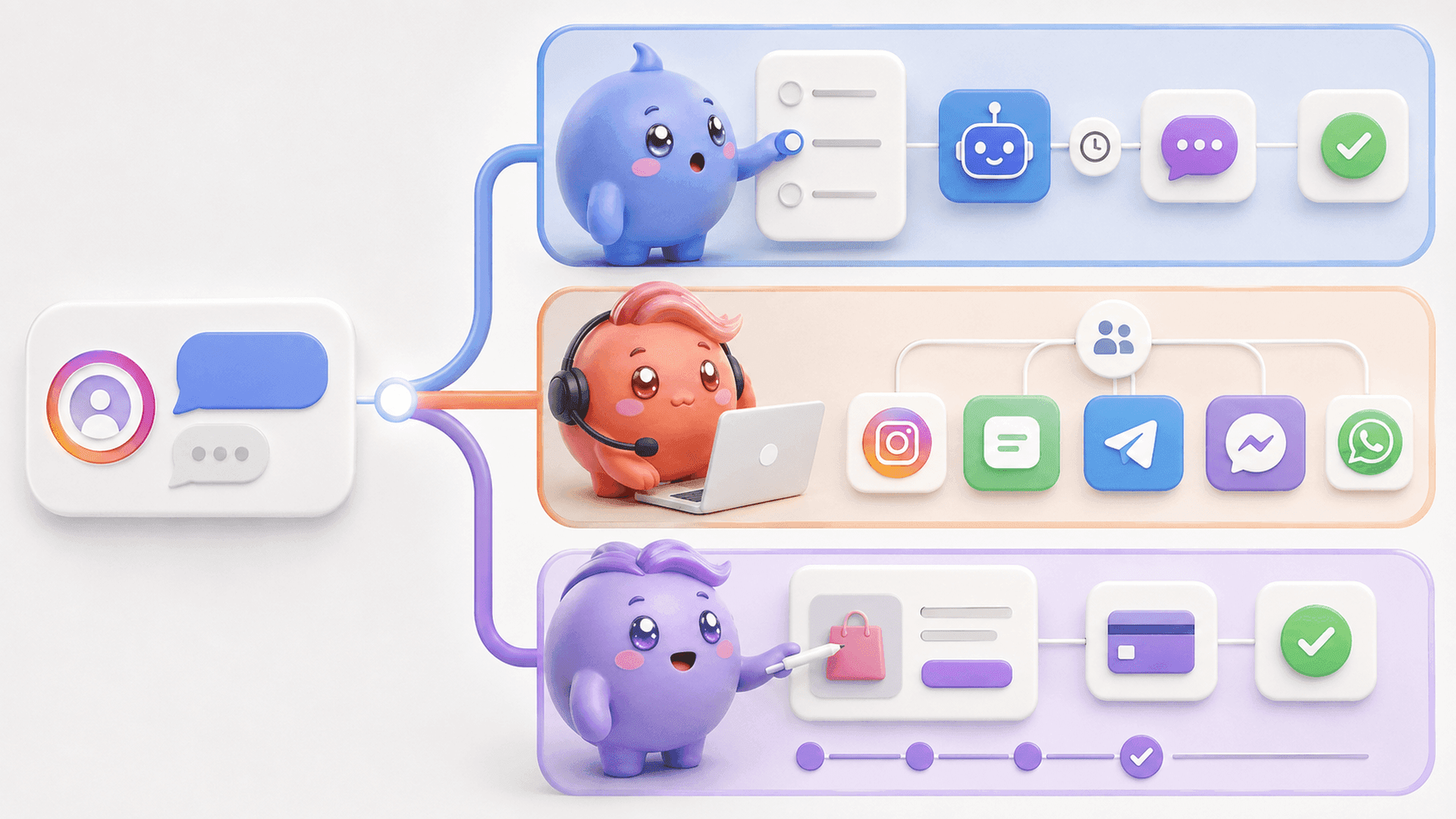
A person might comment a keyword on a Reel, reply to a Story or message an account directly. That interaction can begin a DM conversation without giving the business a phone number. Moving the person to SMS would be a separate step and would require an appropriate way to collect their number and permission.
Why the distinction matters for a business
If your audience discovers you on Instagram, the DM is often the shortest path from content to conversation. Sending people immediately to another channel can add friction. Keeping the first interaction inside Instagram lets you answer the question or deliver the promised resource where the person already chose to engage.
The channel name is only the beginning, though. A fast first message does not guarantee that the conversation will become a booked call or customer. The business still needs a plan for what happens next.
If Instagram conversations are already becoming difficult to manage, you can try Mochi free for 7 days and organize the leads already inside your DMs.
What Instagram DM automation actually does
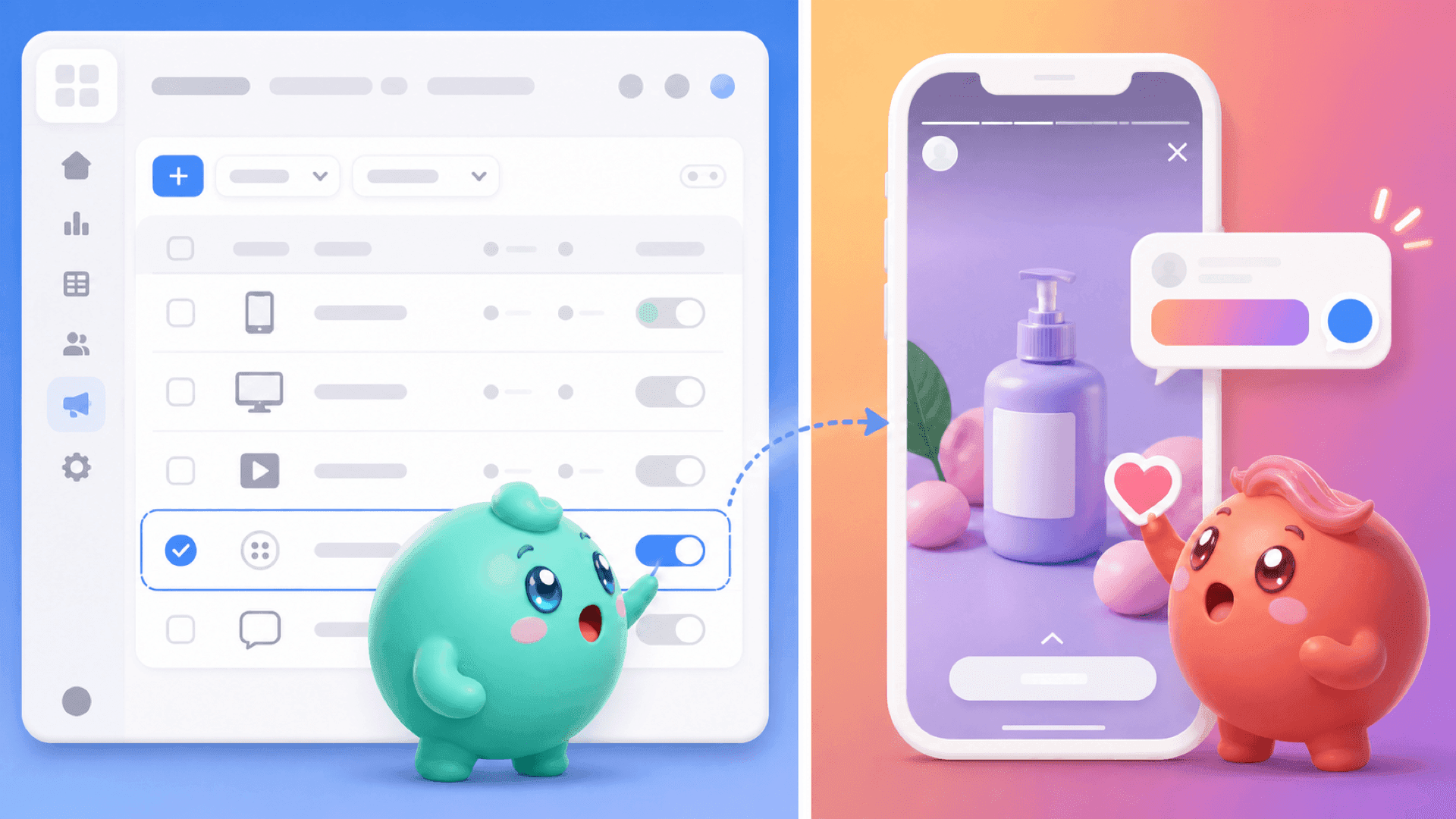
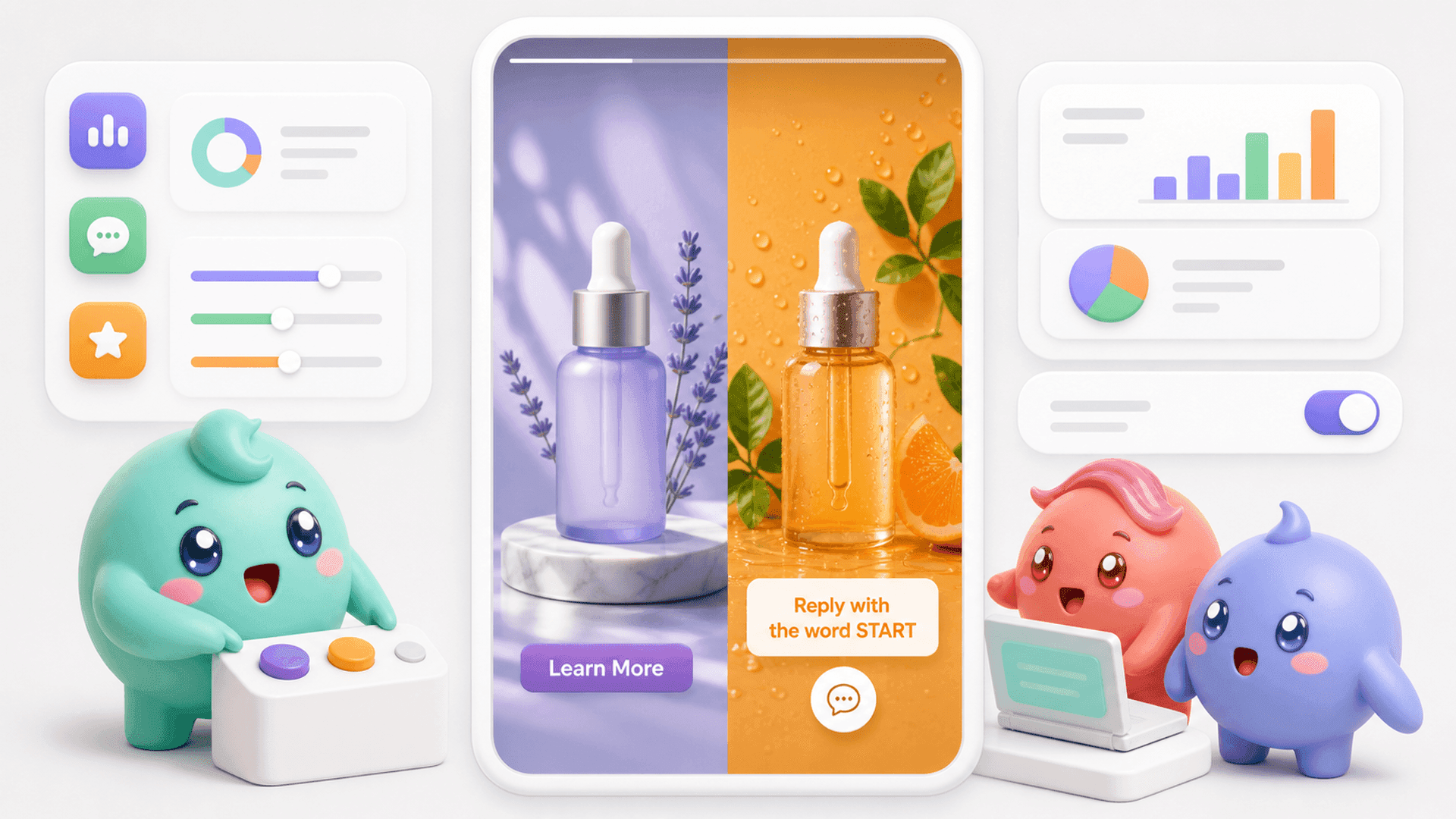
Instagram DM automation can send a selected first message after an action such as a comment, Story response, keyword or ad interaction. For example, a creator can ask viewers to comment “guide,” then send the requested resource through a DM.
This is useful when many people respond at once. Instead of asking a team member to copy and paste the same opening message, the system can start each supported conversation while the person is still interested.
A simple comment-to-DM workflow
- Publish useful content with a clear reason to respond.
- Ask the viewer to comment a relevant keyword or reply to a Story.
- Send the promised resource or opening question through a DM.
- Let the person choose whether to continue the conversation.
- When they respond, understand their situation before suggesting a call, checkout or other next step.
The best opening message delivers what was promised and makes the next action easy to understand. It should not pretend to be a personal reply when it is an automated response, and it should not trap the person inside a long sequence they did not ask for.
Automation should start the conversation, not replace it
The first message is usually the easiest part. The harder work begins when a real person replies with a question, explains a problem or shows interest in the offer.
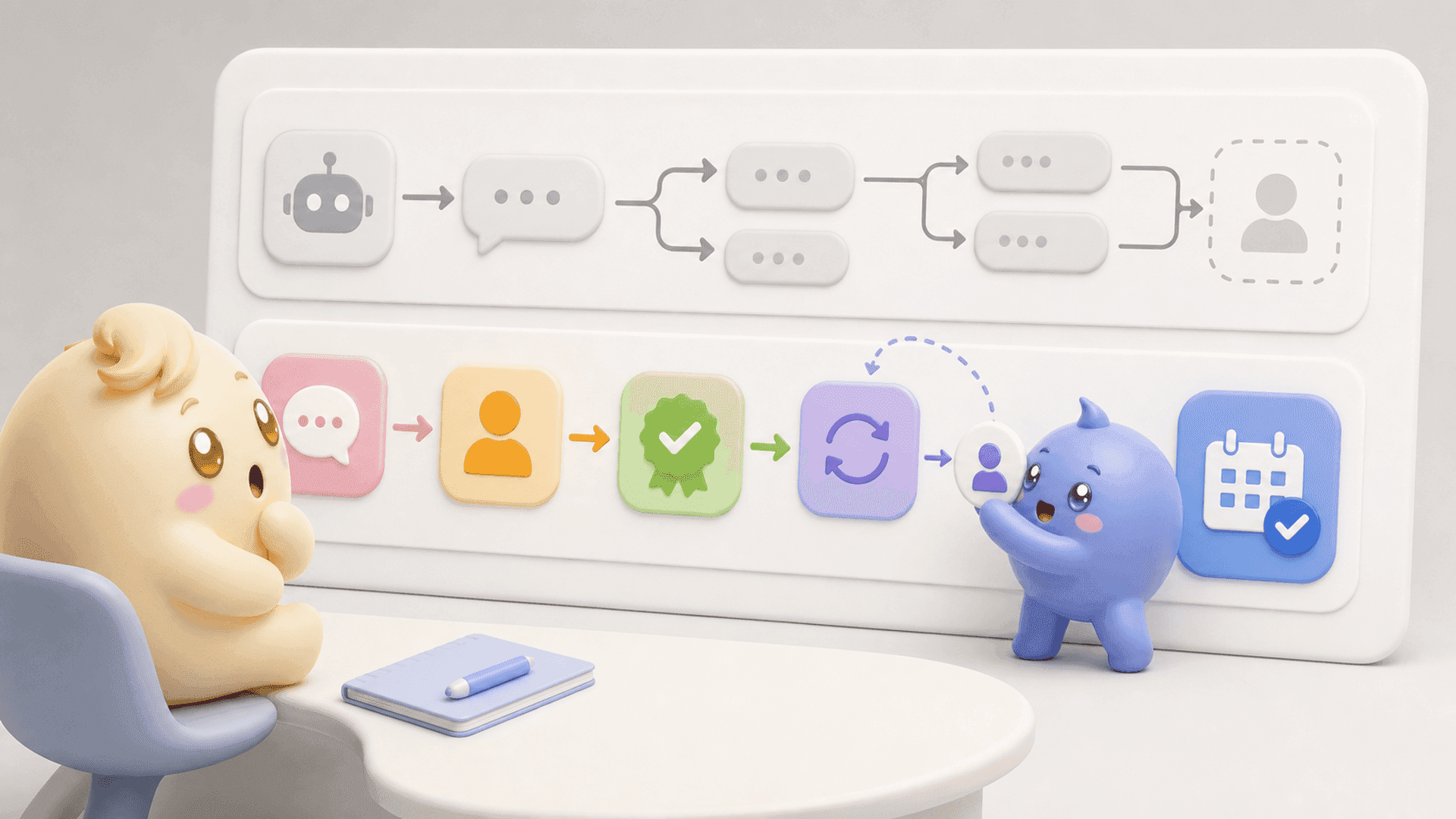
At that point, the business needs to know who the person is, whether the offer could help them and what has already been said. A rigid sequence can feel disconnected when somebody asks a question the sequence was not designed to handle.
Use automation for clear, repetitive actions. Use human judgment for qualification, objections and important decisions. The goal is not to send the largest possible number of messages. It is to create useful conversations and move the right people forward.
The sales problem begins after the automatic message
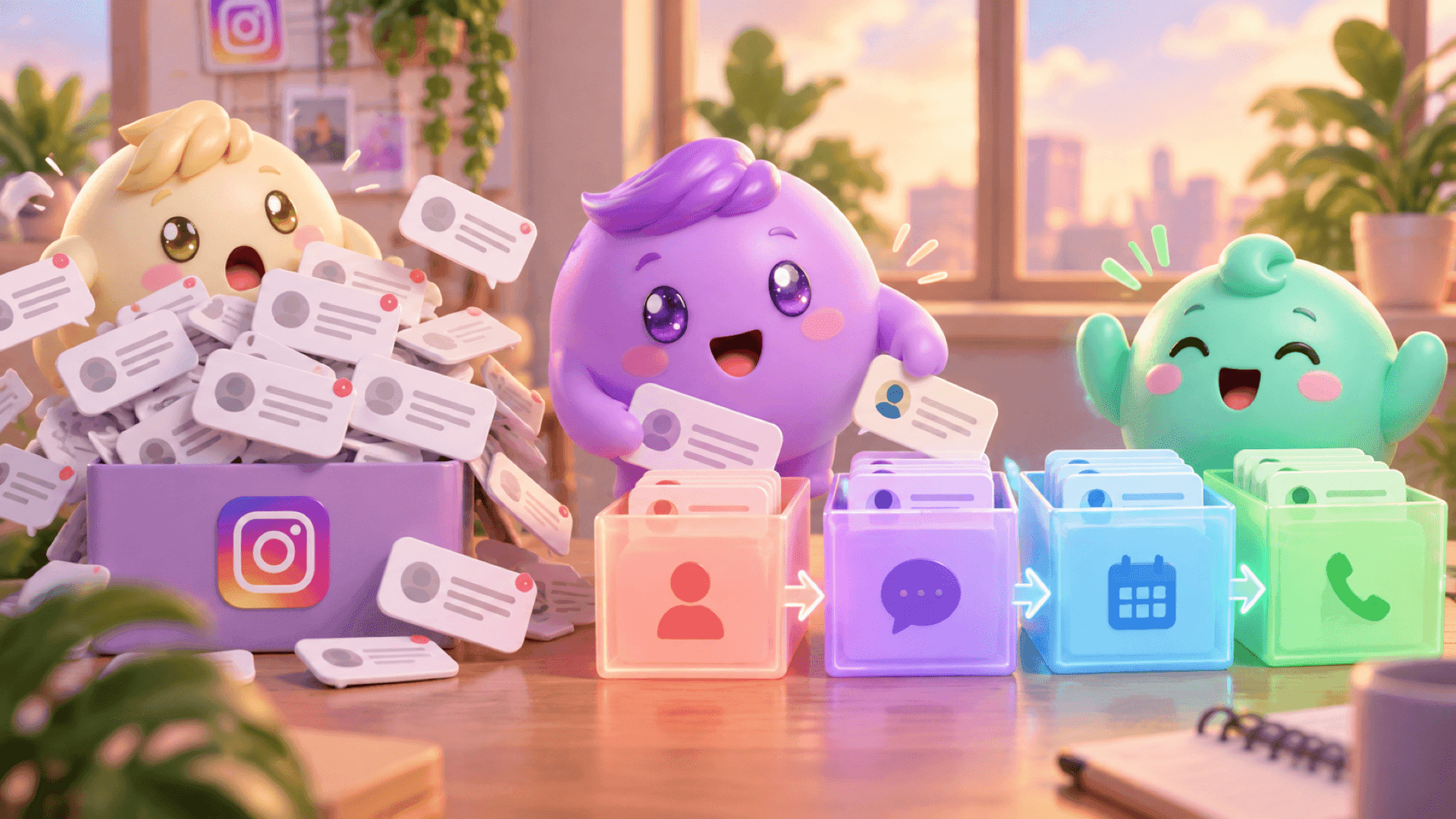
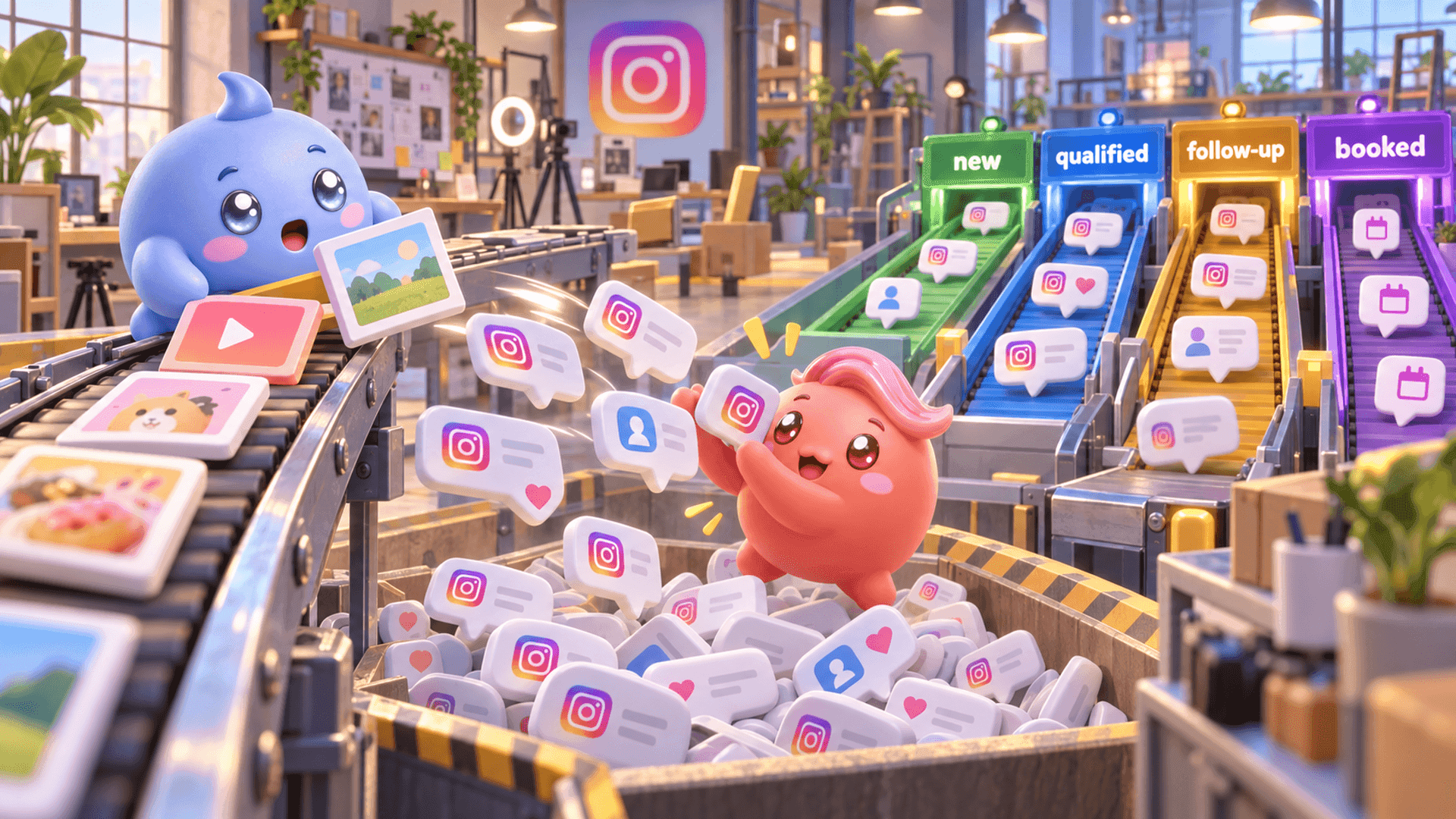
Imagine that a Reel brings 50 people into the DMs. Everyone receives the requested guide immediately. That solves the delivery problem, but it creates a new one: the inbox now contains new replies, casual reactions, questions, interested prospects and people who are ready for a call.
Instagram naturally puts recent activity near the top. A new emoji can therefore appear above a qualified person who already answered the important questions and asked what to do next. If the person handling the inbox simply works from top to bottom, they can stay busy all day while the strongest conversations wait.
Build a process for the middle of the journey
A practical DM sales process should make five things clear:
- Priority: Which conversations deserve attention first?
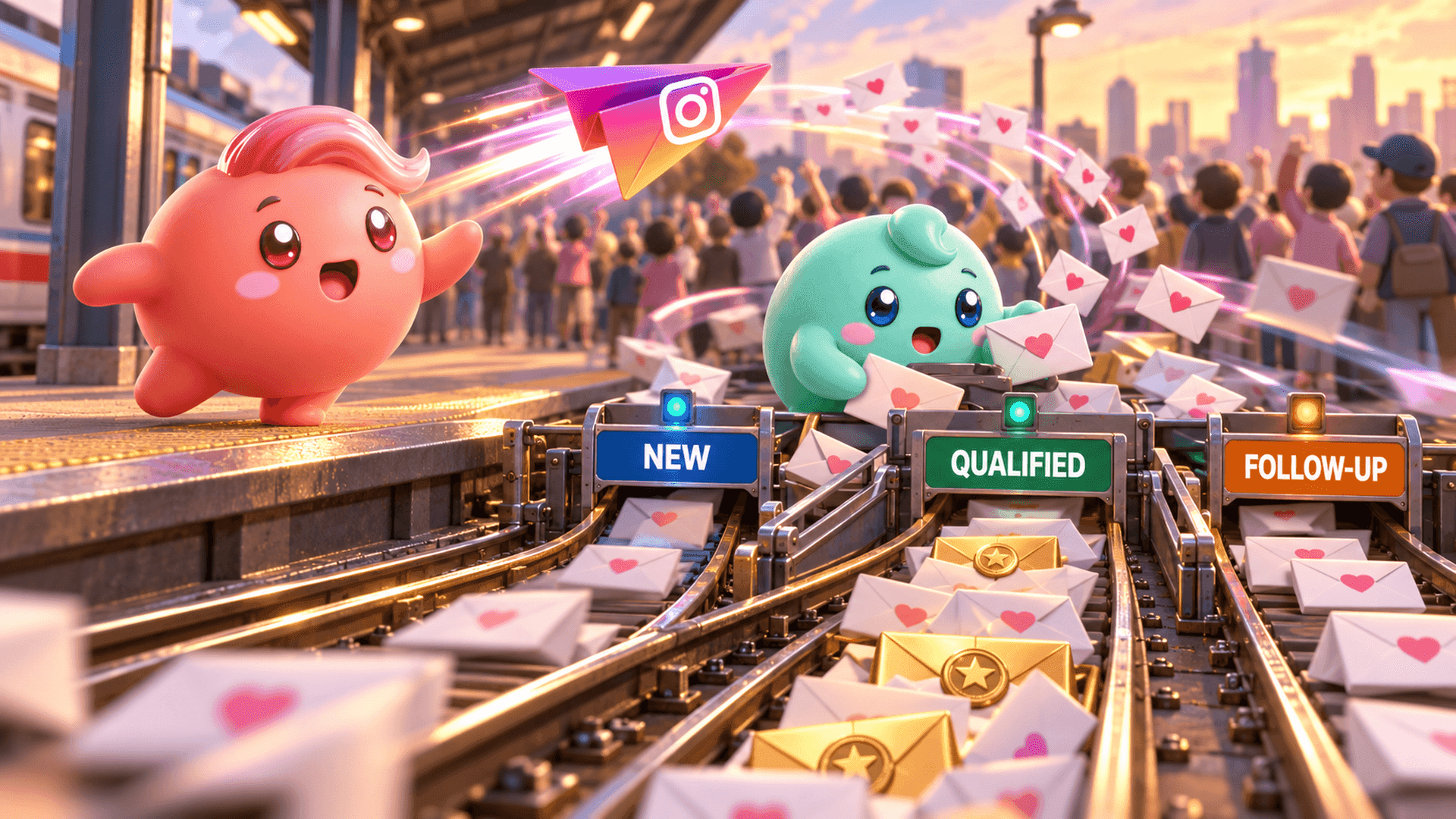
- Stage: Is the person new, in contact, qualified, waiting for follow-up or ready to book?
- Ownership: Who is responsible for the next reply?
- Context: What did the person say about their problem, timing or goal?
- Next action: Does the team need to answer, follow up, send a calendar link or close the conversation?
A small business can begin manually. Create a few clear stages, assign one owner to each active conversation and review qualified leads before working through every new message. Record follow-up dates outside the inbox if necessary, and check whether people who received a booking link actually booked.
The manual system becomes less reliable as message volume and team size increase. Notes drift apart, unread messages get used as reminders and qualified people become difficult to find. That is the point where a dedicated Instagram DM sales system becomes more useful than another spreadsheet.
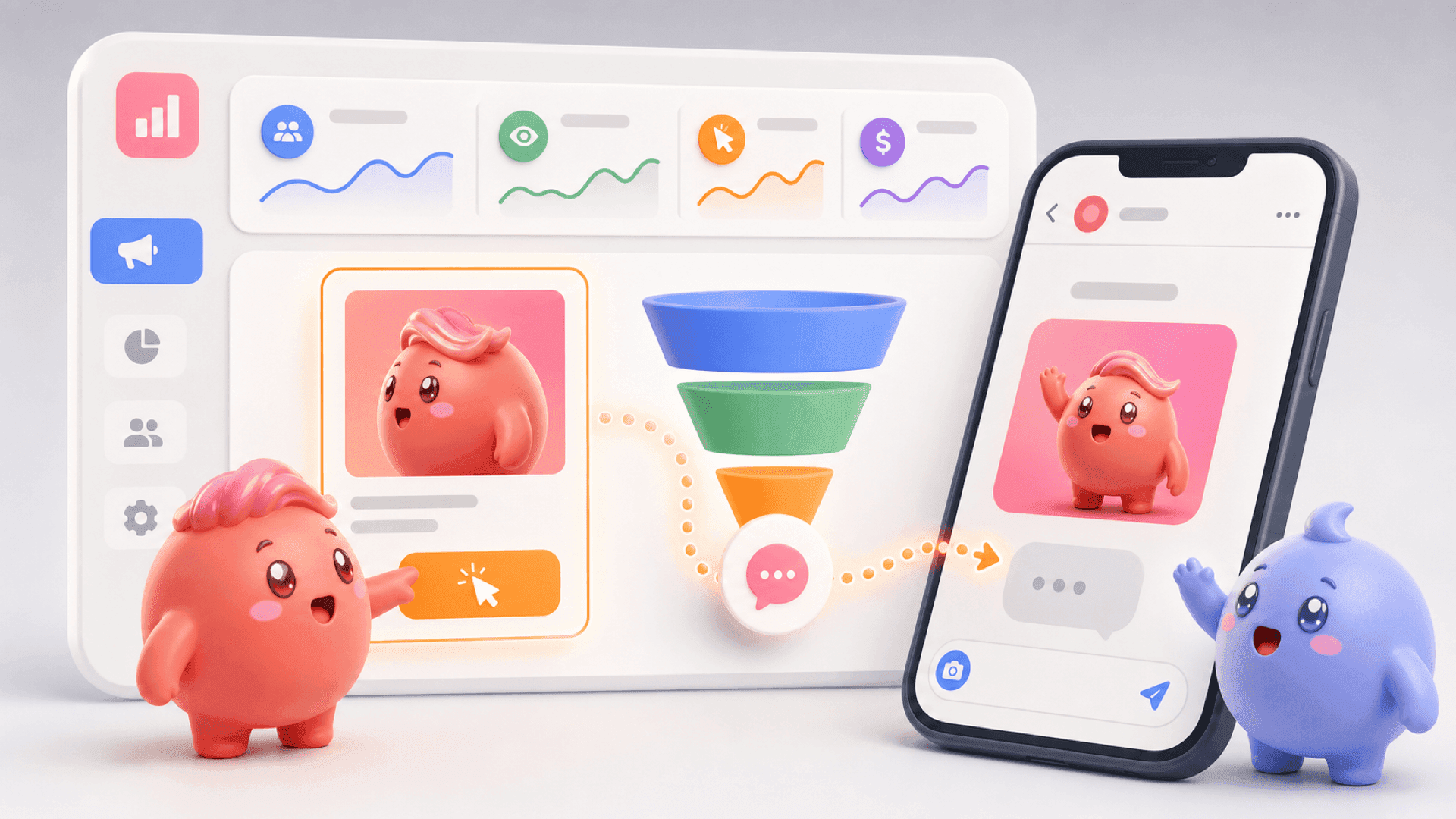
Mochi connects the opening conversation with the work that follows. DM Automations can start selected conversations, while the Priority Inbox helps the team handle qualified leads and follow-ups before random new messages. Scheduled Follow-Ups bring conversations back at the right time, and Calendar Link Tracking shows whether a person received, opened or booked through the link.
If you want the first message and the sales process after it to live in one system, start a 7-day free trial of Mochi.
How to choose the right Instagram messaging setup
Do not choose a tool only because it can send an automatic DM. Start with the outcome and map the entire journey from content to customer.
Questions to ask before choosing a system
- Which actions should start a message: comments, keywords, Stories, ads or direct inbound DMs?
- Can the team see which conversations replied after the first message?
- Can qualified people be separated from casual reactions and spam?
- Can each conversation have a clear owner?
- Can follow-ups be prepared and brought back at the right time?
- Can the business see what happened after a calendar link was sent?
- Can results be connected to the post, Story, ad or outreach source that began the conversation?
If you only need to deliver a link after somebody comments, a simple automation may be enough. If Instagram is a serious sales channel, you also need a way to manage priority, context, follow-up and movement through the sales process.
That is the important difference between sending messages and running Instagram DMs as a sales channel. The first is an action. The second is a system that helps the team understand which people matter, what should happen next and where good conversations are being lost.
The useful rule to remember
Automate the predictable opening. Keep the conversation relevant when a person replies. Then track what happens between that reply and the booked call or sale.
If your business already gets leads through Instagram, you may not need more messages. You may need to stop losing the right people after they arrive. Try Mochi free for 7 days and use it with the conversations already entering your inbox.