Chatfuel for Instagram DM Sales: Is Automation Enough?
Blog

What is Chatfuel, and what problem are you trying to solve?
If you are researching Chatfuel, you are probably trying to handle more conversations without manually sending every first reply. The supplied search research places Chatfuel among the tools people consider when comparing ManyChat alternatives, especially for businesses interested in conversations across channels such as WhatsApp, Instagram and Facebook.
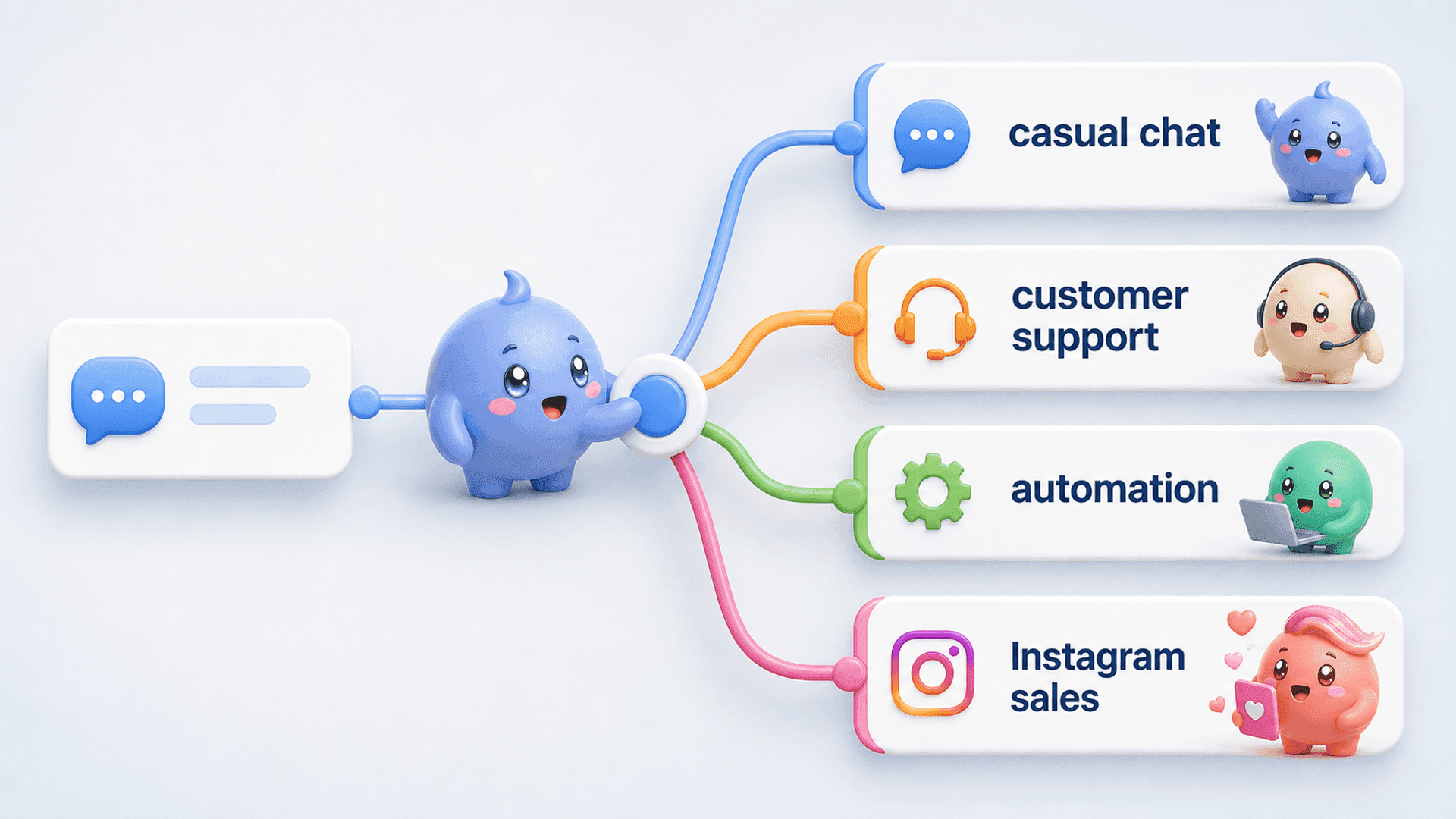
That makes the first question straightforward: Do you mainly need to start and automate conversations, or do you need to run an Instagram DM sales operation after those conversations begin?
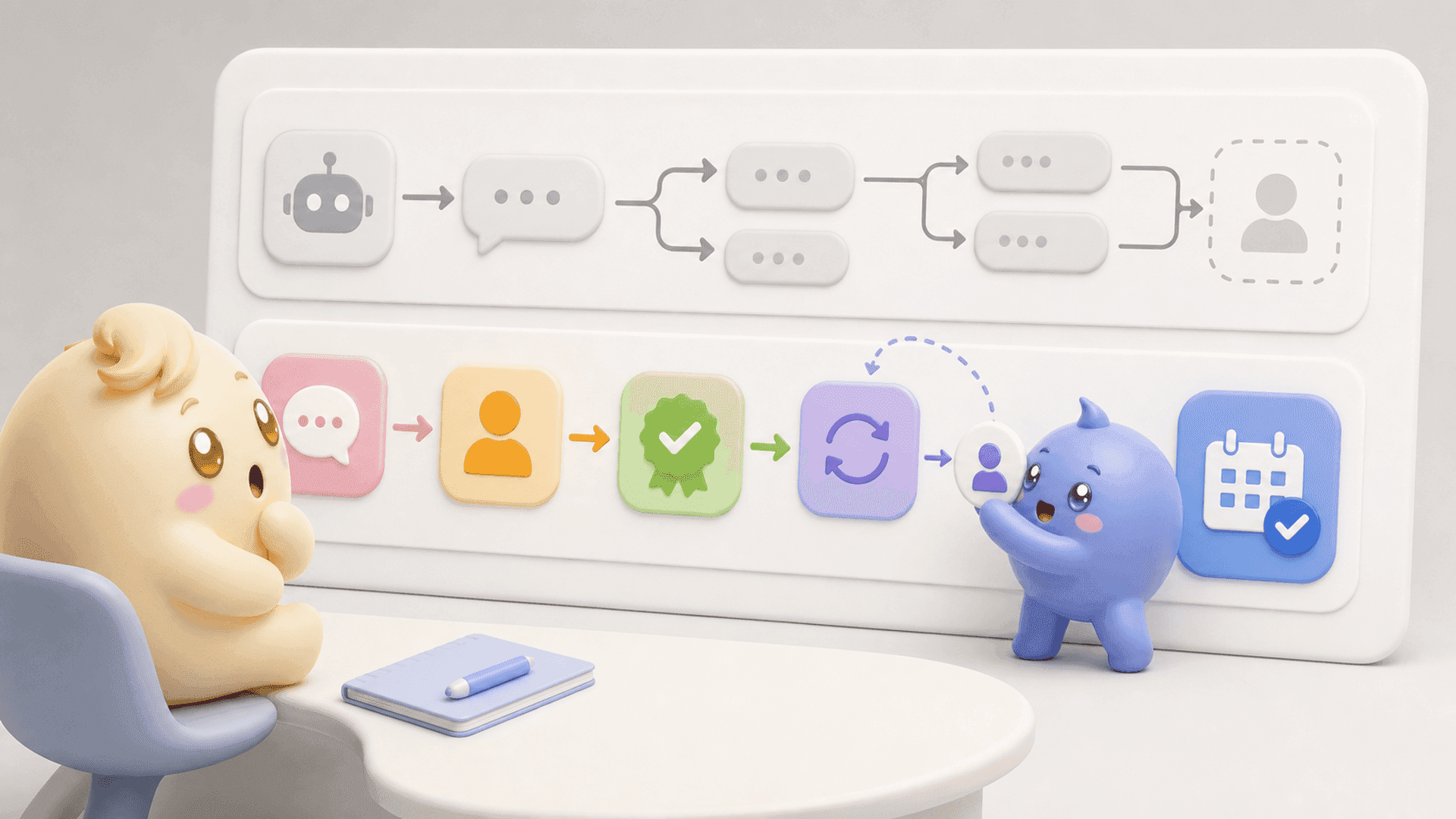
Those goals overlap, but they are not identical. An automation can respond when somebody comments on a post, replies to a Story or uses a keyword. That first response matters because it reaches the person while their interest is fresh. But a coach, creator or digital-product business still has to move the right people through the rest of the journey:
- Understand why the person messaged.
- Ask questions and decide whether the person is a good fit.
- Remember important context from the conversation.
- Follow up when the timing is right.
- Send a calendar or checkout link.
- See whether the person booked or bought.
- Learn which content, scripts and team members created the result.
A tool can perform the first step well without solving all seven. Before choosing Chatfuel or any alternative, define the part of the journey that is currently breaking. Otherwise, it is easy to buy an automation tool when the real problem is that qualified people disappear after the automation ends.
If your leads are already entering Instagram but good conversations keep getting lost, try Mochi free for 7 days and organize the people already inside your inbox.
The difference between starting a DM and managing a sale
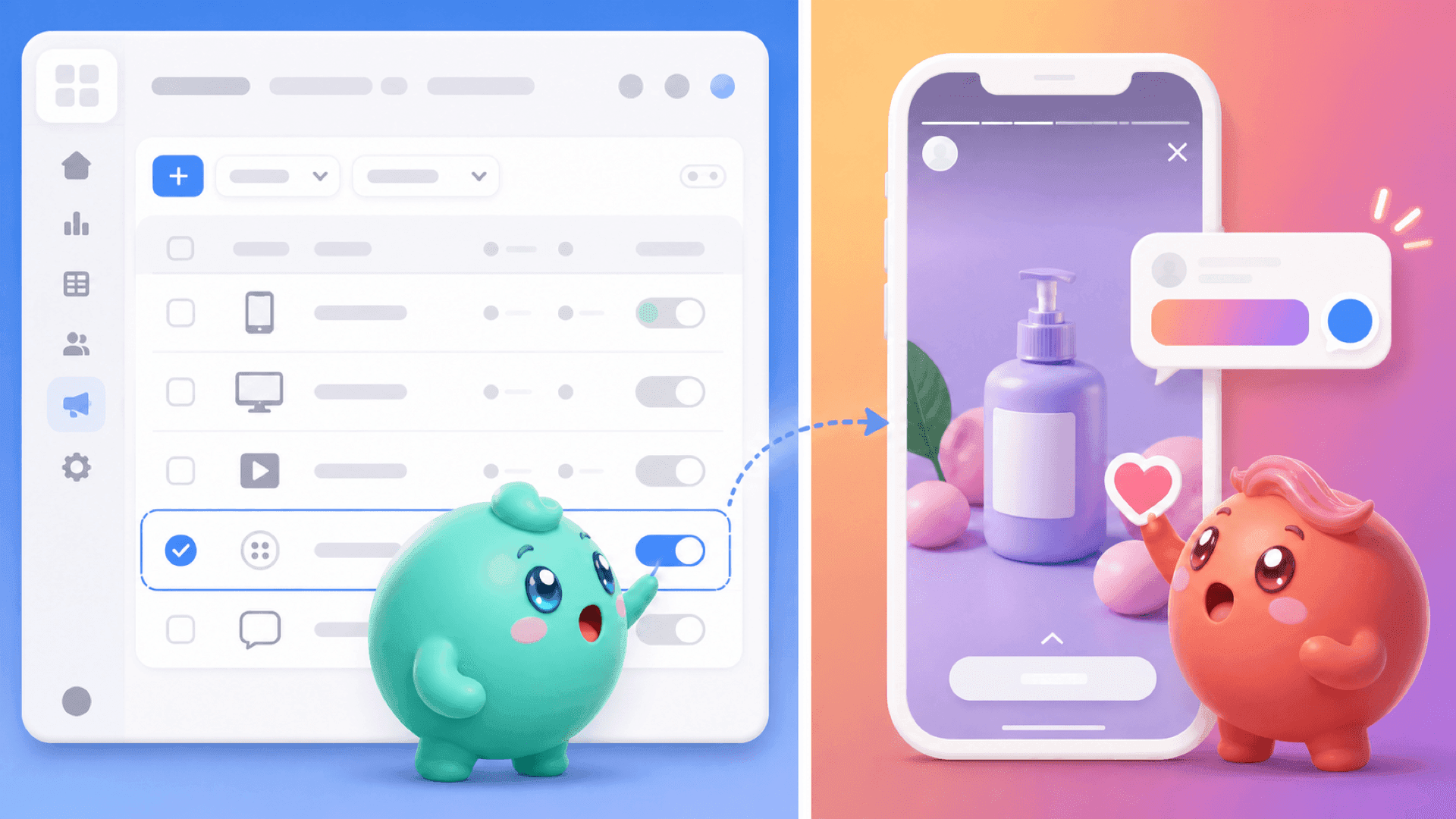
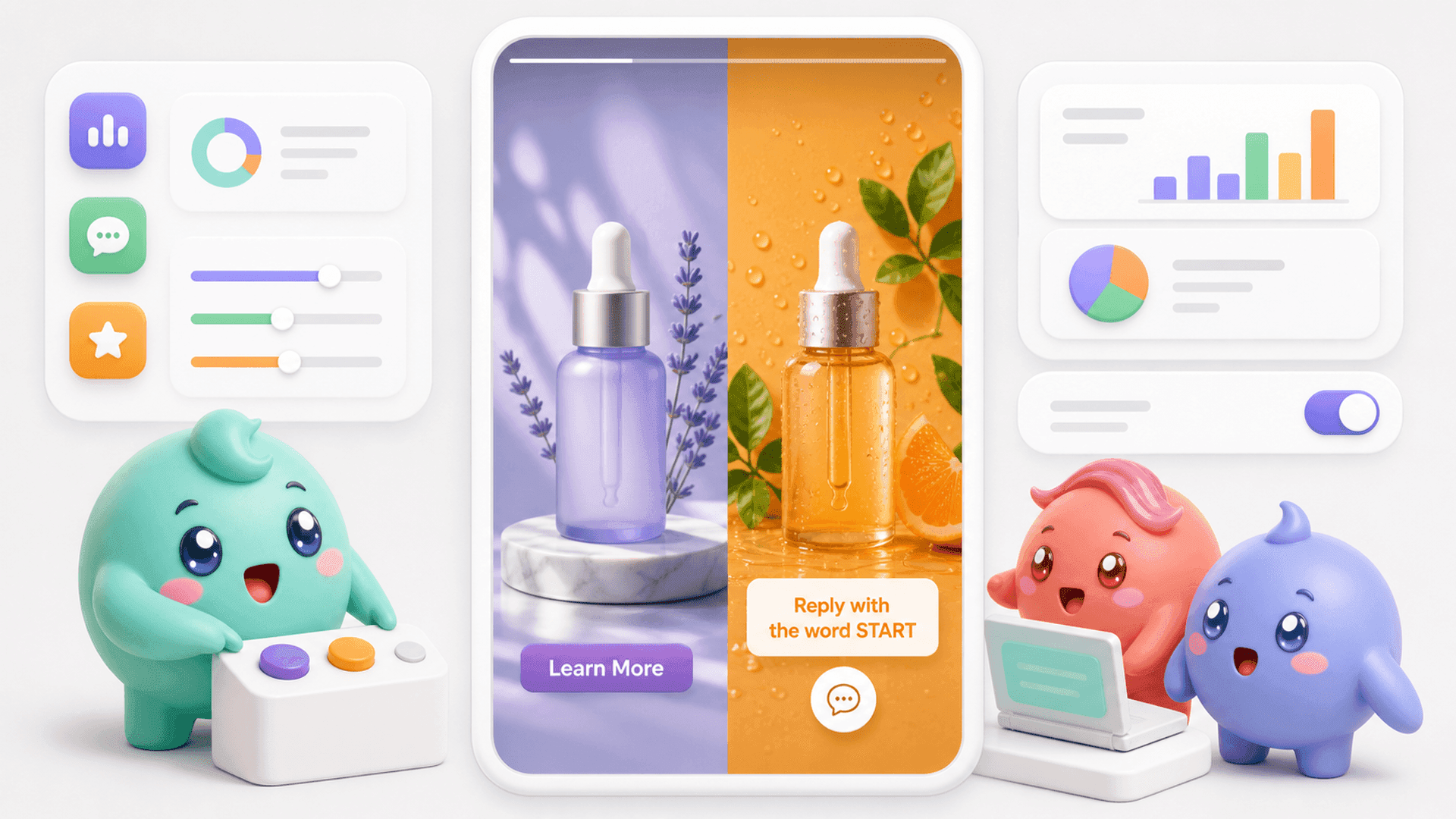
Imagine that a creator publishes a Reel and asks viewers to comment “guide.” An automated first message sends the resource immediately. That is useful: nobody has to wait for a team member to copy and paste the same reply.
Now the sales work begins. Some people only wanted the resource. Some have the exact problem the offer solves. One person may explain that they are ready to start next week, while another asks to book a call immediately. If every conversation returns to an inbox ordered by recency, the newest emoji can appear above the person who is ready to buy.
This is where businesses often confuse message delivery with sales progress. A healthy DM system needs to answer four different questions:
- Who matters now? The team should be able to find qualified leads, promised follow-ups and people waiting to book before random new messages.
- What has already been said? The next reply should reflect the person’s goals, objections and timing, even when another team member handled the earlier conversation.
- What should happen next? Every conversation needs a clear stage and owner, whether the next step is another question, a follow-up, a calendar link or a checkout link.
- What produced the result? The founder needs to connect booked calls and customers to the content, scripts, sources and team activity that created them.
You can improve this manually before changing software. Create a small set of lead stages, assign one owner to each active conversation and keep a daily list of qualified people who need a reply. Record follow-up dates somewhere the team checks consistently. Finally, compare outcomes rather than message counts: qualified leads, calendar links, booked calls and customers tell you more than the number of replies sent.
The weakness of a manual system is not the idea. It is the amount of discipline required as message volume grows. Notes become inconsistent, ownership becomes unclear and yesterday’s qualified lead gets buried beneath today’s new conversations.
How to evaluate Chatfuel for your workflow
Instead of asking whether Chatfuel is “good,” test whether it supports the complete job your business needs done. Product capabilities and plans can change, so verify the current details directly with the provider while using the checklist below to guide the decision.
1. Test the entry point
List every way people enter your DMs: comments, Story replies, keywords, ads and manual outbound messages. Check whether the tool supports the triggers you actually use and whether the resulting conversation remains easy for a person to continue.
2. Test the handoff to a human
Run a realistic conversation from the first automated message to a difficult question. Can the person handling the inbox see the history, understand the lead and take over without repeating questions? A fast first message does not help much if the human reply feels disconnected.
3. Test priority and ownership
Ask two team members to work from the same inbox. Can they tell who owns each conversation? Can they isolate qualified people and scheduled follow-ups? If the system still encourages everyone to work from newest to oldest, serious leads may remain hidden even while the team looks busy.
4. Test the final step
Send a booking link in a test conversation. Determine whether your team can distinguish between the link being sent, opened and used to book. Those moments need different follow-ups. “Did you see the link?” is a poor message when the person already opened it but did not choose a time.
5. Test reporting against revenue
Do not stop at delivery rates or total conversations. Look for a path from source to qualified lead, booked call and customer. If you cannot see where people disappear, a low booking rate can make you blame content when the actual leak is missed follow-up.
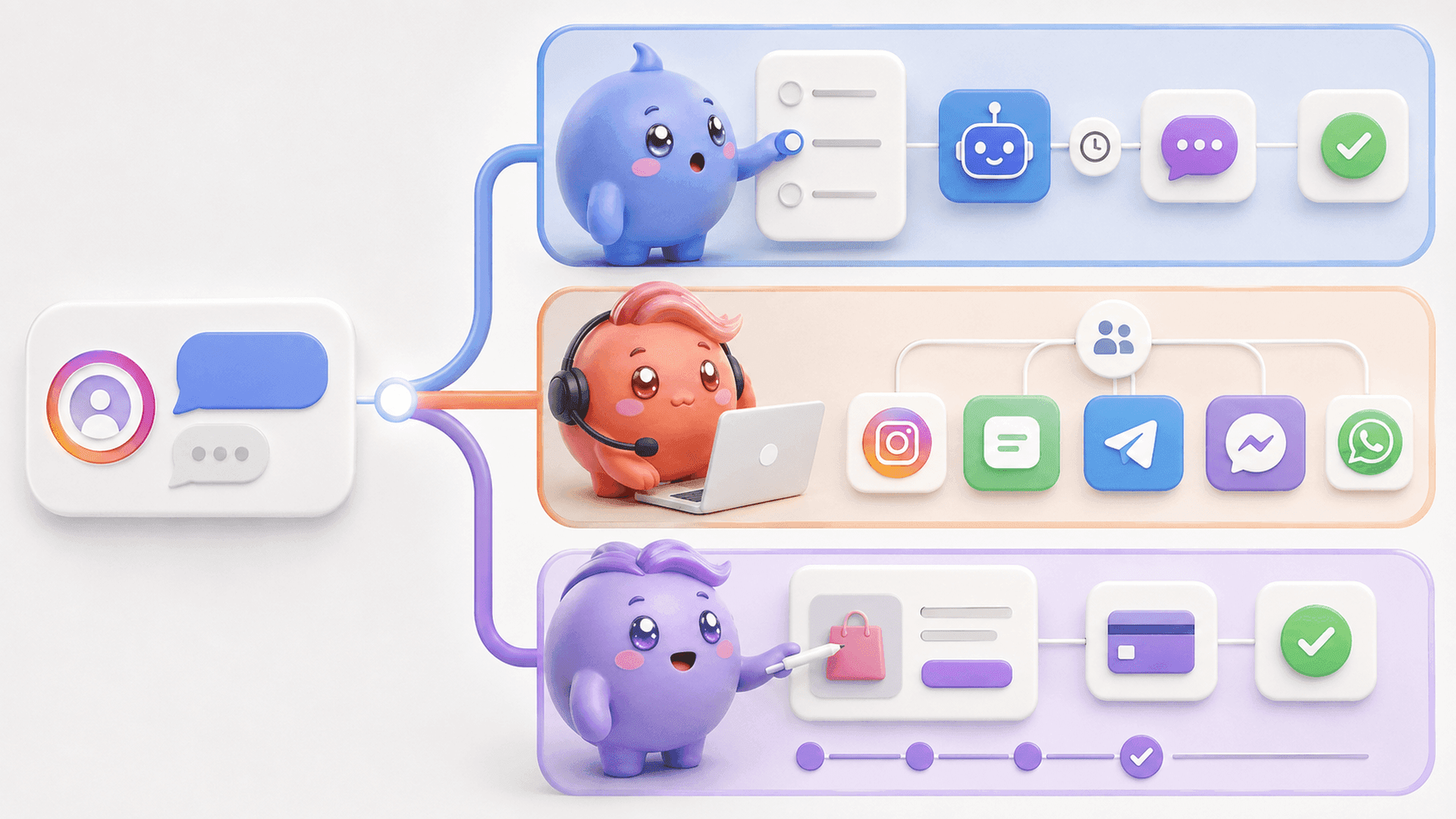
This is the point where Mochi serves a different need from a tool chosen mainly to automate the start of conversations. Mochi can start selected conversations, but its central job is to help coaches, creators and info businesses manage what happens around and after that first message. It organizes leads by stage and priority, gives the team conversation context, schedules responsive follow-ups, tracks calendar-link progress and shows how conversations move through the sales pipeline.
If that is the missing part of your current setup, start a 7-day free trial of Mochi and test it with the real conversations already coming into your business.
When Chatfuel may fit, and when to consider Mochi
Chatfuel may deserve a place on your shortlist when the main problem is initiating automated conversations or coordinating messaging across the channels your business uses. Your choice should follow your real channel mix and the current capabilities you confirm during evaluation.
Mochi is built for a more specific situation: Instagram is a serious sales channel, and the business needs to turn conversations into qualified booked calls or customers. It becomes relevant when:
- qualified people are buried beneath random new messages;
- the team forgets follow-ups or relies on unread chats and memory;
- different people handle the same lead without enough context;
- the founder cannot see where leads disappear before booking;
- message counts are visible, but qualified calls and conversion are not;
- content performance is measured by views instead of the conversations and customers it creates.
The distinction is not “automation versus no automation.” Automation is valuable when it opens the right conversation quickly. The bigger question is whether the system helps the business continue that conversation intelligently and learn from the outcome.
Use this simple decision rule:
- Choose around the first message when your main bottleneck is starting conversations promptly.
- Choose around the sales journey when conversations already start, but the team struggles to prioritize, qualify, follow up and measure what becomes a sale.
- Use connected tools when necessary when an existing automation works well but the team needs a stronger operating system after people enter the DMs.
You do not always need more leads or more automated messages. Sometimes the people most likely to buy are already inside the inbox, waiting for the right reply. If you want to help your team find those people, continue with context and see what creates booked calls, try Mochi free for 7 days.