The Instagram logo is not your sales system
Blog

What the Instagram logo means for a business
Most people searching for the Instagram logo want a recognizable symbol for a website, presentation, social link or piece of marketing. For a business, however, that symbol represents something larger: a place where attention can become a conversation.
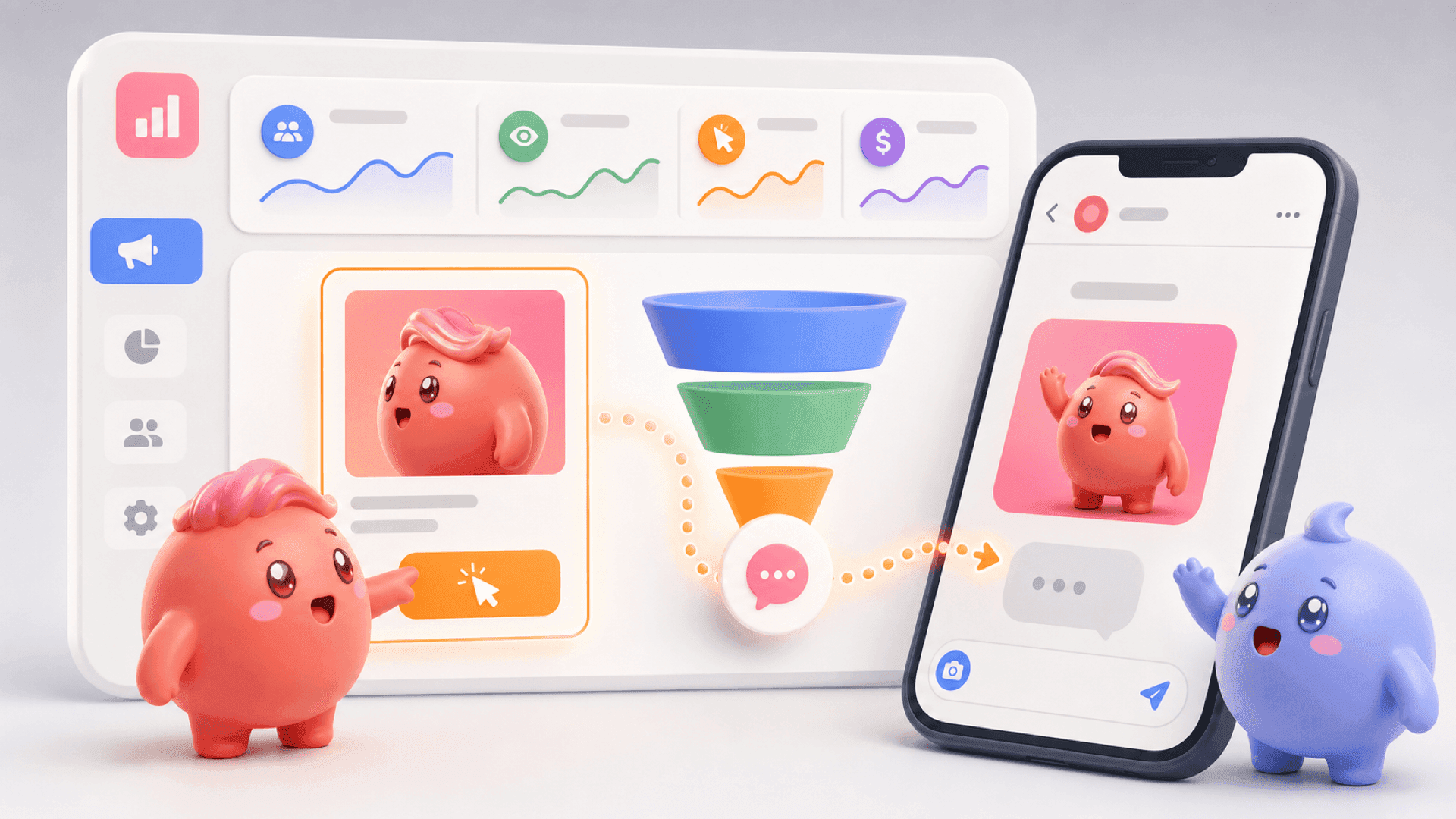
A coach or creator might publish a Reel, share several Stories or run an ad. At the end, they ask people to comment a word, reply to the Story or send a direct message. Someone sees the familiar Instagram icon, opens the platform and starts talking to the business.
That first action matters, but it is only the beginning. A logo can show people where to find you. It cannot tell your team which conversations matter, who needs a follow-up or whether an interested person eventually booked a call.
Use the logo for the right job
If you need the Instagram logo for public materials, obtain the current asset and usage guidance from Instagram or Meta’s official brand resources. Avoid treating a copied image from an unknown website as an authoritative brand file. Logo formats and usage requirements can change, so the official source should remain your reference.
Once the logo has helped somebody reach your Instagram presence, the more important question is: what happens after they enter your DMs?
Attention can enter the inbox and still disappear
Imagine that a creator posts a Story and receives dozens of replies. Instagram puts recent messages near the top, so the person handling the inbox naturally starts there. That feels sensible until a new compliment appears above someone who already answered the qualifying questions and asked about booking a call.
The team can look busy while the most valuable conversations wait. As more messages arrive, interested people move out of sight. Follow-ups live in somebody’s memory, important details are buried in old messages and the founder cannot easily see where leads stopped moving.
This is why an Instagram presence and an Instagram sales process are different things. A visible profile can create demand, but the business still needs a reliable way to handle that demand.
Signs that the inbox has become a sales channel
- People regularly ask about your offer in DMs.
- Your content, Stories or ads invite people to start conversations.
- You qualify people before sending a calendar or checkout link.
- More than one person may reply from the account.
- Interested people sometimes need several follow-ups before taking the next step.
If those points sound familiar, the inbox is no longer just a place for casual messages. It is part of how the business makes money.
If you want a clearer way to handle the leads already entering your Instagram inbox, try Mochi free for 7 days.
Build a process behind your Instagram presence
A useful DM process does not begin with more automation. It begins by deciding how a conversation should move from first contact to the next meaningful step.
- Identify the source. Record whether the person arrived through a post, Story, comment, ad or manual outbound message.
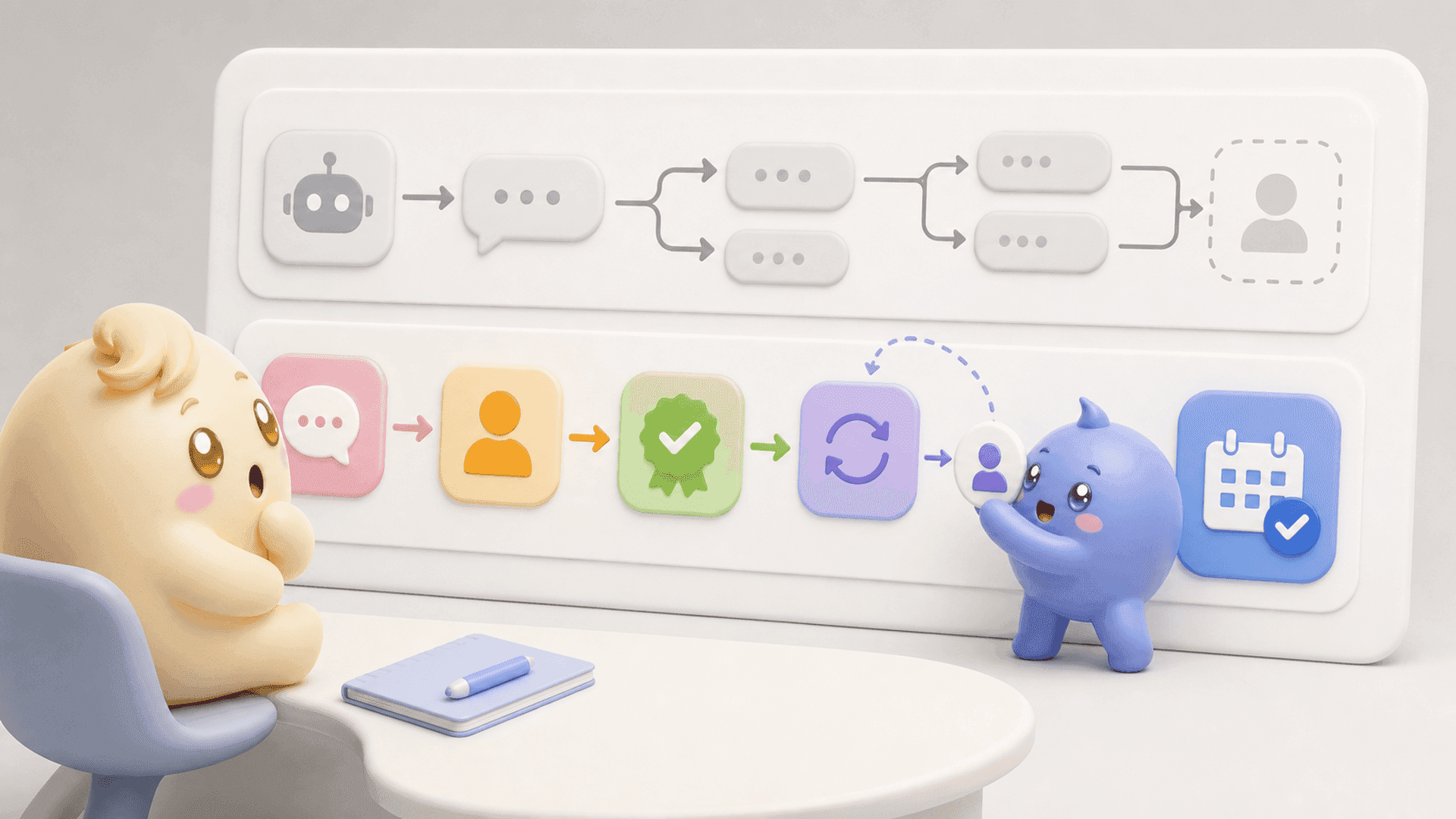
- Give every conversation a stage. Useful stages might include new lead, in contact, qualified, follow-up, calendar link sent, booked call and customer.
- Decide who owns the conversation. When several people handle DMs, one clear owner prevents duplicated replies and forgotten leads.
- Work by importance. Handle qualified people, promised follow-ups and leads close to booking before letting random recent messages consume the day.
- Track the next action. Sending a calendar link is not the finish line. The team still needs to know whether the person opened it, booked or needs another reply.
- Review where people disappear. A low booking rate can come from weak qualification, missed follow-ups or leads receiving a link without completing the booking.
You can begin manually with agreed stages, inbox labels and a shared follow-up routine. The limitation is that manual systems become harder to trust as the number of conversations and team members grows.
Measure movement, not just activity
Message counts can make a team look productive without showing whether conversations went anywhere. A better review asks how many new conversations became qualified, how many qualified people received the calendar link and how many actually booked.
The same principle applies to content. A post with many views is not automatically the post creating the best leads. Connect each conversation to its source so you can judge content by qualified conversations, booked calls and customers rather than public attention alone.
Where Mochi fits after the first message
Mochi is an Instagram DM sales system for coaches, creators and info businesses. It helps the person handling the DMs find the right leads, continue conversations with context and understand what is moving people toward a booked call or purchase.
Instead of working through the inbox only by recency, the team can organize conversations by stages and use filters to find qualified leads, follow-ups or chats owned by a specific person. Content Attribution connects conversations to the posts, Stories, ads and other sources that started them. The DM Sales Pipeline then shows how conversations move through the business as a whole.
The point is not to answer the largest possible number of messages. It is to stop good people from being hidden underneath random new conversations and to understand which attention is turning into real sales opportunities.
The Instagram logo can point people toward your profile. Your content can give them a reason to message. A clear sales process makes sure the right conversations continue after that first step.
If Instagram is already bringing people into your DMs, try Mochi free for 7 days and organize the conversations you already have.