CRM for Instagram: How to Turn DMs Into a Real Sales System
Blog

What is a CRM for Instagram?
A CRM for Instagram is a system for managing the people and sales conversations that begin on Instagram. Instead of treating every direct message as an isolated chat, it helps a business keep track of who the person is, what they need, what has already happened and what should happen next.
That distinction matters for coaches, creators and digital-product businesses. Their content often ends with a request to comment a word, reply to a Story or send a DM. Once somebody responds, the business may need to ask questions, decide whether the person is a good fit, follow up and either send a checkout link or book a sales call.
The native Instagram inbox can hold those conversations, but it was not designed to run that complete sales process. A useful Instagram CRM should turn the inbox into a system where the business can:
- Identify new, active and qualified leads.
- Give each conversation a clear owner.
- Record the stage each person has reached.
- Keep important context beside the conversation.
- Bring follow-ups back at the right time.
- Track what happens after a calendar link is sent.
- Connect conversations to booked calls, customers and their original sources.
The goal is not simply to store contact details. It is to stop serious people from disappearing between their first message and the next meaningful step.
Why an Instagram inbox stops working as a CRM
A founder can usually manage early conversations from memory. They know who asked about the offer, who needs an answer and who said they would return next week. The system starts to break when more content works, more people enter the DMs and other team members begin replying.
Recency hides priority
Instagram puts recent activity in front of the team. That means a new compliment or emoji can appear above a person who already answered the qualifying questions and asked to book a call. The person handling the inbox stays busy, but the most valuable conversation may still be waiting.
A CRM should let the team work by importance and sales stage, not only by which message arrived last. Qualified leads, promised follow-ups and people close to booking should be easy to find without opening chats one by one.
Context gets buried
A lead may explain their goal, concern and preferred timing across several days of messages. If the next person replying only reads the final line, a warm conversation can suddenly feel generic. “Are you still interested?” is a poor follow-up when the person already said they want to begin after returning from a trip.
A good system keeps the relevant context visible so the next reply shows that somebody listened. This becomes especially important when conversations change owners.
Activity is mistaken for progress
Message counts do not show whether the sales process is working. A team can send hundreds of replies without knowing how many people became qualified, received a calendar link, booked or bought.
If you want to stop losing qualified conversations under random new messages, try Mochi free for 7 days and organize the leads already inside your Instagram inbox.
What to look for in the best CRM for Instagram DMs
The best choice depends on what Instagram does for your business. A general CRM may be enough if Instagram is only a place where you occasionally meet contacts. If DMs regularly create sales conversations, you need a system built around what happens inside those conversations.
1. A clear lead pipeline
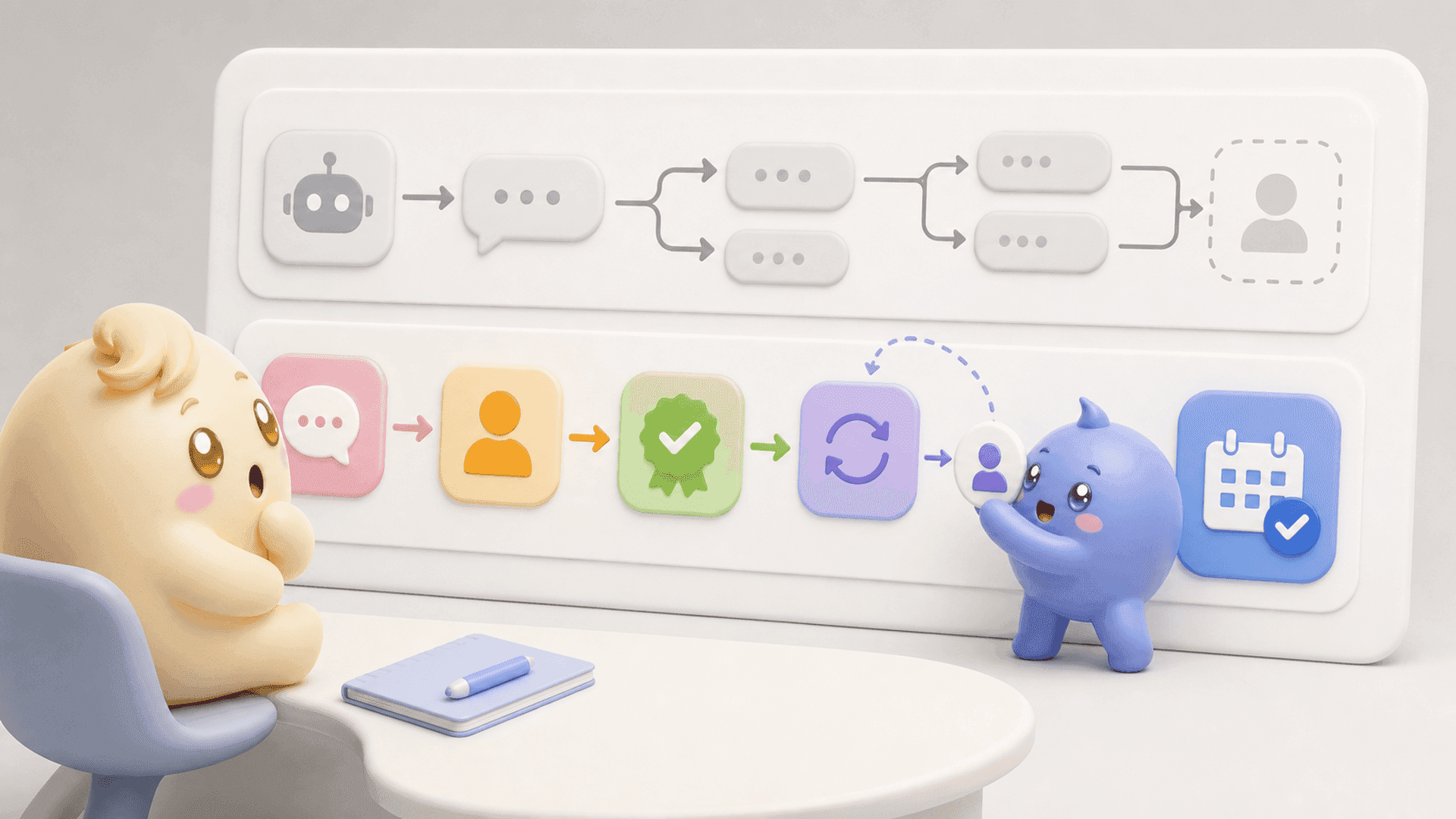
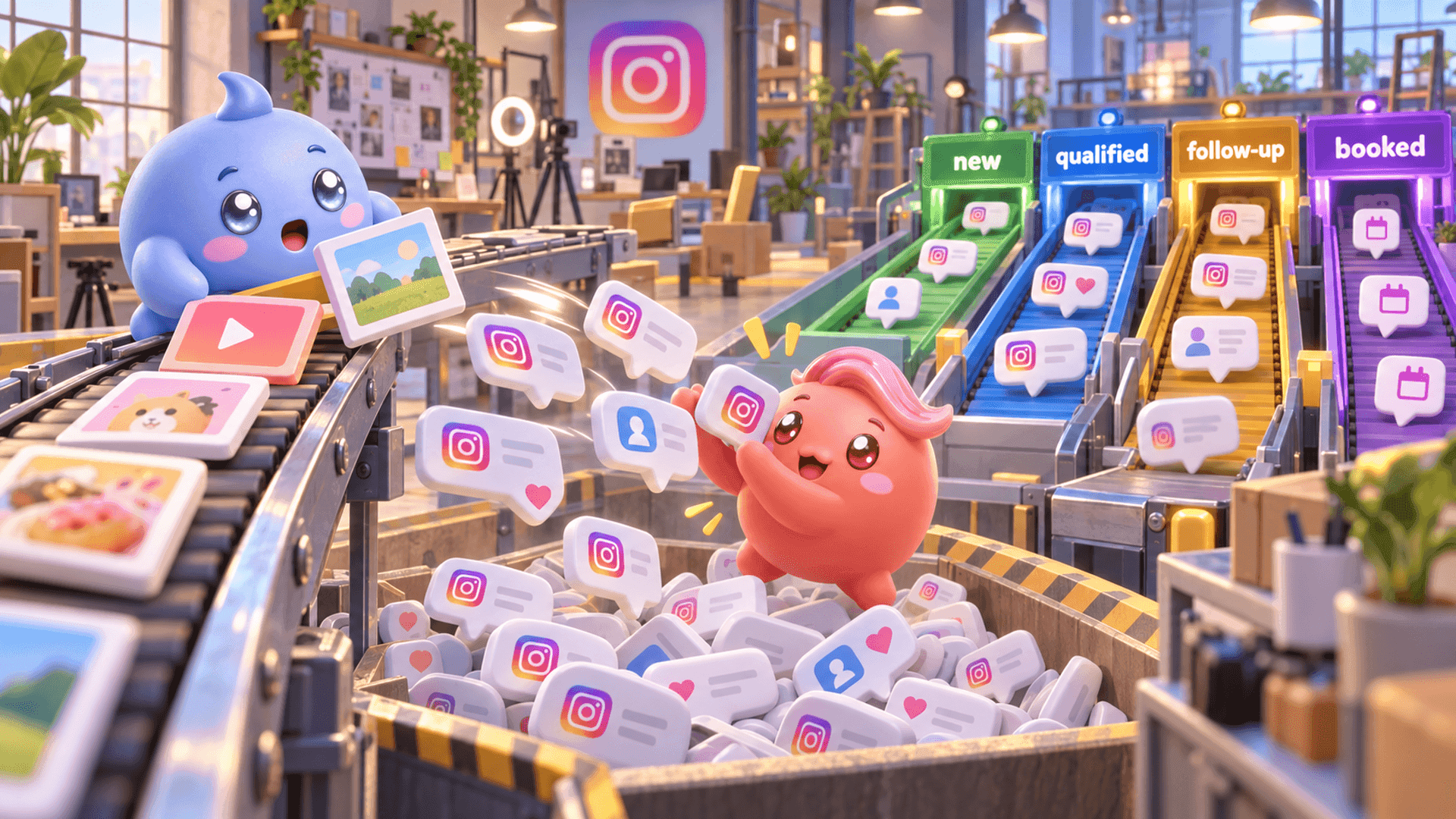
Your CRM should let you define stages that match the real journey, such as new lead, in contact, qualified, call pitched, calendar link sent, booked call and customer. It should also show how many people move between those stages. Otherwise, a low booking rate remains one vague problem instead of revealing the exact point where people disappear.
2. Prioritization and filters
Look for a way to find conversations by stage, owner, source, date or useful lead information. The team should be able to open a focused work list of qualified leads or overdue follow-ups instead of searching the complete inbox.
3. Reliable follow-up management
An interested person who is busy today should not depend on somebody remembering tomorrow. The system should make follow-ups visible and help the team return at the agreed time. It should also avoid sending a prepared follow-up after the person has already replied.
4. Conversation context
The person replying needs to see important goals, pain points, objections and previous steps without rereading weeks of messages. Useful summaries and reply guidance can make the team faster while keeping the conversation specific to the person.
5. Calendar-link tracking
Sending a booking link is not the same as getting a booked call. A sales-focused Instagram CRM should distinguish between a link being sent, opened and used to book. That gives the team the context to follow up with people who were already close to the next step.
6. Ownership and team accountability
If several people work in the DMs, every conversation should have one clear owner. Managers should also be able to see response times, completed follow-ups, qualified leads, calendar links and booked calls for each person. This shows who moves conversations forward, not merely who sends the most messages.
7. Source and content attribution
A popular post is not automatically a valuable post. Your CRM should help connect the original Reel, Story, ad or outbound conversation to the leads, booked calls and customers it creates. That lets the business repeat content that attracts serious people rather than judging everything by views.
If these are the gaps inside your current process, start a 7-day free trial of Mochi and see how a dedicated Instagram DM sales system handles them with real conversations.
How to build a useful Instagram CRM process
Software cannot fix a sales process nobody has defined. Before choosing a tool, write down how a conversation should move through the business.
- Define the stages. Decide what must happen before somebody moves from new lead to qualified, booked or customer.
- Define priority. Agree which conversations should be handled first. A qualified person waiting for a calendar link will usually matter more than a new message containing only a compliment.
- Assign ownership. Give every active conversation to one founder, salesperson or appointment setter. An appointment setter is the person who asks questions, qualifies leads, follows up and tries to book calls.
- Create a follow-up rule. Decide when the team should return, what context it should use and how overdue follow-ups will be found.
- Track movement, not busyness. Review how many people become qualified, receive the calendar link, book and buy. Message volume is supporting information, not the final outcome.
- Review the conversations behind the numbers. When one stage is weak, read the relevant chats. The numbers show where to look; the conversations often explain what needs to change.
Where Mochi fits
Mochi is an Instagram DM sales system for coaches, creators and info businesses. It is designed around the work that happens after people enter the DMs.
Mochi can organize conversations into stages, give each chat an owner and help the team find qualified leads and follow-ups first. Conversation Summaries preserve important context, while Scheduled Follow-Ups bring conversations back at the right moment. Calendar Link Tracking shows who received, opened and used a booking link. Custom Funnels and the DM Sales Pipeline show where conversations stop moving across the business.
For teams, Setter Performance connects individual activity to qualified leads and booked calls. Content Attribution connects the original content or Story to what happens later in the sales process. Together, these workflows answer the question a normal inbox cannot: which conversations, people and sources are actually creating results?
You do not always need more leads. Sometimes the right people are already in the inbox and the current system makes them too easy to miss. To give those conversations a clear next step, try Mochi free for 7 days.