Instagram Sponsored Posts: How to Turn Paid Reach Into Real Sales
Blog

What are Instagram sponsored posts?
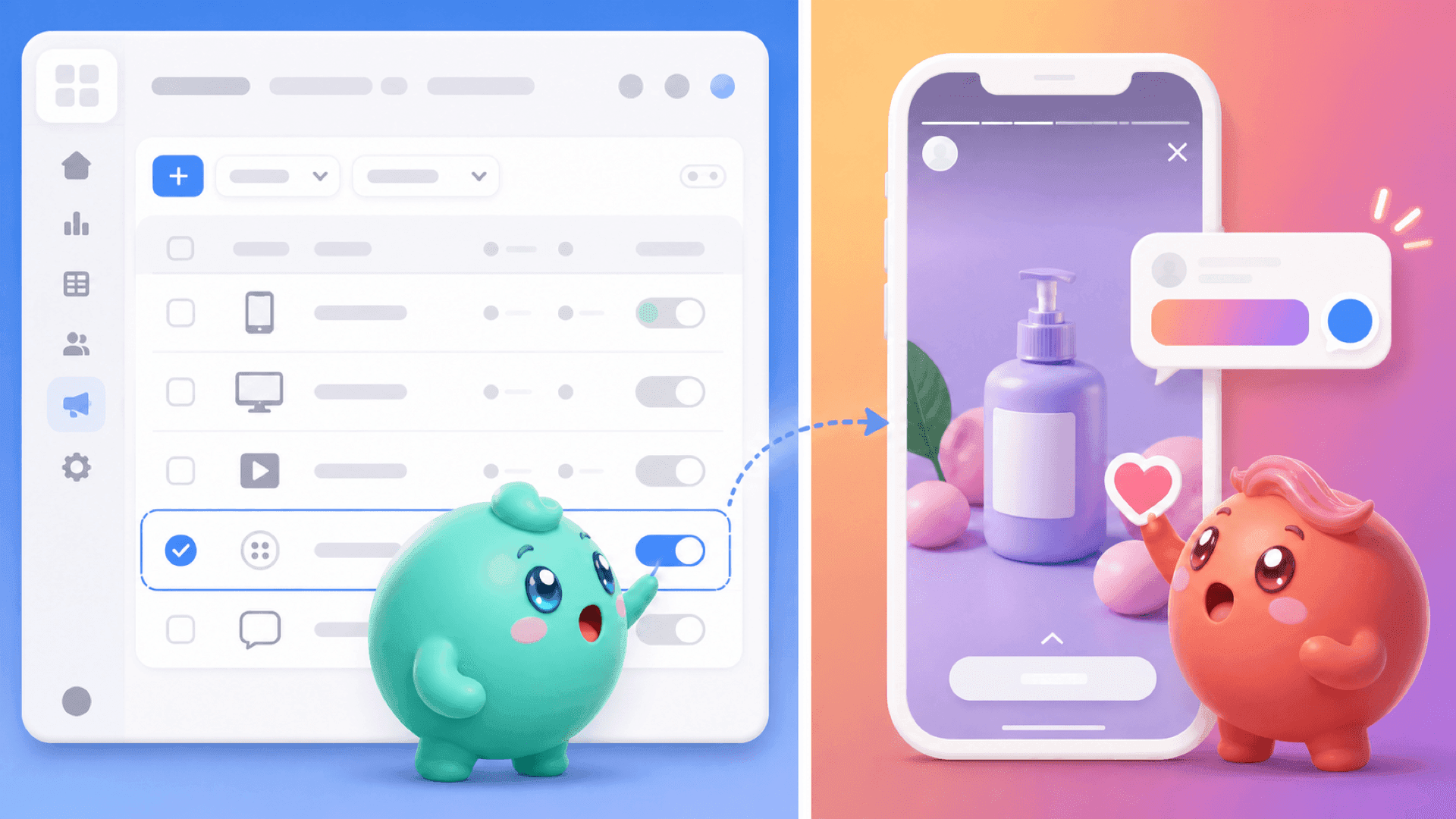
Instagram sponsored posts are pieces of content that receive paid distribution. Instead of relying only on your existing followers and organic reach, you pay to place a post in front of a selected audience. Depending on the campaign and placement, the content may appear in feeds, Stories, Reels or other parts of Instagram.
People often use sponsored post, boosted post and Instagram ad as if they mean exactly the same thing. They all describe paid content, but the setup can differ. Boosting generally starts with an existing post and a simpler promotion flow, while a campaign created through Meta's advertising tools can offer more control over the objective, audience, placement and measurement.
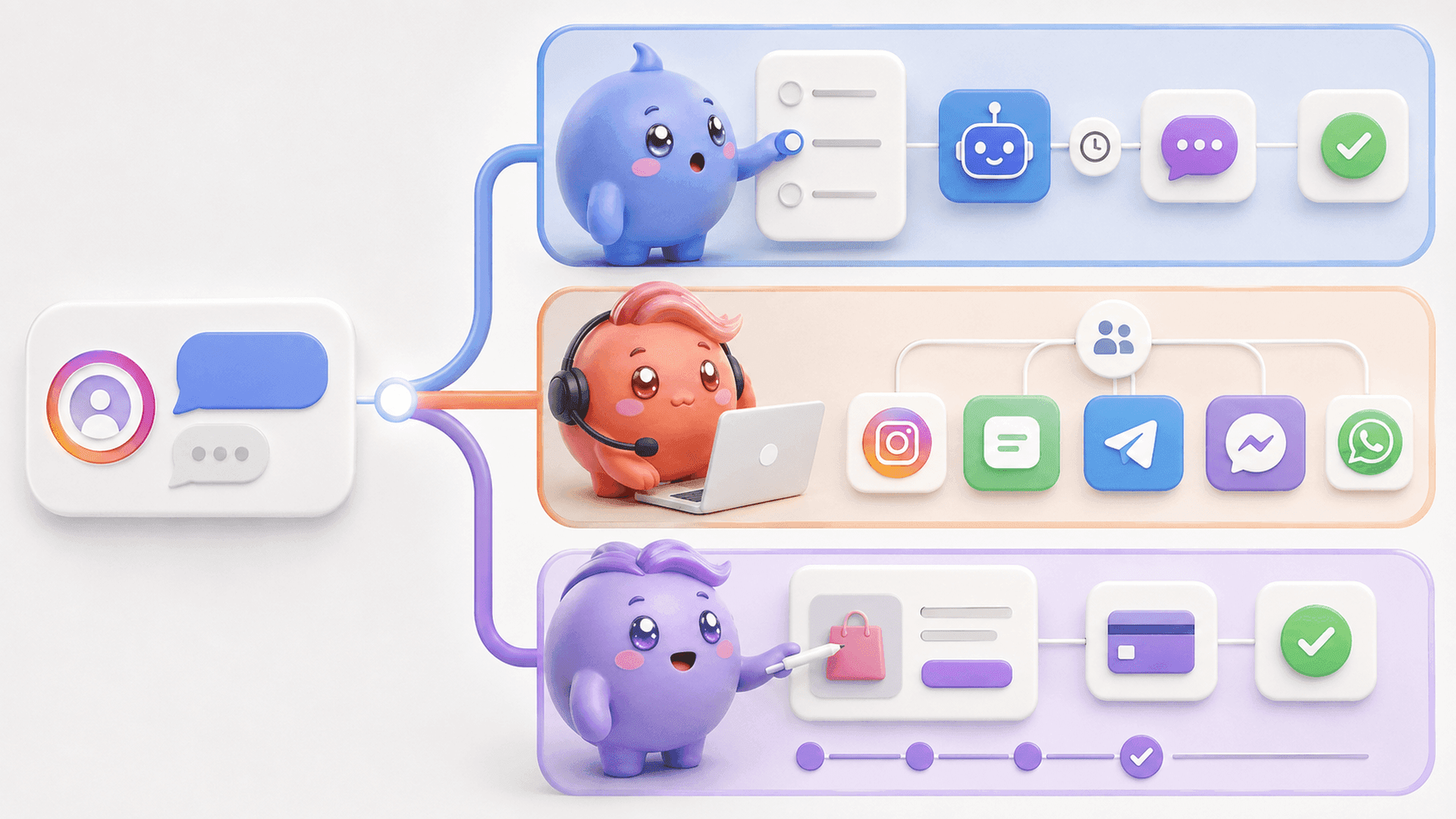
That difference matters, but it is not the most important decision. The bigger question is what you want somebody to do after seeing the post. A sponsored post can send people to a page, encourage a profile visit or begin a conversation. For coaches, creators and digital-product businesses, that conversation often happens inside Instagram DMs.
A viewer sees a useful Reel, taps through to the profile or responds to the call to action. The paid placement has done its first job: it created attention. The business still has to turn that attention into a useful next step.
When does sponsoring a post make sense?
Paying to distribute a post makes the most sense when the content already communicates one clear idea and naturally leads somewhere. Strong candidates often do one of the following:
- Explain a problem your ideal customer already recognizes.
- Teach a useful lesson connected to the offer you sell.
- Answer an objection that stops the right people from taking action.
- Invite interested viewers to ask a question or request a relevant resource.
A post is a weaker candidate when it attracts broad attention but gives the viewer no reason to continue. More reach will magnify whatever is already present. If the message is vague, paid distribution usually creates more vague attention.
Before spending money, write the journey in one sentence: the right person sees this post, recognizes this problem and takes this next action. If that sentence is difficult to complete, the post probably needs a clearer message or CTA first.
If your sponsored content already brings people into the inbox but good conversations get buried, try Mochi free for 7 days and organize the leads you already have.
How to create a sponsored post that starts useful conversations
The mechanics of launching paid content can change, but the principles behind a useful sponsored post are more stable. Start with the person, the problem and the next action before thinking about reach.
1. Choose one specific audience
“People interested in business” is not a useful creative brief. A clearer audience might be coaches who receive plenty of Instagram messages but forget follow-ups, or creators who get comments from potential buyers but cannot tell which conversations become sales.
The audience affects the hook, example and offer. If the post could apply to almost anyone, it may not feel important to the people you most want to reach.
2. Promote a problem, lesson or outcome
A sponsored post has to earn attention from somebody who may not know you. Open with a situation they can recognize quickly. For example, a coach may relate to having a full Instagram inbox while qualified people still wait for replies.
Then make the post useful. Explain why the situation happens, give the viewer a practical insight and show the next step. Do not make the whole post a pitch. Paid reach does not remove the need to teach something worth watching or reading.
3. Give the viewer one next action
A sponsored post becomes harder to act on when it asks people to visit a profile, click a link, leave a comment and send a DM at the same time. Choose the action that best matches the offer and the viewer's level of interest.
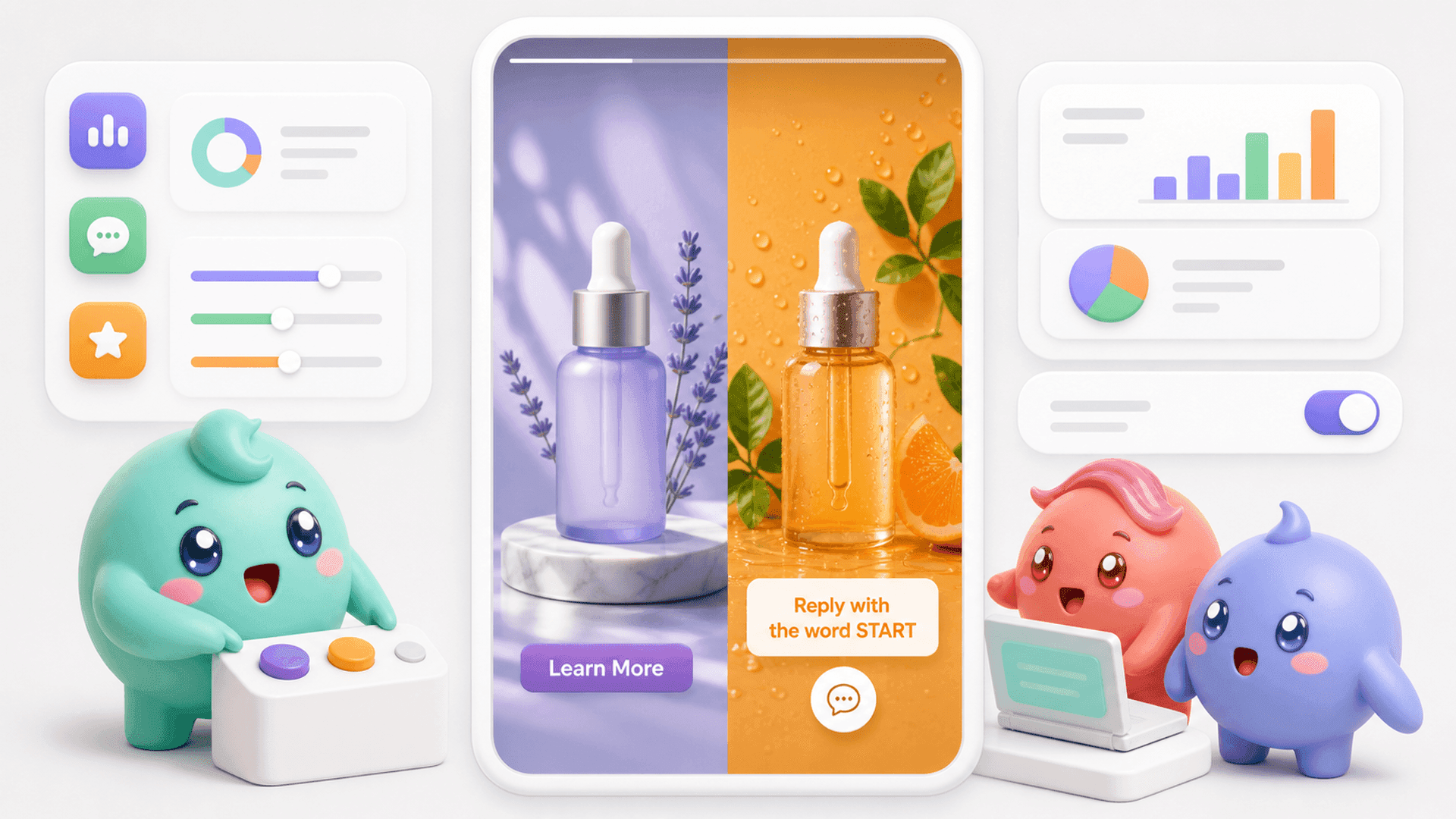
If you want to begin a DM conversation, make the invitation specific. Tell the viewer what they can ask for or what question they should answer. A clear prompt gives the person handling the inbox a natural place to begin.
4. Plan what happens after the response
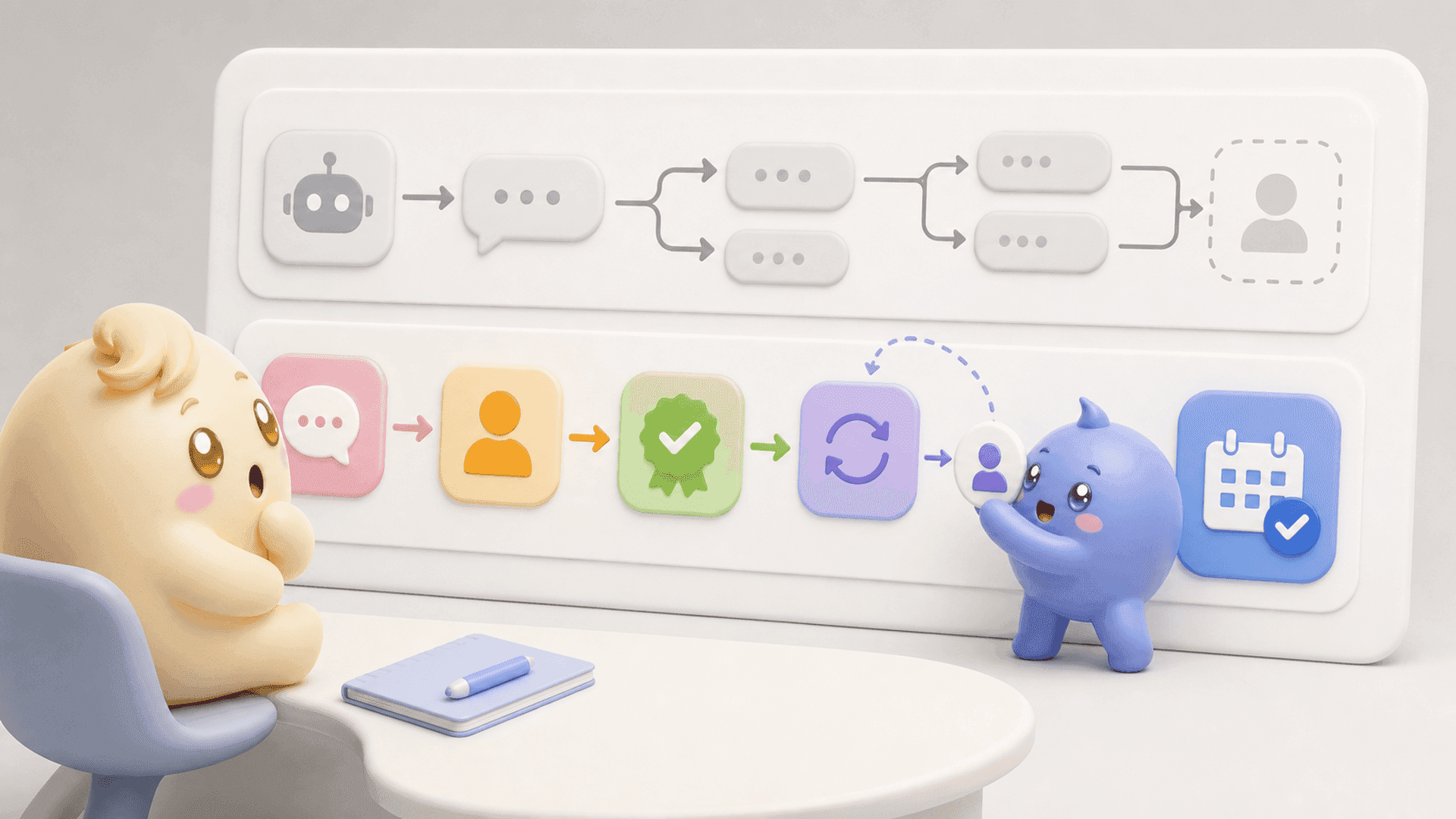
This is the step many campaigns miss. The business prepares the post, audience and budget, but not the conversation that follows. Before launch, decide:
- Who will respond to new conversations?
- Which questions help determine whether somebody is a good fit?
- What makes a lead worth prioritizing?
- When should the team follow up?
- When should it send a calendar or checkout link?
If many people respond at once, an automated first message can acknowledge the action while interest is fresh. But the first message is only the beginning. Somebody still needs to understand the person, continue the conversation and move the right leads toward a call or purchase.
5. Prepare multiple useful variations
A single result cannot tell you much about why a post worked or failed. Test meaningful differences such as the opening problem, the creative format or the CTA. Avoid changing everything at once. Keeping most of the journey consistent makes the lesson easier to interpret.
The goal is not simply to find the post with the cheapest response. It is to learn which message brings people who continue the conversation and fit the offer.
Measure what happens after the sponsored post
Reach, views and clicks can help you understand delivery, but they do not show the full business result. A sponsored post can attract plenty of attention while creating almost no serious conversations. Another can look smaller and still bring people who qualify, book and buy.
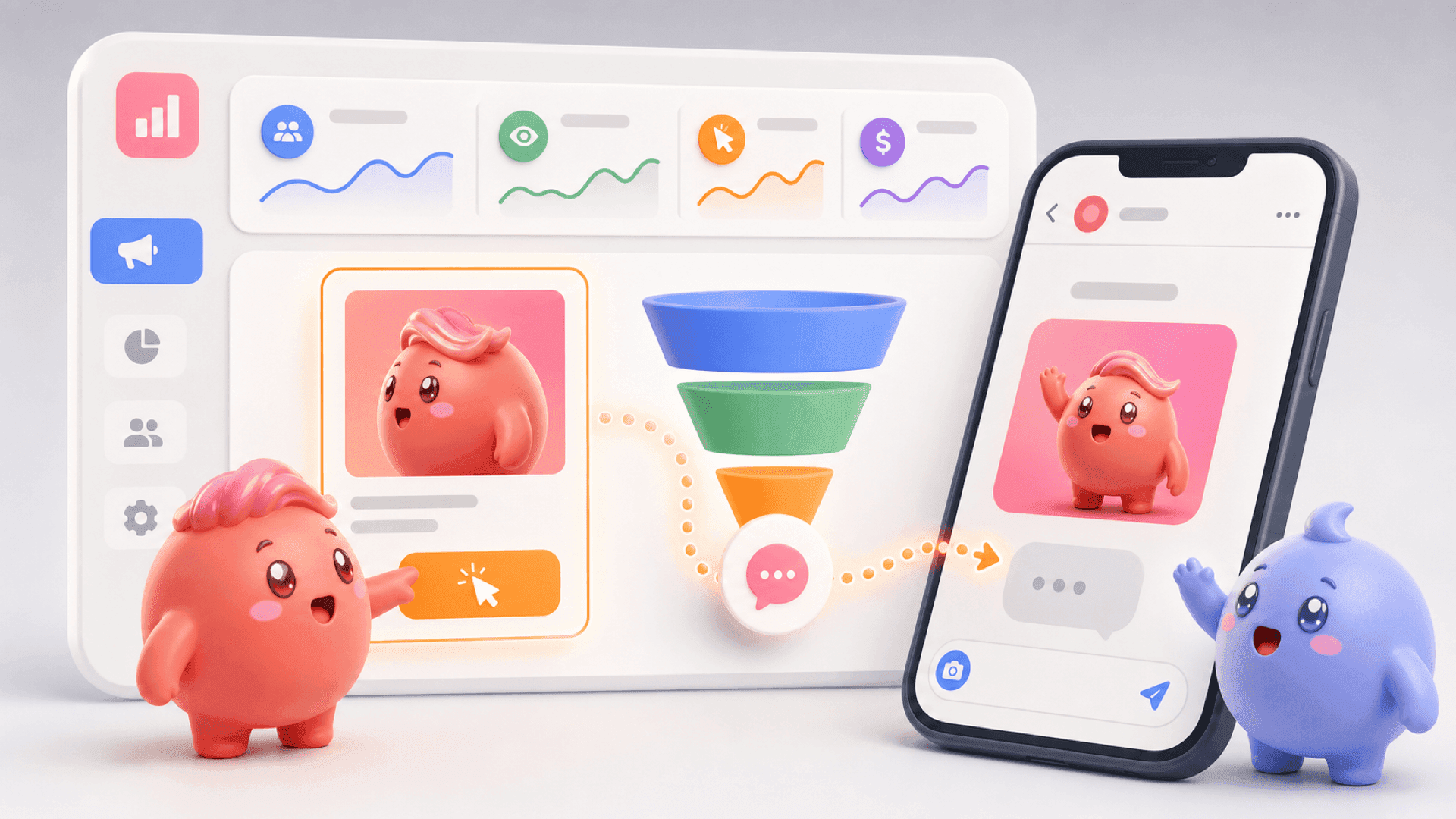
For a DM-led sales journey, measure the steps between attention and revenue:
- New conversations: How many people entered the DMs from the sponsored post?
- Active conversations: How many continued after the first message?
- Qualified leads: How many had the right problem and looked like a genuine fit?
- Links sent and opened: How many reached the booking or checkout step?
- Booked calls or customers: How many completed the action that matters to the business?
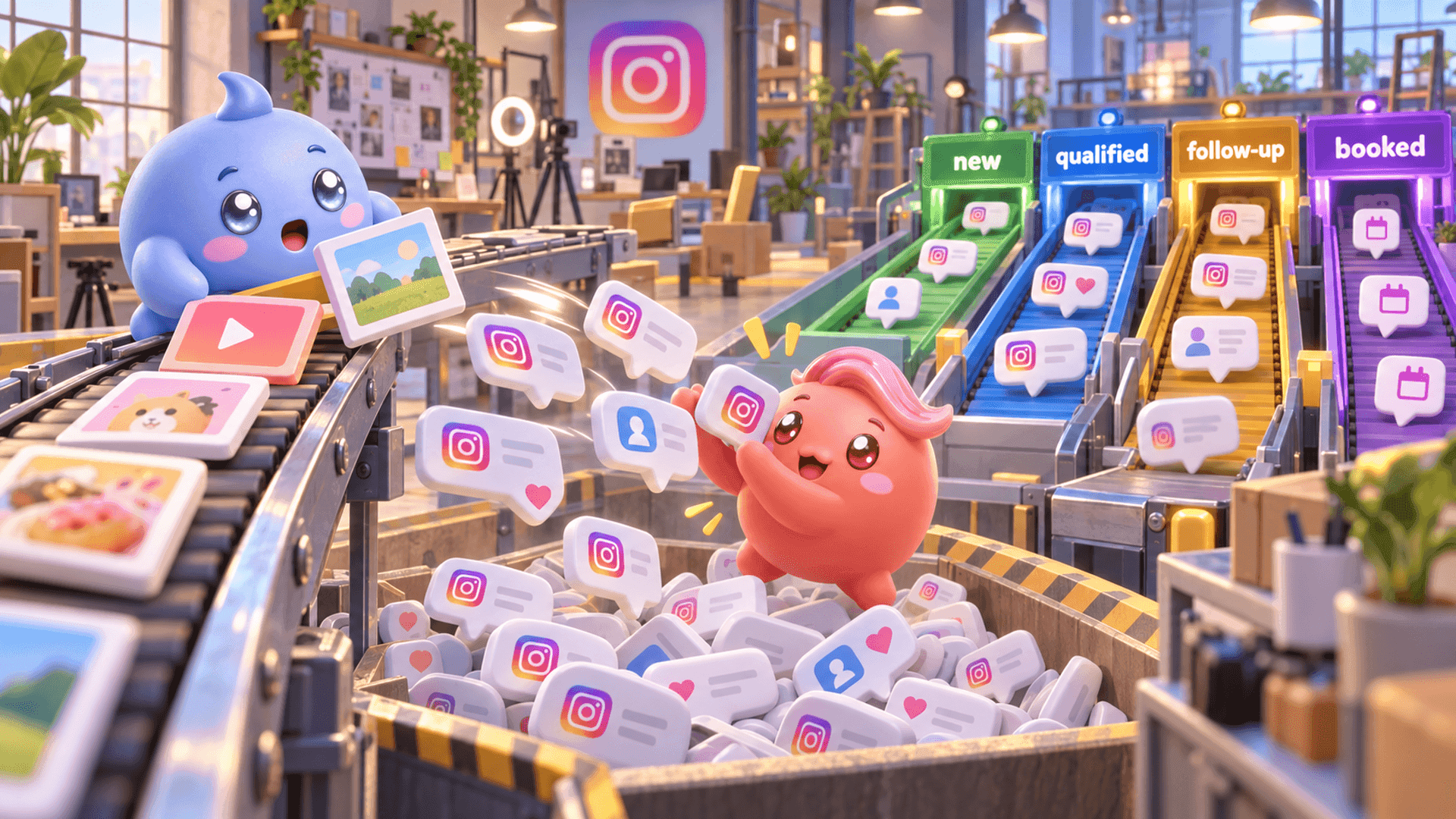
This sequence helps you locate the real problem. If the post generates very few conversations, the creative, audience or CTA may need work. If many conversations begin but few become qualified, the post may be attracting the wrong people. If qualified leads receive a booking link but do not book, the leak happens later.
Without that view, it is easy to blame the sponsored post for a problem inside the inbox or blame the team for a campaign that attracted poor-fit attention.
Why a busy inbox can waste paid attention
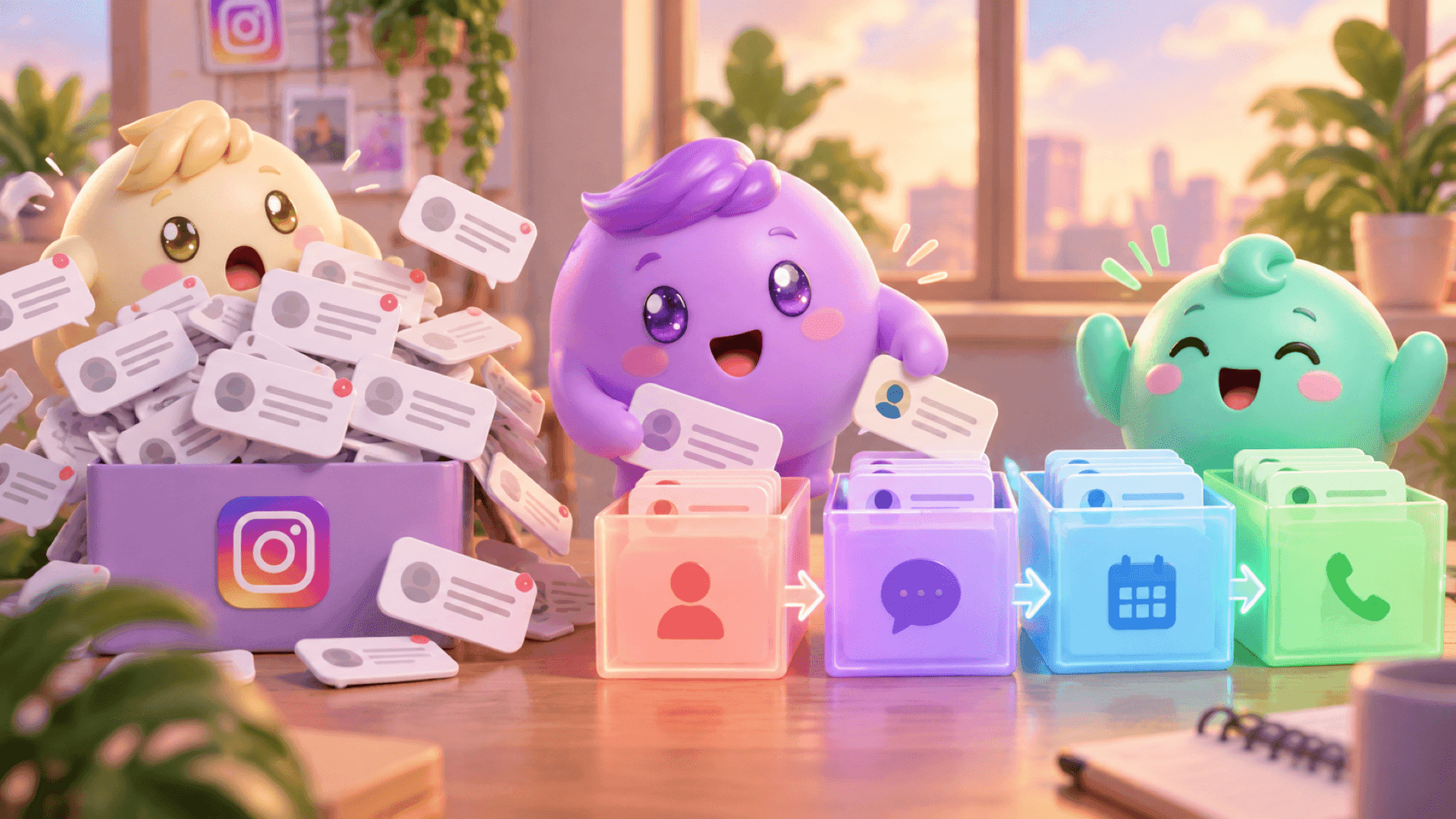
Instagram puts recent messages where they are easy to see. That can lead the person handling the DMs to work from newest to oldest. A new reaction or compliment may receive attention before somebody who already answered the qualifying questions and asked about booking.
More sponsored reach can make this worse. Every new response pushes older conversations lower, including people who were already close to the next step. The business pays to create more attention, but qualified people can still disappear because there is no clear system for priority and follow-up.
A simple manual improvement is to define lead stages, assign each conversation to one person and keep a daily list of qualified leads and promised follow-ups. The important principle is to work by sales priority, not only by message time.
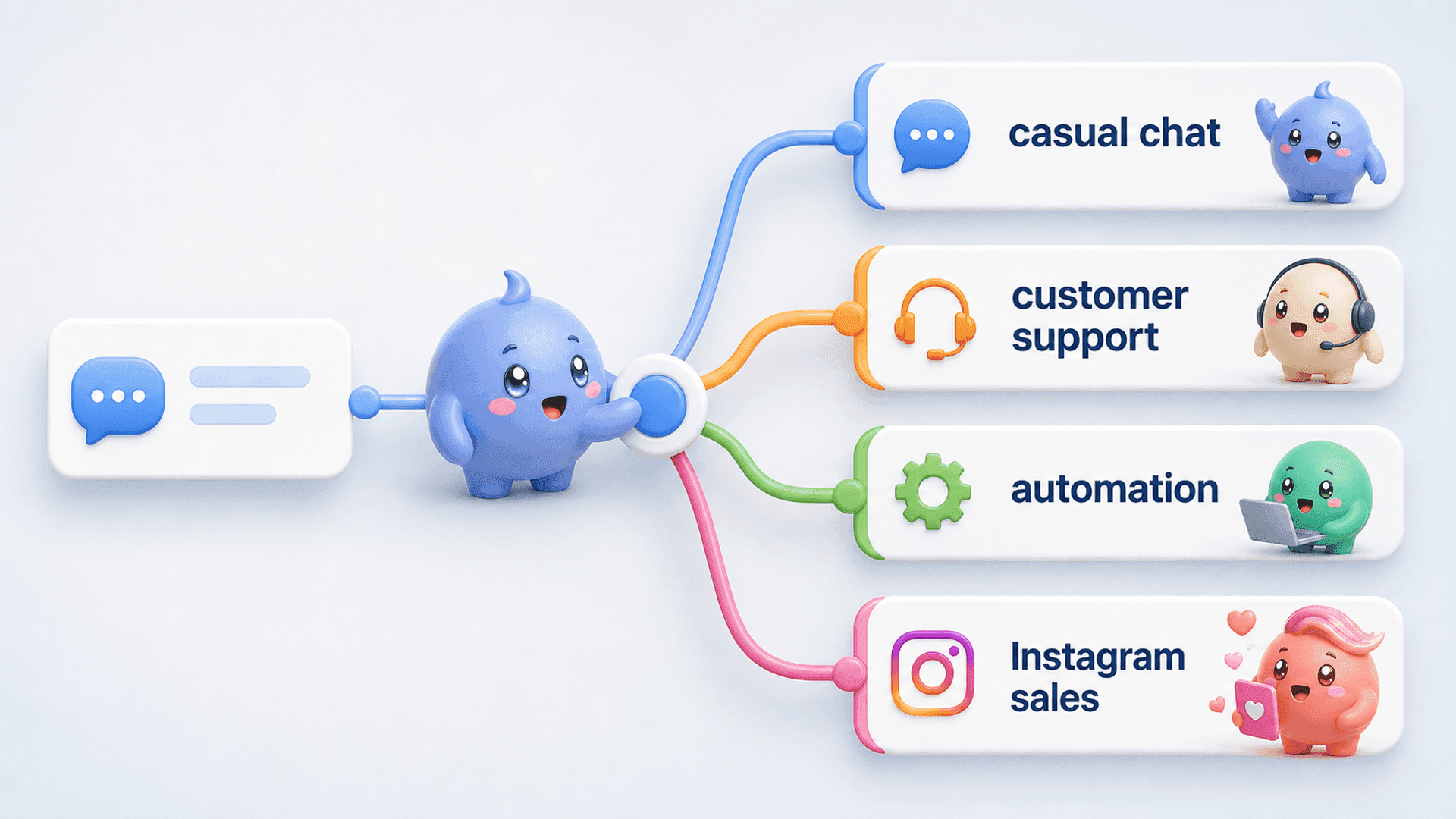
When volume grows, Mochi gives coaches, creators and digital-product teams a stronger workflow. Content Attribution connects the content source to the conversations, qualified leads, booked calls and customers it creates. Priority Inbox and Lead Filters help the team find important conversations instead of opening random recent messages. Scheduled Follow-Ups bring interested people back at the right time, while Calendar Link Tracking shows what happened after a booking link was sent.
If you want to connect sponsored content to the conversations and results it creates, start a 7-day free trial of Mochi.
A practical launch checklist
Before sponsoring a post, confirm that the complete path makes sense:
- The post speaks to one recognizable audience and problem.
- The viewer receives a useful idea before being asked to act.
- The post has one clear CTA.
- The team knows how to identify a qualified lead.
- Every conversation has a clear owner.
- Follow-ups have a defined time and message.
- The business can connect the post to conversations, qualified leads, booked calls and customers.
- Future decisions will be based on business outcomes, not views alone.
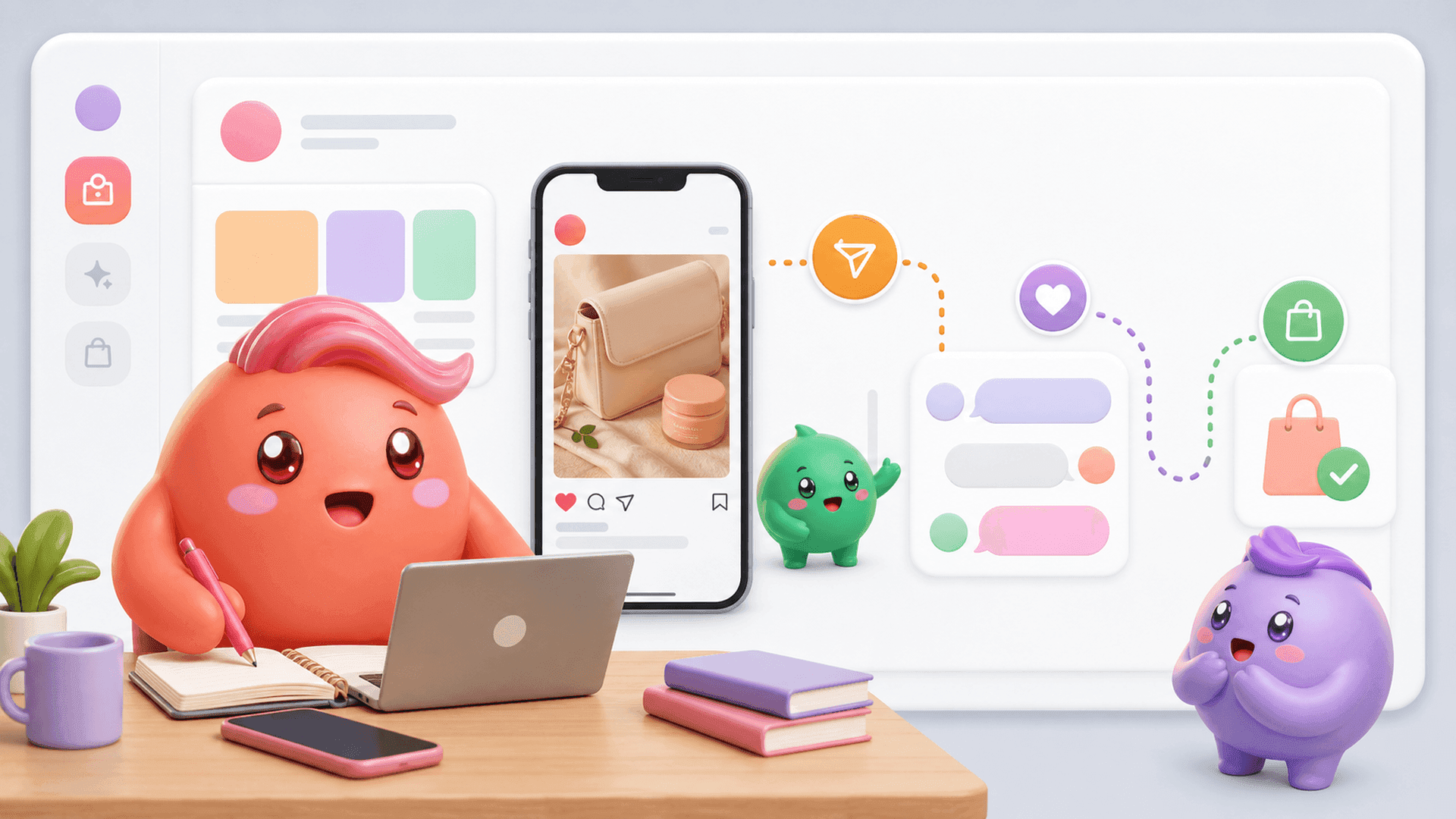
Instagram sponsored posts are not just a way to buy more visibility. For a business that sells through DMs, they are the beginning of a sales journey. The post creates the opportunity, but the inbox determines whether that opportunity becomes a real conversation, a booked call or a customer.
Start with content that deserves wider reach. Give the right viewer a clear reason to respond. Then make sure the business can find, understand and follow up with that person after they enter the DMs.
If paid attention is already reaching your Instagram account, make sure the best conversations do not disappear underneath the next wave of messages. Try Mochi free for 7 days and turn your existing inbox into a clearer DM sales process.