Instagram CRM: How to Turn DMs Into a Real Sales System
Blog

What is an Instagram CRM?
An Instagram CRM is a system for managing the people and sales conversations that come through Instagram. Instead of treating every direct message as another item in a crowded inbox, it records who the person is, what they need, where they came from and what should happen next.
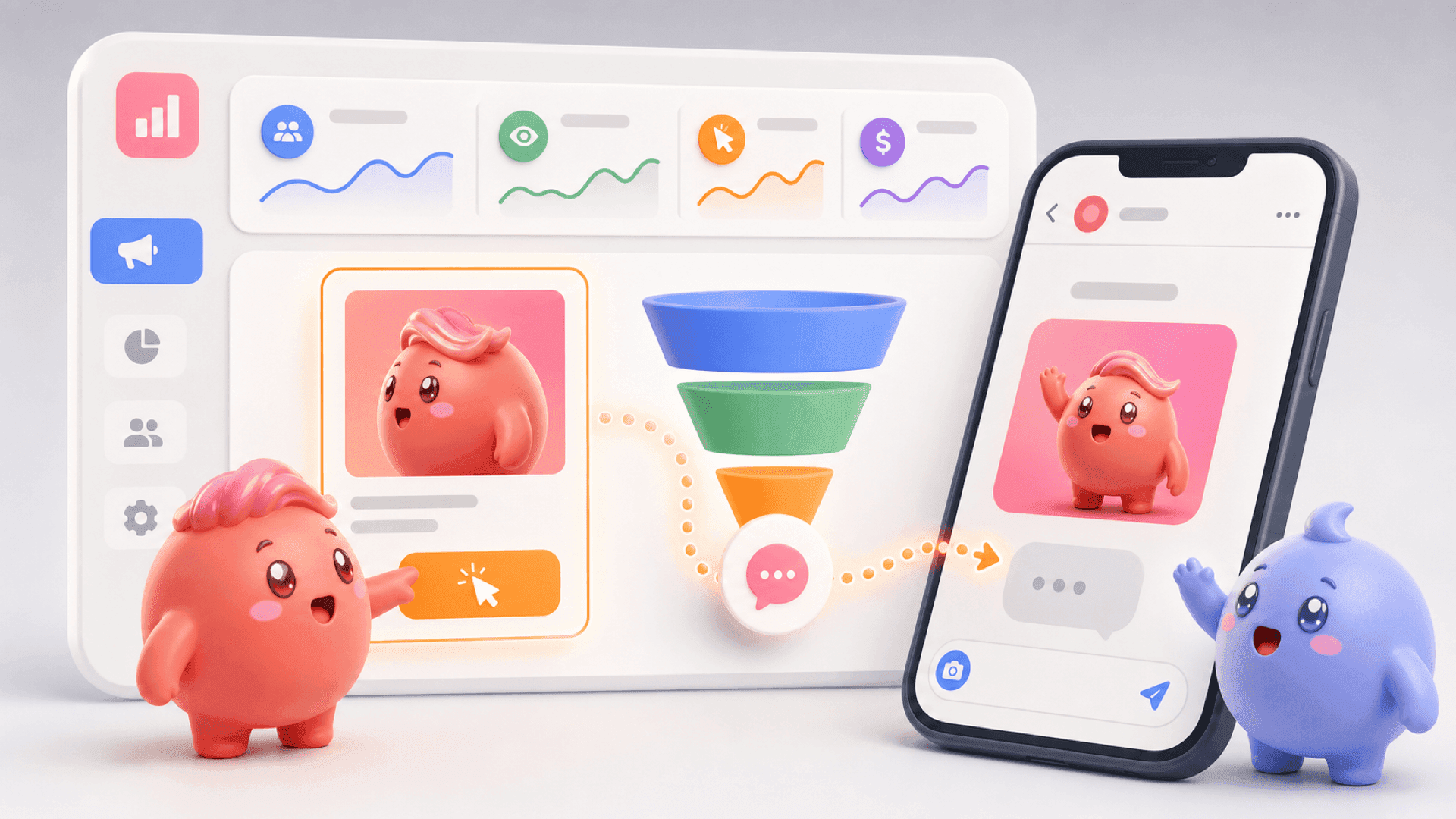
That distinction matters for coaches, creators and digital-product businesses. A Reel might ask viewers to comment for a guide. A Story might invite people to send a DM. An ad might start another group of conversations. Once people enter the inbox, the business still needs to identify good fits, answer questions, follow up and move the right people toward a call or purchase.
Instagram can hold those conversations, but a busy inbox does not automatically become a sales process. New messages appear above older ones, important context is buried in chat history and the founder cannot easily see how many people became qualified or booked.
A useful CRM for Instagram adds structure around that work. It should help the person handling the DMs:
- see which conversations deserve attention first;
- record each lead's stage and owner;
- remember important details and next steps;
- schedule and complete follow-ups;
- track what happens after a calendar link is sent;
- connect conversations to booked calls or customers; and
- show which content, scripts and team activity create results.
If qualified conversations are already disappearing beneath random new messages, try Mochi free for 7 days and organize the leads already inside your Instagram inbox.
Why an Instagram inbox stops working as a CRM
A normal inbox can work while the founder remembers every conversation. The problem usually appears when content starts bringing in more replies, the business hires someone to help or several campaigns generate DMs at the same time.
Recency replaces priority
Instagram puts the newest message near the top. That makes it natural to reply to a fresh compliment or emoji before returning to someone who already answered the qualifying questions and wants to book. The team can be busy all day while the most valuable conversations wait.
Context gets buried
A lead may explain their goal, objection or preferred timing early in a long conversation. Days later, the next reply is written from the last message alone. A generic “Are you still interested?” can make a warm lead feel as though nobody listened.
Follow-ups depend on memory
Keeping a chat unread, writing a note elsewhere or trusting someone to remember tomorrow may work with a few leads. It becomes unreliable when dozens of new messages arrive before the follow-up is due.
The result stays invisible
Message counts do not reveal whether the conversations produced qualified leads, calendar-link clicks, booked calls or customers. Without stages and outcome tracking, the founder may ask for more content or more leads when the existing sales process is already losing good people.
The core problem is not that Instagram cannot start conversations. It is that the inbox alone does not show priority, ownership, progress and outcomes in one dependable process.
What to look for in a CRM for Instagram
The right choice depends on the job you need the system to do. Some tools are designed mainly to capture contacts. Others focus on automations, a shared support inbox or a broad company-wide CRM. If Instagram DMs are a sales channel, judge the tool by what happens from the first message to the booked call or purchase.
- A priority-based inbox. The team should be able to find qualified leads, overdue follow-ups and people close to booking without opening chats at random.
- Clear stages and ownership. Each conversation should have a defined position in the sales process and one person responsible for moving it forward.
- Conversation context. The person replying should be able to understand the lead's goals, pain points, objections and important personal details without rereading the entire chat.
- Reliable follow-up controls. A follow-up should return at the right time, and a scheduled message should be skippable if the person replies first.
- Calendar-link tracking. The system should distinguish between a link being sent, opened and used to book so each lead receives the right next message.
- A visible sales pipeline. You should be able to see how many conversations become qualified, receive a call invitation, book and buy, rather than relying only on the final sales number.
- Source and content attribution. A popular post is not necessarily the post creating serious conversations. The system should connect each source to qualified leads, calls and customers.
- Team and script visibility. Managers need to see more than activity. They need to understand which replies, follow-ups and people handling the DMs are moving good leads forward.
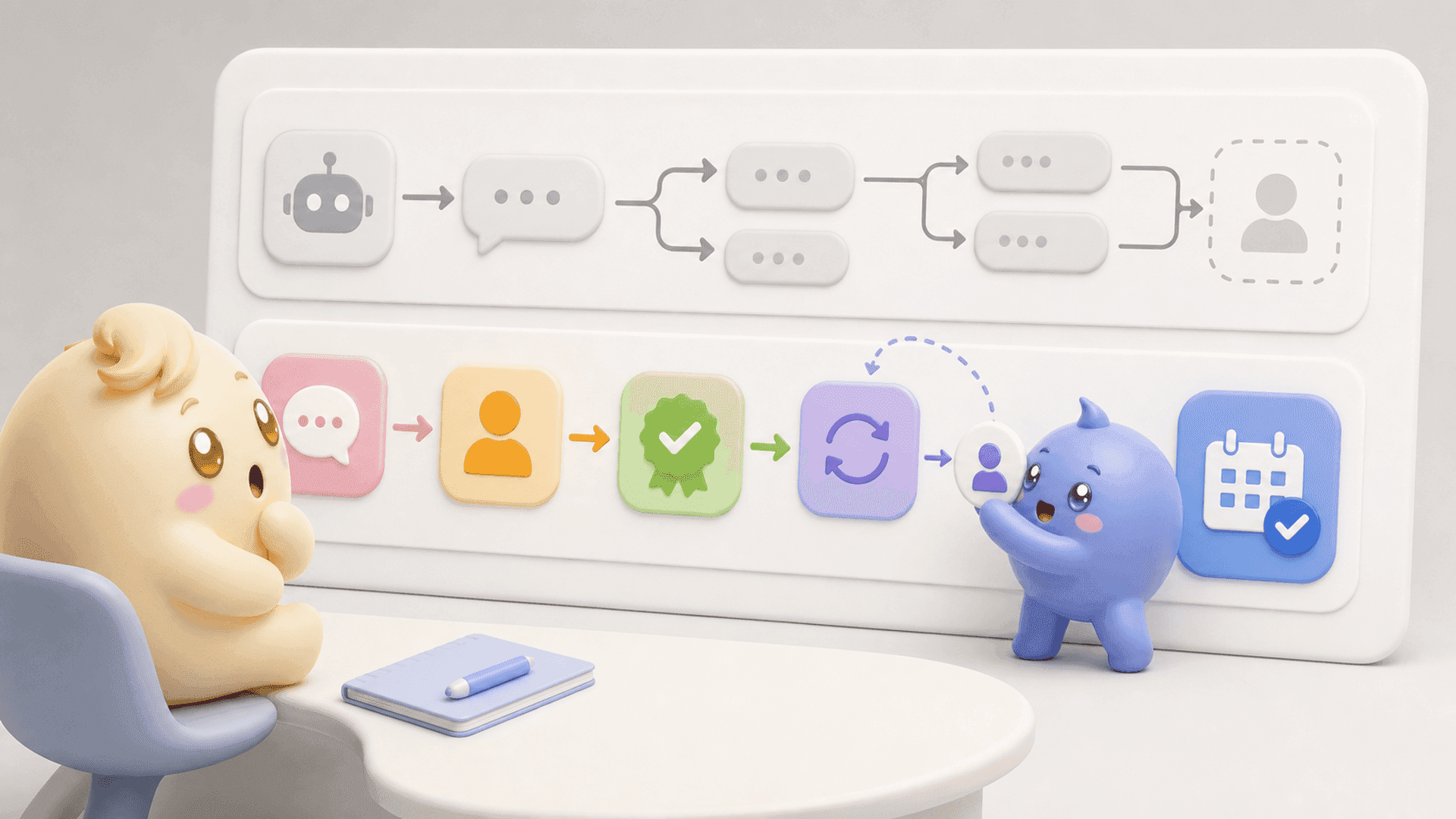
Before choosing a tool, map your real process on paper: new lead, in contact, qualified, call offered, calendar link sent, calendar link opened, booked and customer. Remove stages your business does not use and add the ones it does. Then test whether the CRM can reflect that journey without forcing the team into an unrelated pipeline.
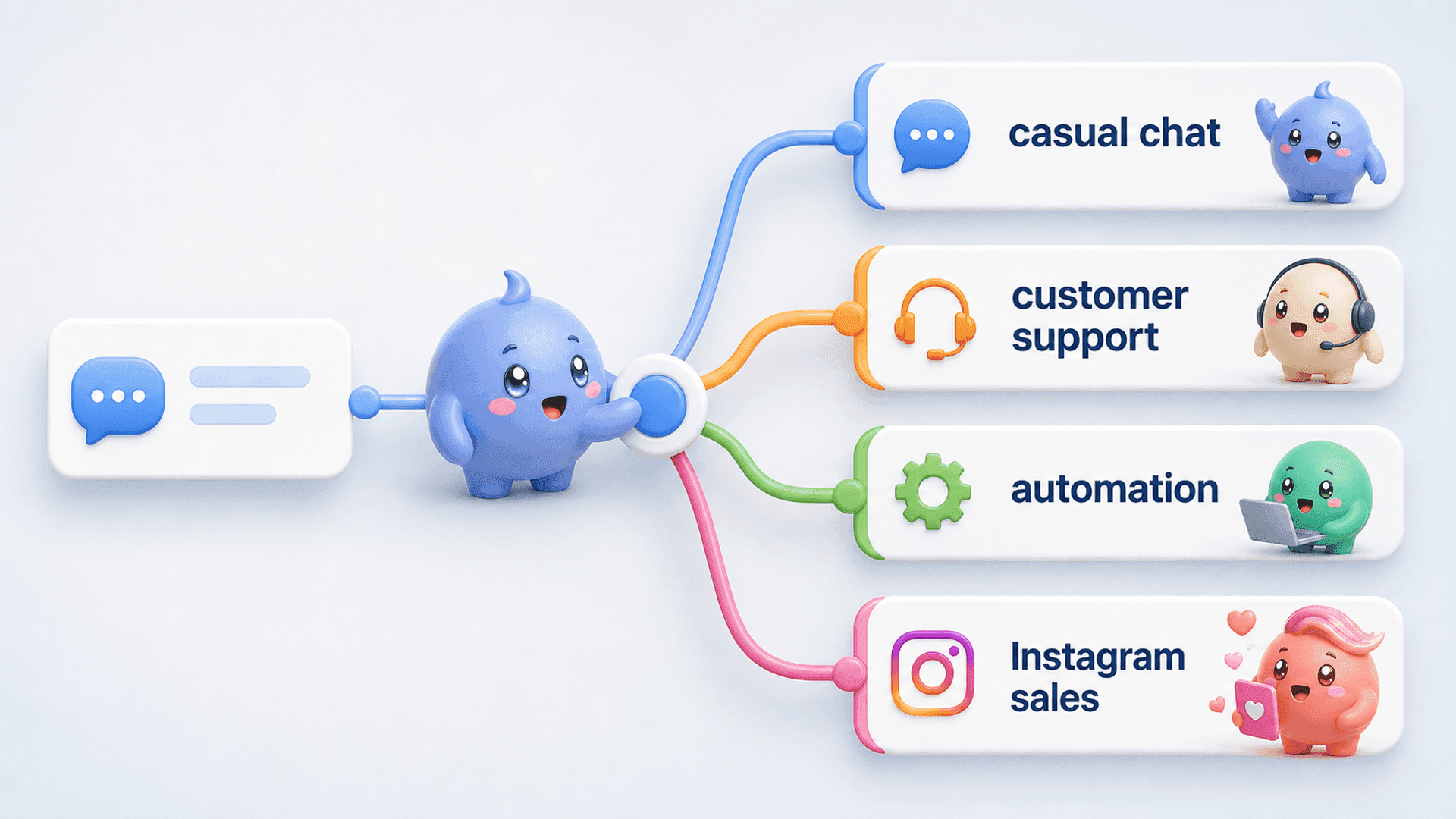
Also separate automation from sales management. An automated first response can open a conversation quickly, but the business still needs to qualify the person, remember context, follow up and measure the result. The strongest system covers the work around and after that first message.
How Mochi turns Instagram DMs into a sales system
Mochi is built specifically for coaches, creators and info businesses that sell through Instagram DMs. It brings the inbox, lead stages, conversation context and sales results into one operating system so the team can focus on the people most likely to move forward.
Instead of working from the newest message downward, the team can use the Priority Inbox and Lead Filters to open qualified conversations, scheduled follow-ups or leads assigned to a specific person. AI Tags can organize useful information from what people actually say, based on the business's own rules.
When someone needs a later reply, Scheduled Follow-Ups keep that next action out of the team member's memory. If the person answers early, the follow-up can be skipped. When a calendar link is sent, Calendar Link Tracking shows whether it was opened and whether the person booked, giving the team better context for the next message.
Mochi also makes long conversations easier to continue. Conversation Summaries surface the lead's goals, pain points, objections and important details, helping the next reply feel like it came from someone who listened.
For the founder, Custom Funnels and the DM Sales Pipeline show where conversations stop moving across the business. Content Attribution connects the original post or Story to the qualified leads, booked calls and customers it creates. That means the team can improve the part that is actually losing people instead of automatically asking for more attention at the top.
You can begin manually by defining stages, assigning every active lead, reviewing follow-ups daily and recording the outcome of each calendar link. When that process becomes too difficult to maintain inside Instagram, start a 7-day free trial of Mochi and run it with the conversations already entering your business.
The goal is not a tidier inbox
A clean inbox is useful, but it is not the final result. A good Instagram CRM helps the business stop losing qualified people between the first message and the next meaningful step. It gives the team a clear order of work, enough context to reply well and a way to see what produces calls and sales.
If Instagram is already an important sales channel, treat it like one. Try Mochi free for 7 days and see how many valuable conversations are already waiting inside your DMs.