Looking for a Chatwoot alternative? Choose based on what happens after the DM
Blog

A Chatwoot alternative should match the job you are trying to do
If you are searching for a Chatwoot alternative, it is tempting to compare tools through one long feature checklist. That approach often produces the wrong answer because a shared inbox, a customer-support system and an Instagram DM sales system solve different problems.
Start with the conversation that matters to your business. Do customers contact you across several channels because they need support? Do you mainly need a place where multiple team members can answer messages? Or does your business use Instagram content, Stories, comments, ads and outbound messages to start sales conversations?
For coaches, creators and digital-product businesses, the last workflow is common. A Reel may ask people to comment a keyword. A Story may invite followers to send a DM. The person handling the inbox then asks questions, works out whether the lead is a good fit, follows up and either sends a calendar link or helps the person buy directly.
In that situation, collecting messages in one place is only the beginning. The system also needs to help answer four practical questions:
- Who needs attention first?
- What has this person already told us?
- What should happen next?
- Which conversations, sources and team actions create booked calls or customers?
A tool can look capable on paper and still leave those questions unanswered. Before choosing an alternative, define the outcome you want from the conversations, not only the channels you want to connect.
Why a normal inbox breaks when Instagram becomes a sales channel
When a founder handles a small number of DMs, memory can carry much of the process. They know who asked about the offer, who is travelling this week and who should receive a follow-up tomorrow.
Then the content starts bringing in more conversations. The founder hires an appointment setter, usually called a setter, to ask questions, qualify leads, follow up and book calls. More team members may join later. At that point, the inbox has to support a real sales process.
The newest message is not always the most important
Instagram puts recent activity at the top. That means a new compliment or emoji can appear above a qualified person who has answered the important questions and asked about booking a call. If the team works from top to bottom, it can stay busy all day while valuable conversations wait underneath random new messages.
Context disappears between replies
A lead may have explained their goal, objection and timing several days earlier. If the next person replying only reads the latest message, the follow-up becomes generic. Asking “Are you still interested?” after the lead already said when they wanted to begin makes the conversation feel like nobody listened.
Follow-ups live inside someone’s memory
Teams often keep a chat unread, add a note elsewhere or trust themselves to remember it tomorrow. New messages arrive, the conversation moves down and an interested person is forgotten. The business does not necessarily need more leads at that moment. It needs to stop losing the good people already in the inbox.
The founder sees activity but not movement
Message counts and end-of-day reports can show that work happened. They do not necessarily show how many conversations became qualified, received a calendar link, booked or became customers. Without that path, a low booking rate can look like a lead problem even when the real issue is missed follow-ups or a weak step later in the conversation.
If this is the problem behind your search for a Chatwoot alternative, try Mochi free for 7 days and organize the sales conversations already entering your Instagram inbox.
What to look for in an Instagram DM sales system
A useful evaluation should follow the way a lead moves through the business. Test each option against the same real workflow rather than comparing isolated feature names.
- Prioritize conversations by sales stage. The team should be able to find qualified leads, people waiting for a follow-up and people who have already received a calendar link without opening chats at random.
- Give every conversation a clear owner. When several people share the inbox, each lead should have one responsible team member. This reduces duplicate replies and makes follow-up accountability clearer.
- Preserve the context behind the next reply. The person responding should be able to understand the lead’s goal, pain points, objections and important details without rereading a long message history.
- Make follow-up a visible process. Interested people should return at the right time. If a person replies before a scheduled message is due, the system should be able to prevent an unnecessary follow-up from sending.
- Track what happens after the calendar link. Sending a link is not the finish line. The team needs to distinguish between someone who received it, someone who opened it and someone who actually booked.
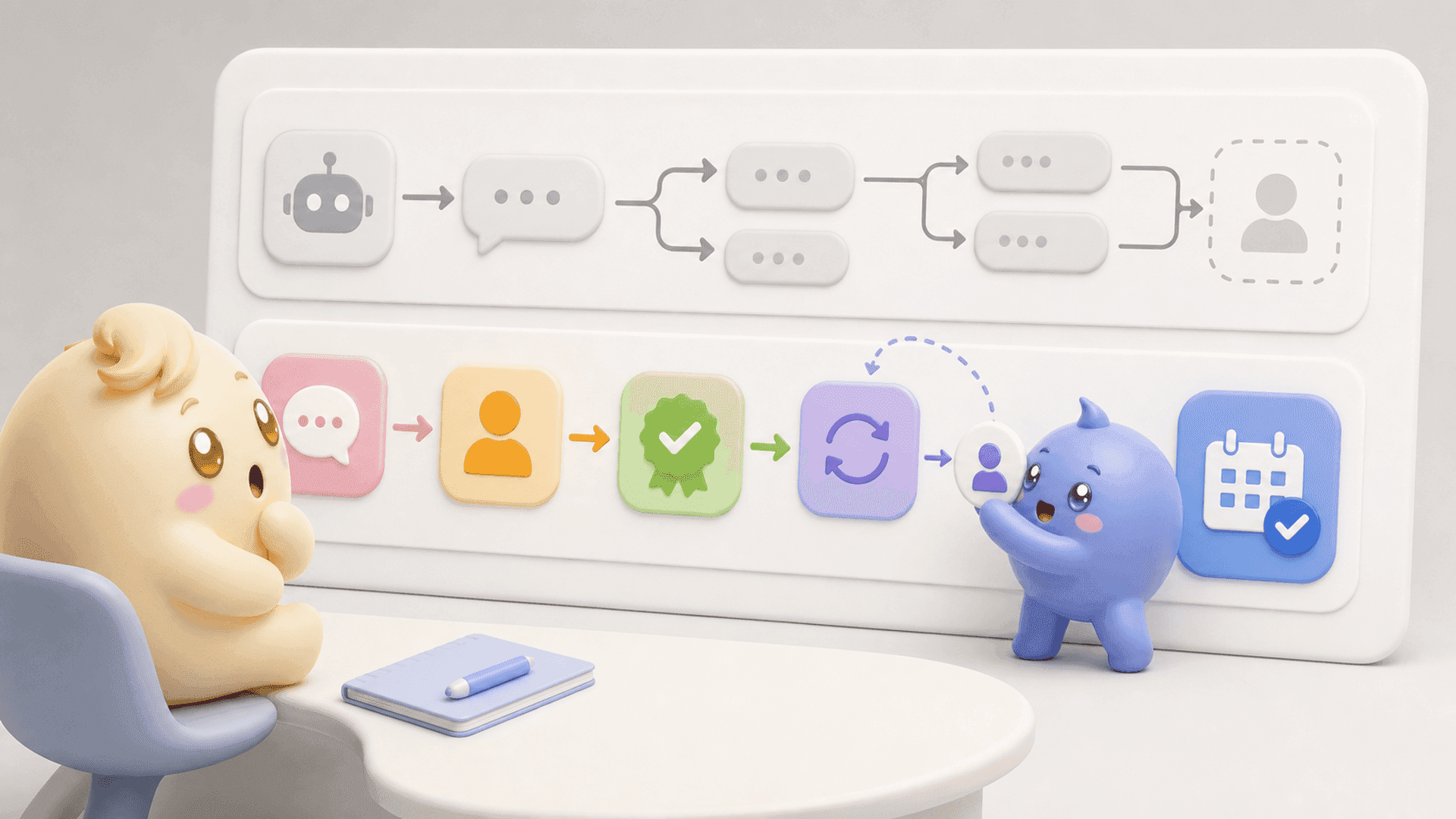
- Show the complete sales path. The founder should be able to see where people move forward or disappear between new conversation, qualification, calendar link, booked call and customer.
- Connect results to the source. Views and comments do not reveal which content brings serious prospects. The stronger system connects posts, Stories, ads and outbound activity to qualified leads, booked calls and customers.
- Measure outcomes, not only activity. Sending many messages is not the same as creating qualified booked calls. Team reporting should make that distinction clear.
You can improve some of this manually before changing tools. Define your sales stages, assign an owner to every active lead, create a daily follow-up list and review how many qualified people move to the next step each week. This will expose the exact gaps your new system needs to solve.
It also gives you a better buying test: load a real Instagram sales scenario into every shortlisted option and see whether the team can identify the next five conversations that deserve attention. A polished dashboard matters less than whether the right person receives the right reply at the right time.
Where Mochi fits as a Chatwoot alternative
Mochi is built specifically for coaches, creators and info businesses that sell through Instagram DMs. It is not trying to be a generic system for every sales and support channel. Its purpose is to help the team turn more existing Instagram conversations into qualified booked calls or customers.
Start with the right people
Mochi’s Priority Inbox organizes conversations by stages such as new lead, in contact, qualified, follow-up, calendar link sent, booked call and customer. Lead Filters let the team narrow that list by stage, tag, owner, date or source. AI Tags can read what a person said and apply labels based on rules the business defines.
Together, these features turn the inbox into a work list. Qualified leads no longer have to sit underneath whichever message arrived most recently.
Continue with context
Conversation Summaries bring forward important details, including the person’s goals, pain points, objections and what has already happened. The AI Reply Assistant can suggest a response using the full conversation and business context, while the person handling the DM still decides what gets sent.
This helps the team reply faster without making every message feel copied and pasted. It also makes handoffs easier when somebody else handled the earlier part of the conversation.
Move interested people forward
Scheduled Follow-Ups let the team prepare the next message while the conversation is fresh and skip it if the lead replies first. Calendar Link Tracking shows whether a link was sent, opened and followed by a booking. Custom Funnels let the business define its own stages and see where people stop moving.
If qualified people receive a link but do not book, the business can focus on that step. If they never receive the link, the team knows the problem occurs earlier. That is more useful than treating every disappointing result as a reason to create more content or buy more leads.
Understand what creates sales
The DM Sales Pipeline shows movement across the whole business. Setter Performance reports individual activity and outcomes, including qualified leads and booked calls. Content Attribution connects conversations and results to the posts, Stories, ads and other sources that started them. Script Testing compares the response rates behind messages the team uses.
The result is a clearer answer to the question that matters: not simply how many DMs the business received, but how many of the right conversations moved forward and why.
Is Mochi the right choice for you?
Mochi is a strong fit when Instagram is a serious sales channel and your main problem happens after people enter the DMs. That includes teams losing qualified leads under new messages, forgetting follow-ups, sending generic replies or guessing which content and team actions produce booked calls.
If your main requirement is a different workflow, evaluate alternatives around that requirement. The best choice is the one built for the job your team performs every day.
If you want to give your team a clearer way to prioritize, follow up and measure Instagram sales conversations, start a 7-day free trial of Mochi. Use it with the real conversations already entering your business and see whether more of the right people move forward.