Is a Zendesk Chatbot the Right Fit for Instagram DM Sales?
Blog
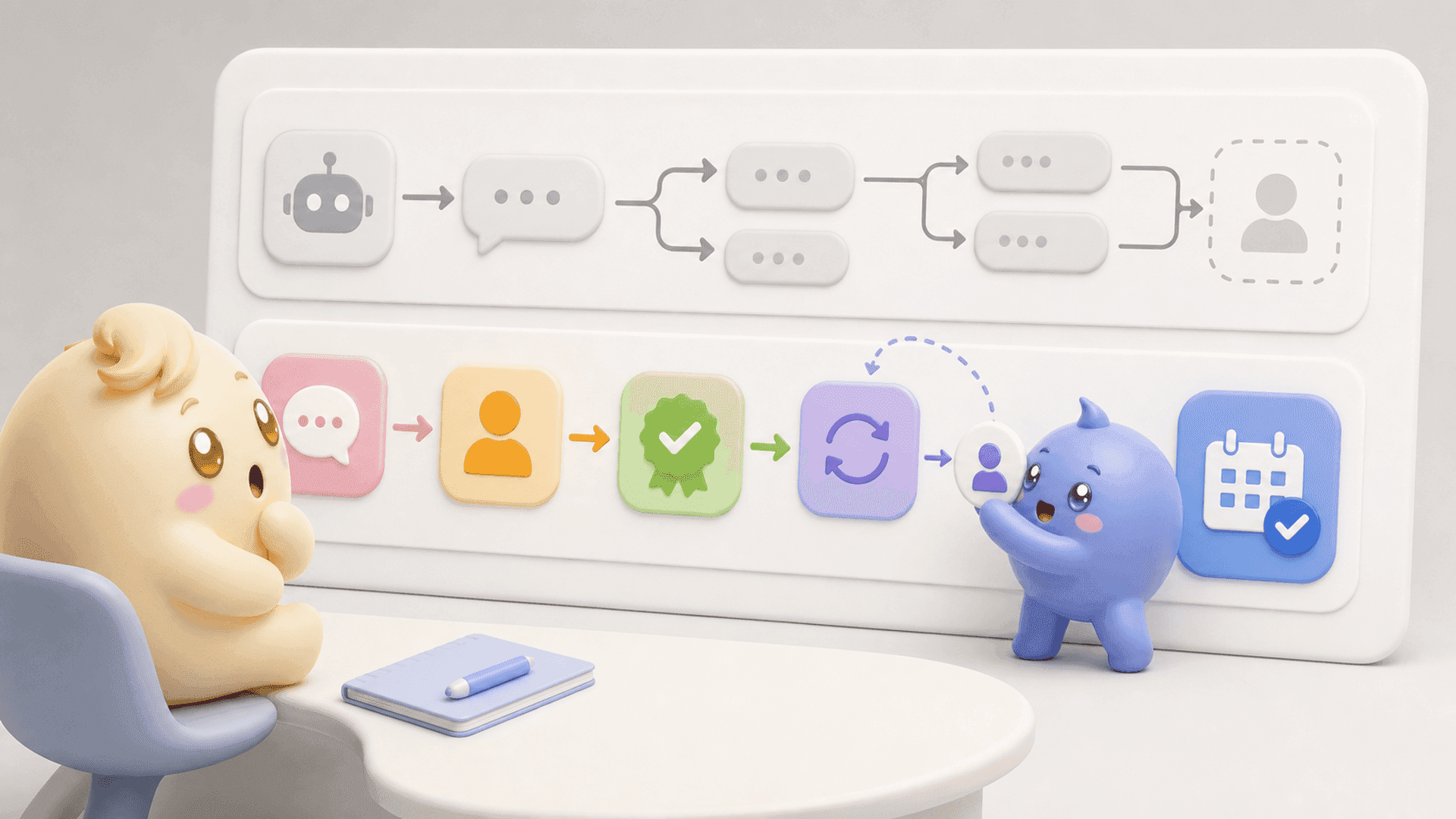
Before choosing a Zendesk chatbot, define the job you need done
If you are searching for a Zendesk chatbot, the first question is not which feature list is longest. It is what should happen after somebody starts a conversation.
For a customer-support team, success may mean answering a common question or directing somebody to the right resource. For a coach, creator or digital-product business selling through Instagram, the job is different. A person may reply to a Story, comment a keyword or send a DM after seeing a post. That first message is only the beginning.
The person handling the inbox still needs to understand the lead, ask useful questions, decide whether the offer is a fit, follow up and move the conversation toward a checkout or booked call. If several people manage the DMs, the business also needs to know who owns each conversation and what happened before.
That creates two separate jobs:
- Starting or answering a conversation: delivering an immediate response, handling a common request or routing the person.
- Running the sales journey: identifying qualified people, preserving context, completing follow-ups and seeing which conversations become calls or customers.
A chatbot may help with the first job. It should not automatically be assumed to solve the second. Before comparing products, map the complete journey you need to manage.
If your real problem is losing qualified Instagram conversations after they begin, try Mochi free for 7 days and organize the leads already inside your inbox.
Why a fast first reply is not the same as a working sales system
Imagine a creator publishes a Story and asks people to reply with a keyword. New conversations arrive quickly, and sending the first response immediately is valuable. It catches the person while their interest is fresh and prevents requests from being missed.
But the business does not make money merely because the first message was delivered. The important questions come next:
- Did the person reply?
- Do they have the problem the offer solves?
- Are they a serious and suitable lead?
- Who is responsible for continuing the conversation?
- Did the team follow up when promised?
- Was a calendar or checkout link sent?
- Did the person click, book or buy?
- Which post, Story, ad or outbound message started the conversation?
A normal Instagram inbox makes these questions difficult to answer. It puts recent messages at the top, so a new compliment can appear above a qualified person who already asked to book. The team can look busy all day while the most valuable conversations wait lower in the inbox.
Context also disappears easily. A lead might explain that they want to start after returning from a trip. When somebody follows up two weeks later without reading the full history, they may ask, “Are you still interested?” The lead already answered that question. The generic message makes it feel as if nobody listened.
The management problem is just as serious. A founder may know how many people entered the DMs and how many eventually bought, yet have no clear view of what happened between those points. More automation at the top does not repair missed follow-ups, weak qualification or calendar links that never become bookings.
The practical principle
Judge a chatbot by the complete outcome, not the first response. For Instagram DM sales, that means measuring how conversations move from new lead to qualified, booked and sold. A quick reply matters, but it is one step in a longer process.
A checklist for evaluating a Zendesk chatbot or any alternative
Product capabilities and integrations can change, so verify current details directly with each provider. Instead of comparing vague promises, use a workflow-based checklist built around the way your business actually sells.
1. Where does the conversation happen?
Confirm that the tool supports the channel and workflow you need. If Instagram is a major sales channel, ask whether your team can manage the relevant DM journey rather than merely receive a notification or send a basic response.
2. Can the team find the right lead first?
Look for a way to separate qualified leads, follow-ups, new conversations and people who have already received a calendar link. Useful filters might include stage, owner, date, source and business-specific tags. The aim is to turn the inbox into a clear work list.
3. Does important context survive handoffs?
A second team member should be able to understand the lead without scrolling through weeks of messages. Check whether the system keeps ownership clear and makes pains, goals, objections and previous actions easy to see.
4. Can follow-ups be managed properly?
Interested people often need time. Your system should bring those conversations back when promised. If messages can be scheduled, check whether they can be skipped when the person replies first. That prevents an outdated follow-up from arriving after the conversation has already moved on.
5. What happens after a link is sent?
Sending a booking link is not the finish line. A useful sales system should help the team distinguish between a link being sent, opened and used to book. Those stages require different follow-ups.
6. Can you see the complete funnel?
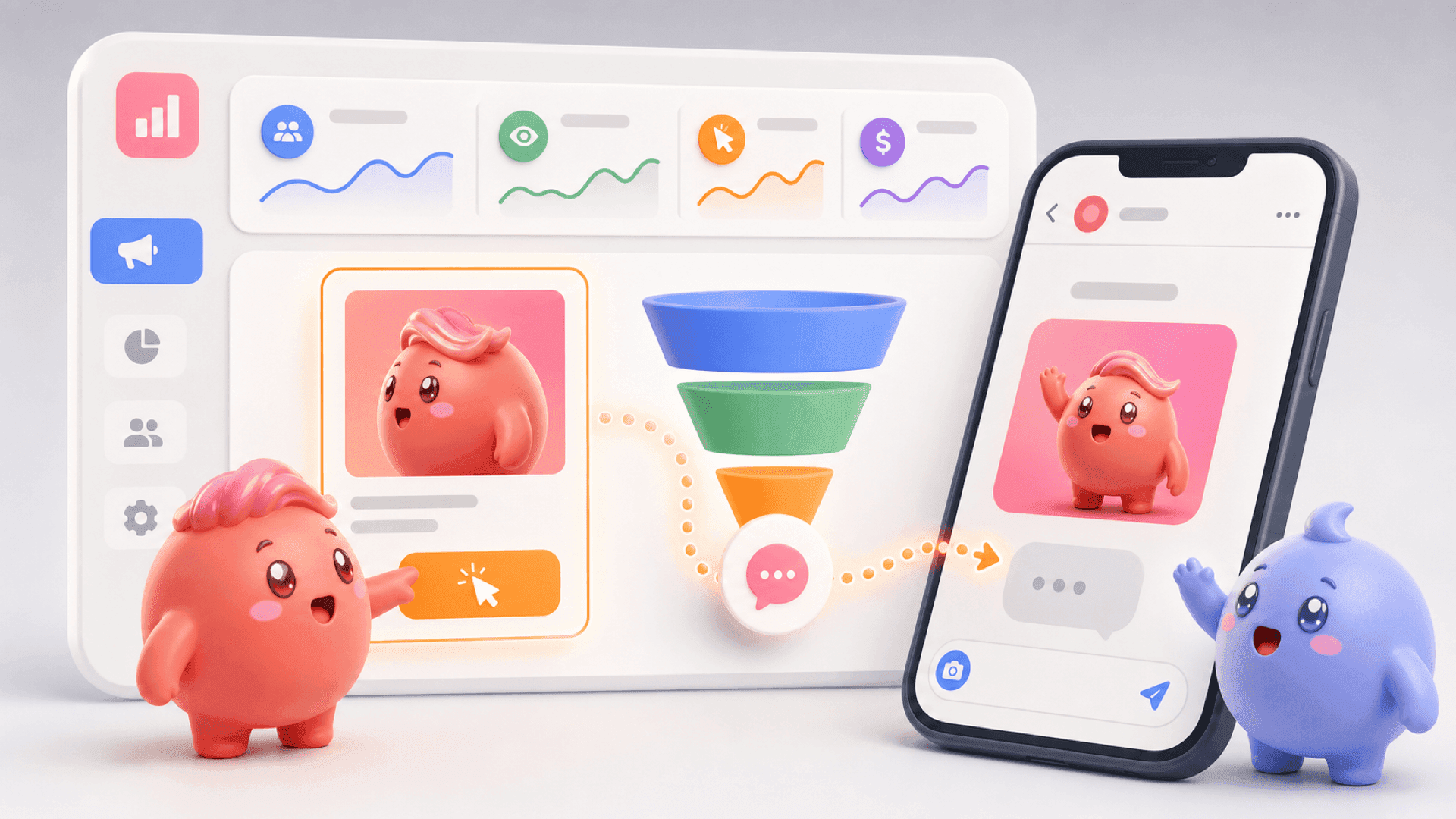
Track the steps that matter to your business, such as new lead, in contact, qualified, call pitched, calendar link sent, link clicked, booked call and customer. When results fall, this shows whether the problem is qualification, follow-up or the final booking step.
7. Can you connect results to their source?
Views and comments do not reveal which content creates customers. For an Instagram-led business, ask whether conversations can remain connected to the post, Story, ad or outbound activity that produced them.
8. Can managers coach without disrupting the inbox?
If several people handle DMs, managers need visibility into response times, follow-ups, qualification and booked calls. They should also be able to review real conversations without accidentally changing the workflow or making a lead appear handled.
Mochi brings these jobs into an Instagram-specific DM sales system. It helps the team organize conversations by stage and importance, filter exact groups of leads, keep useful context beside the conversation, schedule sensible follow-ups and track what happens after a calendar link is sent. Start a 7-day free trial if you want to test that workflow with your real Instagram conversations.
When Mochi is the stronger fit
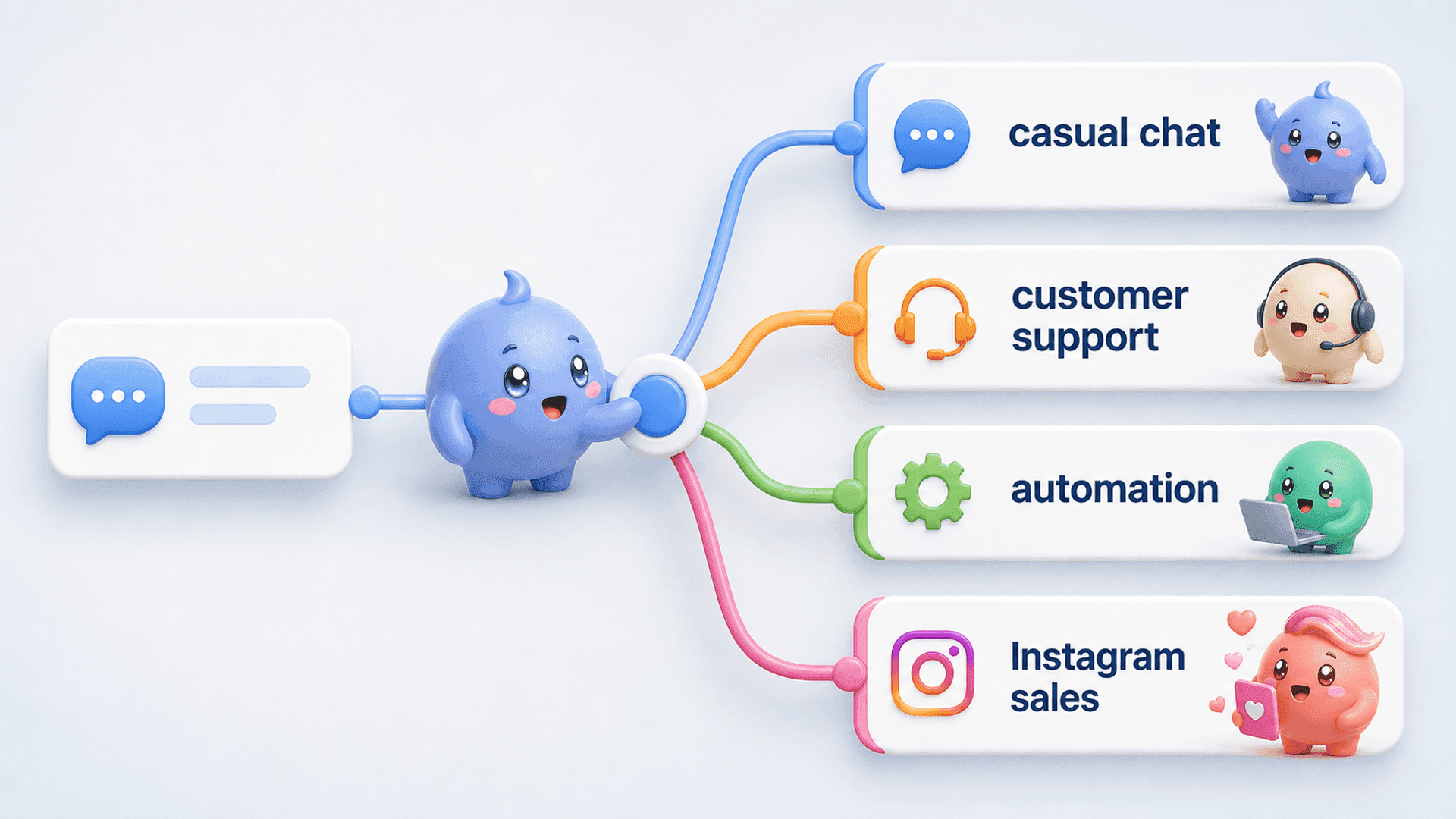
The right choice depends on the job. A general chatbot or customer-service platform may be appropriate when the main goal is handling support questions across the channels your business uses. Verify the provider’s current capabilities, integrations and terms against that requirement.
Mochi is built for a narrower problem: helping coaches, creators and info businesses turn Instagram DM conversations into qualified booked calls or customers. It is designed around what happens after and around the first message.
That difference matters when your business needs to:
- handle qualified leads before random new messages;
- give each conversation a clear owner;
- find leads by stage, tag, source, date or owner;
- keep summaries and important context available during handoffs;
- schedule follow-ups without sending them after the person replies;
- see whether calendar links were sent, opened and used to book;
- understand where people leave the DM sales funnel;
- connect content and outbound activity to qualified leads, calls and customers; and
- measure individual team members by meaningful outcomes rather than message volume alone.
You may not need to replace every tool you already use. A business can keep an existing automation for selected flows while using Mochi to manage qualification, ownership, follow-up and visibility after conversations start. The important decision is whether your current setup lets the team see and move the whole sales journey.
Make the decision with real conversations
- Write down the stages between a new Instagram DM and a customer.
- Review recent conversations and identify where qualified people were delayed or forgotten.
- List the numbers you can currently see without relying on screenshots or end-of-day reports.
- Test whether the proposed system makes the missing stages, owners and follow-ups clear.
- Choose the tool that improves the complete journey, not merely the first automated reply.
You do not always need more leads. Sometimes the good people are already inside the inbox, waiting for the right reply or follow-up. If that is the problem you need to fix, try Mochi free for 7 days and use it with the conversations already coming into your business.