7 ManyChat Examples for Better Instagram DM Campaigns
Blog

ManyChat examples should start conversations, not end them
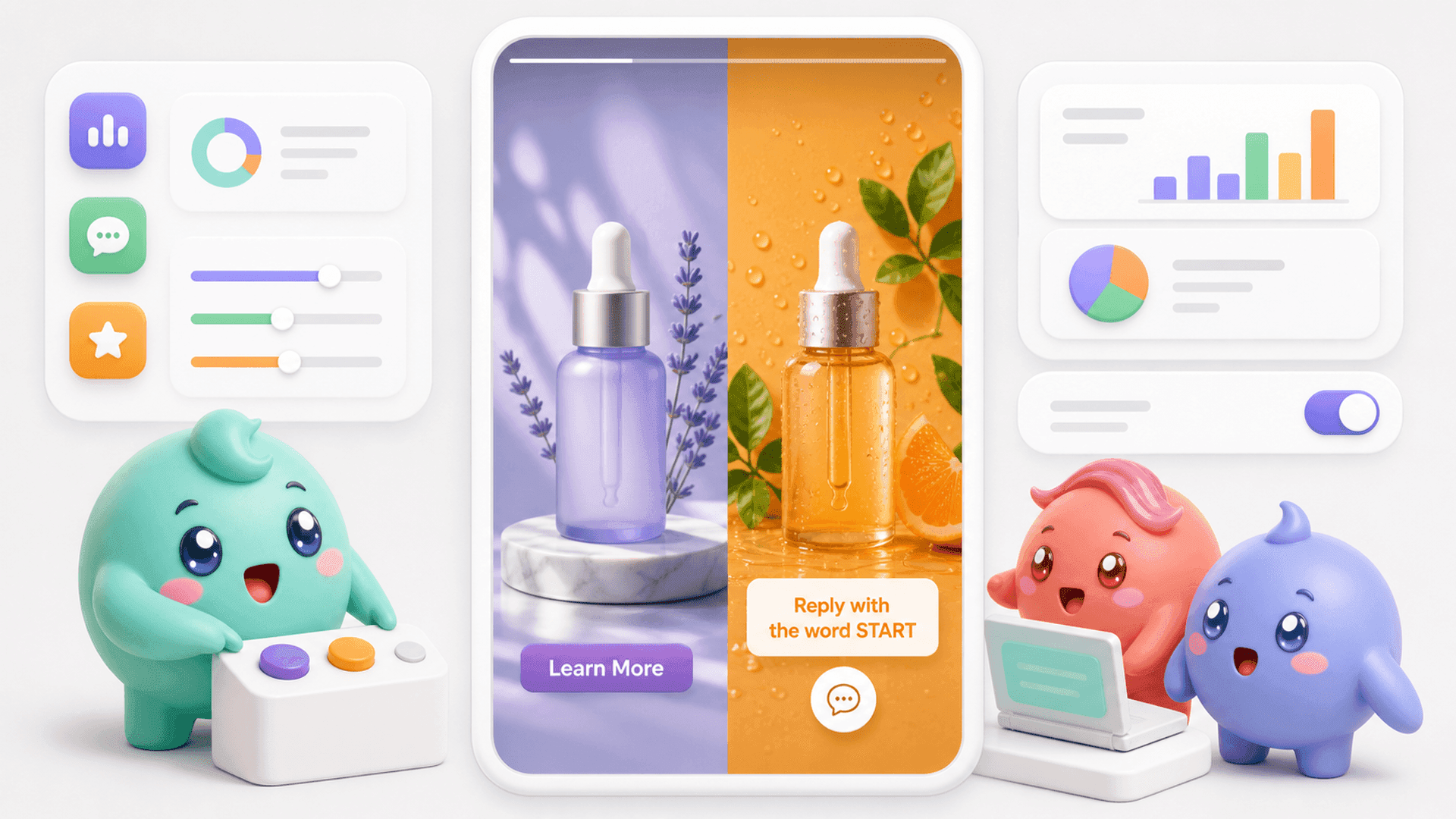
ManyChat is useful for starting and automating conversations. A person comments on a Reel, replies to a Story or takes another defined action, and an automated message can reach them while their interest is still fresh.
That first response matters. If 50 people ask for a guide after seeing your content, manually sending the same opening message 50 times is slow and easy to get wrong. Automation can make sure each person receives the promised resource and a clear reason to reply.
But the first message is not the whole sales process. After somebody responds, your team may still need to understand their situation, ask questions, decide whether the offer fits, follow up and move the right person toward a call or purchase.
Use the examples below as starting points. The strongest flow is usually short, specific and designed to hand a real conversation to a human at the right moment.
Before you build a flow
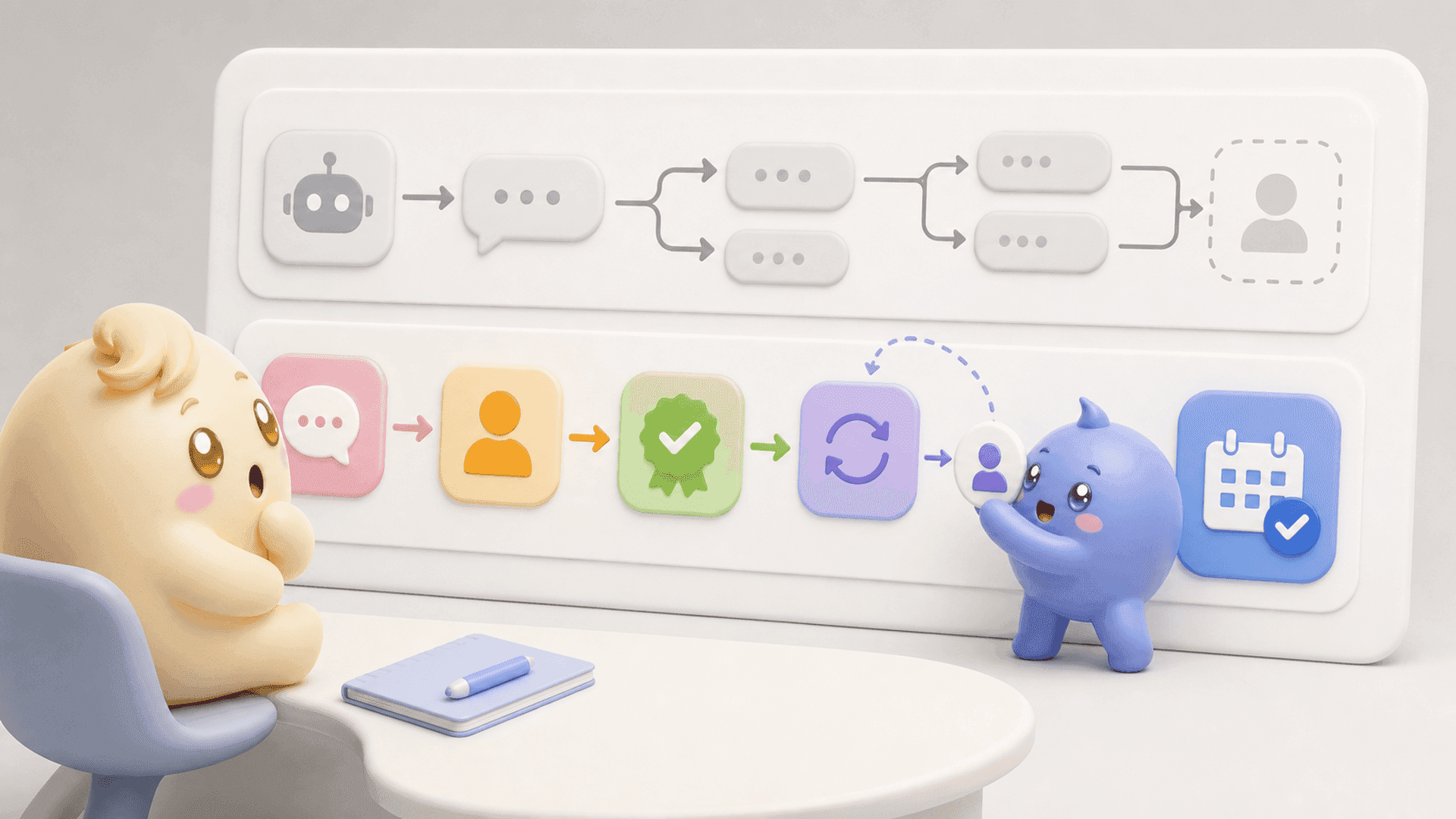
Decide what success means beyond sending the initial DM. Depending on the campaign, that may be a reply, a qualified conversation, a booked call or a direct sale. Then map the smallest useful path:
- Trigger: What action starts the automation?
- Delivery: What did you promise, and how will the person receive it?
- Response: What simple question can open a genuine conversation?
- Handoff: When should the founder or team member take over?
- Follow-up: What should happen if the person is interested but does not take the next step?
If you want one place to manage the conversations that begin after an automation, try Mochi free for 7 days and use it with the leads already entering your Instagram DMs.
7 practical ManyChat examples for Instagram
1. Comment-to-DM resource delivery
A coach publishes a Reel that says, “Comment GUIDE and I’ll send you the checklist.” The automation recognizes the keyword and sends the resource in a DM.
Do not make delivery the final step. Add one relevant question, such as what the person is trying to improve. Their answer gives the team a natural way to continue without jumping straight into a pitch.
Best handoff: A person replies with a specific problem that the offer can genuinely help solve.
2. Story reply conversation starter
A creator posts a sequence of Stories about a common problem and asks viewers to reply with a word to get a useful training. The automation delivers it immediately, even when many people respond at once.
Keep the opening connected to the Story they just watched. A generic greeting wastes the context that made them respond. The next question should help the person explain where they are stuck.
Best handoff: The viewer describes a goal, obstacle or timeline that deserves a personal response.
3. Lead magnet qualification flow
After sending a PDF, lesson or template, the flow asks one or two simple questions. For example, it could ask whether the person is solving the problem for themselves or for a business, followed by the result they want.
This is not a reason to interrogate people with a long sequence. Collect only the information needed to decide what should happen next. A shorter flow leaves room for a better human conversation.
Best handoff: The answers suggest the person may be a fit, or the person asks a question that needs judgment.
4. Webinar or training reminder
Someone requests access to a workshop from a post or Story. The automation sends the registration details and a reminder connected to the event.
The sales opportunity often appears after the training. Ask what the attendee found most relevant, then let a person respond to the answer. This turns a reminder flow into the beginning of a useful conversation rather than a chain of notifications.
Best handoff: The attendee replies with a problem, objection or request for help.
Use automation without losing the conversation
5. Frequently asked question route
A post invites people to ask about a program, course or service. The automation can give a clear first answer to a common question and help the person choose the relevant path.
Leave room for nuance. Questions about fit, timing or personal circumstances should move to somebody who can read the conversation and respond properly. The goal is to remove repetitive work, not force every person through the same script.
Best handoff: The question depends on the person’s circumstances or signals serious interest.
6. Application or call-booking flow
A qualified person asks about working together. The flow can collect a small amount of context and send the appropriate next step, such as a calendar link.
The important measurement is not whether the link was sent. It is whether the person opened it, booked and was genuinely a fit. If the team only records delivery, qualified people can disappear between receiving the link and choosing a time.
Best handoff: The person appears suitable, asks to speak with the team or opens the booking page without completing the booking.
7. Re-engagement after interest
A person requests a resource or starts answering questions but stops before the conversation reaches a clear next step. A thoughtful follow-up can bring the conversation back while the original context still matters.
Avoid sending a message that ignores what the person already said. If they explained that they were travelling or needed to wait until a certain date, the follow-up should reflect that. Automated timing can help, but context is what makes the message feel like somebody listened.
Best handoff: The person replies, raises an objection or confirms they want to continue.
A simple rule for every example
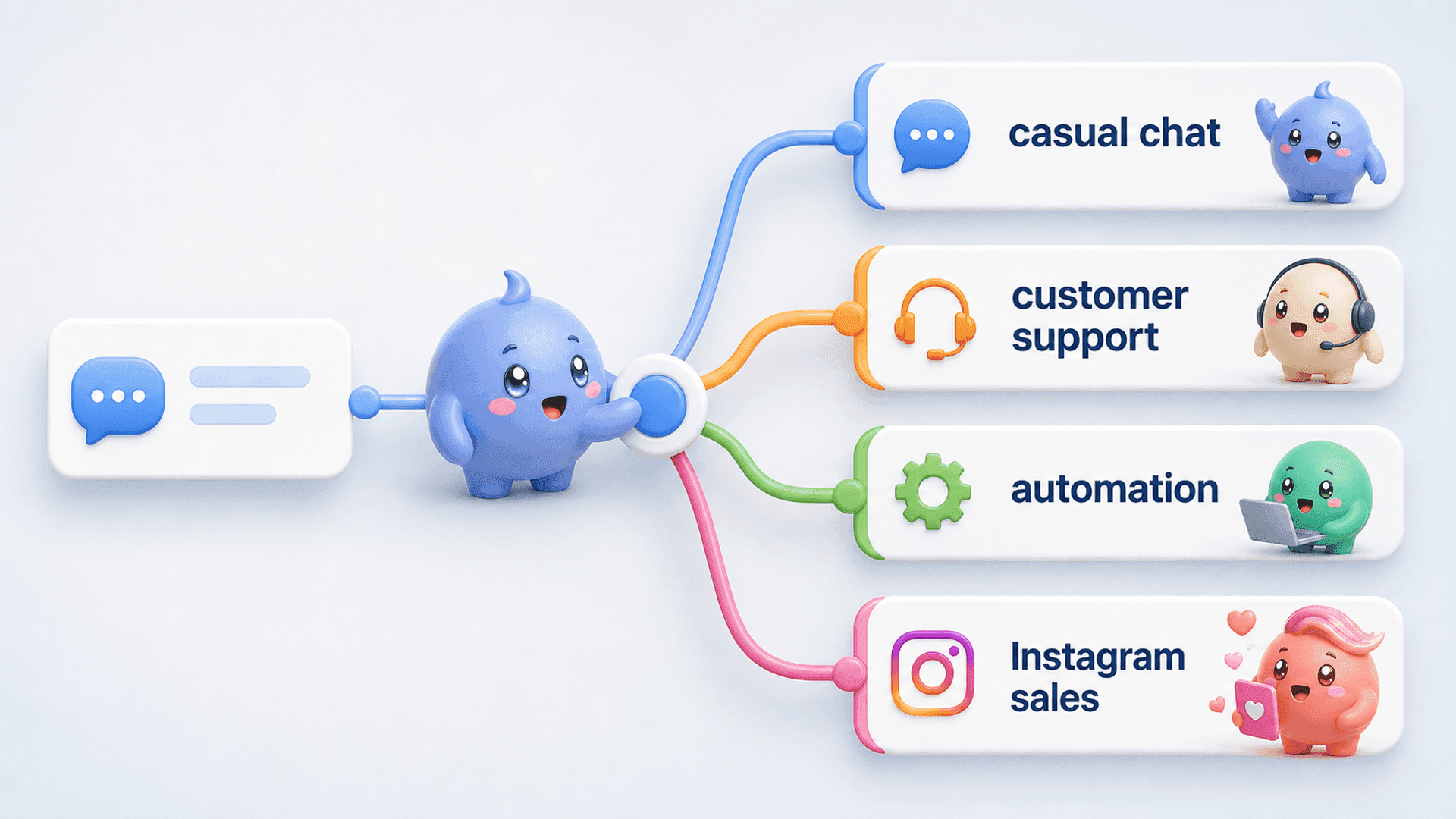
Automate the repeatable opening. Keep judgment, qualification and sensitive questions human. Once the conversation becomes specific, the person replying needs the full context and a clear next step.
If automated campaigns are creating conversations that later get buried, start a 7-day free trial of Mochi to organize qualified leads, follow-ups and calendar-link stages in one Instagram DM sales system.
What happens after the ManyChat flow?
The biggest gap is often not the automation itself. It is the work that begins once people reply.
Instagram puts the newest message at the top. That means a fresh emoji or compliment can sit above a person who already answered the qualifying questions and asked to book. When the team works from top to bottom, it can stay busy all day while valuable conversations wait.
A practical manual system can reduce that problem:
- Assign one owner to each active sales conversation.
- Mark qualified people separately from new replies.
- Keep a clear list of promised follow-ups and their dates.
- Record when a calendar link was sent and whether the person booked.
- Review which content and opening messages create qualified conversations, not only clicks or replies.
This works at a small volume. As the inbox grows, however, unread messages, notes and spreadsheets become harder to trust.
Where Mochi fits
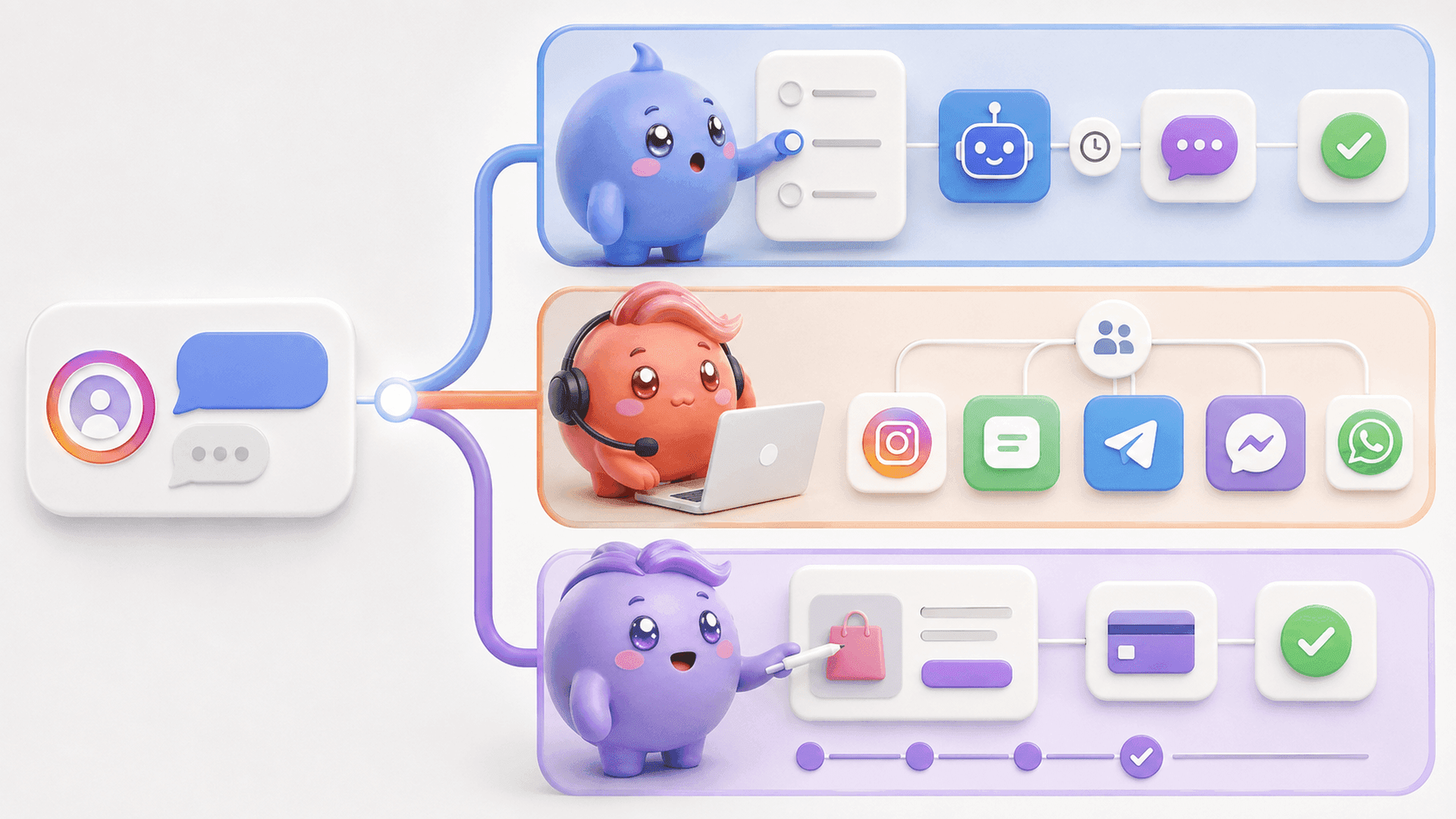
ManyChat can continue handling flows the business already uses. Mochi becomes the system around and after those conversations: the team can organize leads by stage and owner, filter for qualified people or follow-ups, schedule a follow-up that can be skipped if the person replies first, and track what happens after a calendar link is sent.
Conversation Summaries help the next person see important details without scrolling through the full history. The DM Sales Pipeline shows where conversations stop moving across the business. Content Attribution connects the source to new conversations, qualified leads, booked calls and customers, so a popular post is not automatically mistaken for a profitable one.
The distinction is simple: starting more conversations is useful, but the business still needs a system for moving the right conversations forward. Measure the complete path from trigger to reply, qualification, booking and sale. That is how you find whether a campaign needs a better opening, a better handoff or more consistent follow-up.
To see what happens after your automated messages start a conversation, try Mochi free for 7 days. Connect Instagram, invite your team if you have one and manage the real leads already entering your inbox.